- Encrypted paymentSecure, encrypted checkout
- Tracked worldwideFree on 3+ bottle bundles
- 30-day guaranteeMoney-back if it is not for you
- Clear labellingCoverage and results stated honestly
Stock up & save
Choose your RustGuard™ bundle
Prices in USD. Free tracked shipping on 3-bottle bundles and above.
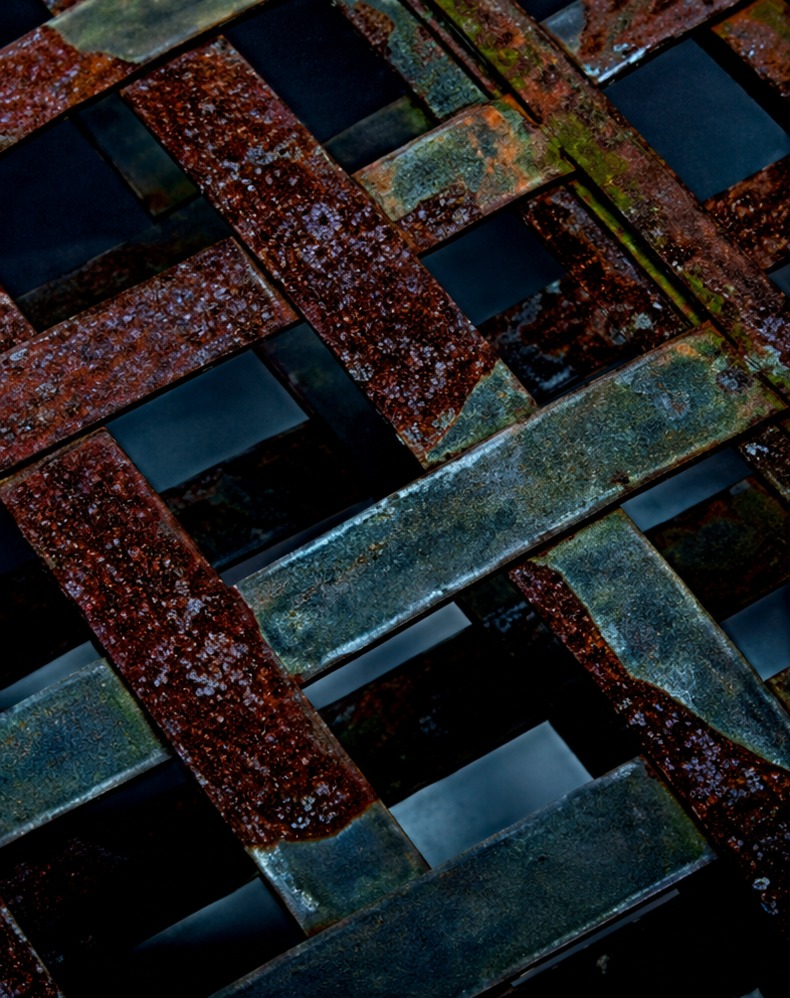
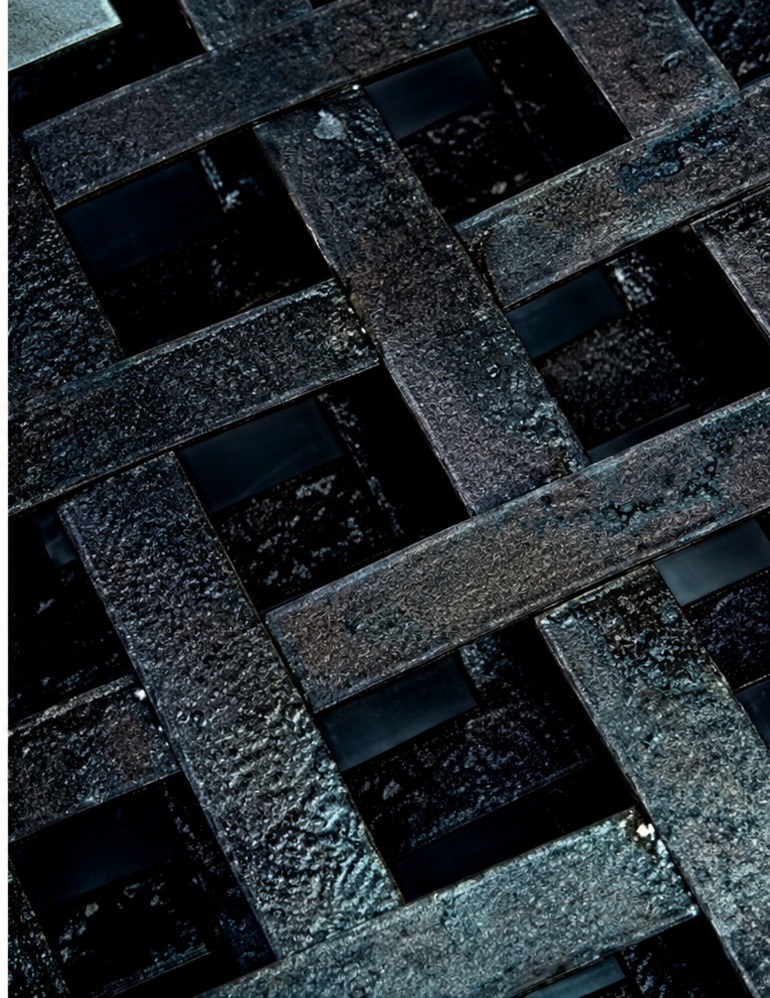
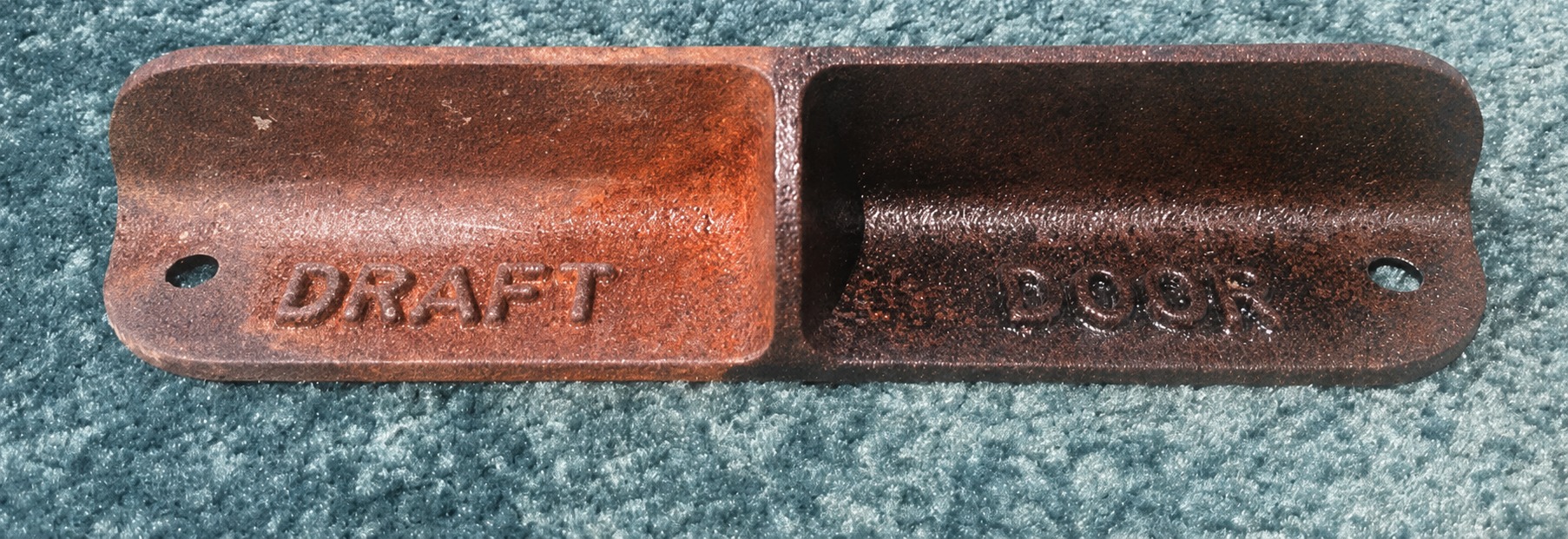
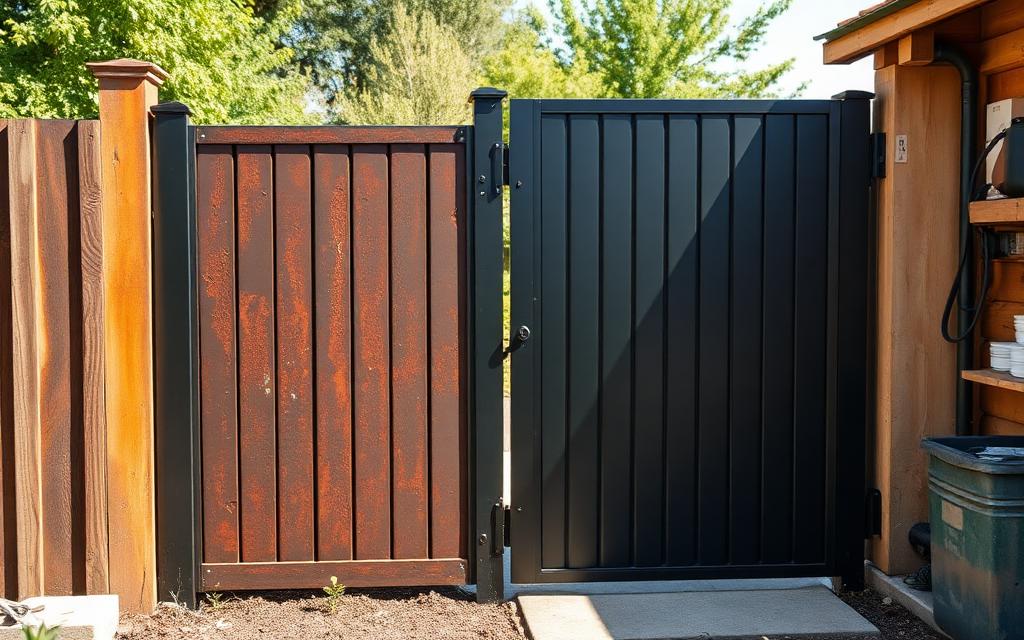
Rusted metal in, paint-ready surface out
Brush RustGuard™ over sound rust, let it cure, then paint. Images are illustrative — results depend on surface condition and preparation.
The point of this article
Industrial maintenance teams stopped grinding rust back to bare metal decades ago, because on large, awkward, in-service steel it is slow, expensive and incomplete. What they do instead is stabilise firmly attached rust chemically and put a maintained coating over it. That approach transfers directly to a car underside, a farm gate or a shed roof.
- Full removal is the ideal and almost never the practical choice
- Stabilise-and-coat is the standard maintenance approach on in-service steel
- Prep quality, not product price, decides how long a repair lasts
- The water source matters more than the coating you choose
The problem with waiting
Rust is not a stain, it is a process, and it accelerates. The porous oxide layer holds moisture against the steel, so each damp night does more damage than the last. It also expands, which is what lifts the paint and lets water reach fresh metal at the edges.
That is why a patch which looked cosmetic in autumn can be through the panel by spring. The visible spot is the late symptom, not the start of the story.
The good news is that the intervention is small if you catch it while there is still metal. Stabilising rust on a solid panel is an afternoon with a wire brush and a bottle. Replacing a perforated panel is a fabrication job.
Where to look, twice a year
- Wheel arch lips and sills on any vehicle over five years old
- Trailer welds, drawbars and spring hangers after a wet season
- The bottom third of gates, railings and fence posts
- Metal roof fixings, sheet laps and gutter seams
- Anything stored on a concrete floor, which wicks moisture upward
- Under washers, brackets and anywhere two pieces of steel meet
The afternoon fix
- 01
Probe before you plan
Press firmly with a blunt screwdriver. If it holds, this is a coating job. If it gives, it is a welding job — knowing which saves you buying the wrong thing.
- 02
Take off what is loose
Scraper and wire brush. You are not chasing shiny steel, only a surface where nothing lifts.
- 03
Degrease and dry
The step everyone skips and the reason most repairs fail. Wash, rinse, dry properly.
- 04
Convert the rust
Brush on a thin coat and let the chemistry stabilise the oxide. Second coat on deep pitting.
- 05
Cure, then topcoat
24 hours, then paint. The converted film is your primer, so it goes straight to colour.
- 06
Fix what caused it
Clear the blocked drain, reseal the seam, get the item off the damp floor. Otherwise you will repeat this next year.
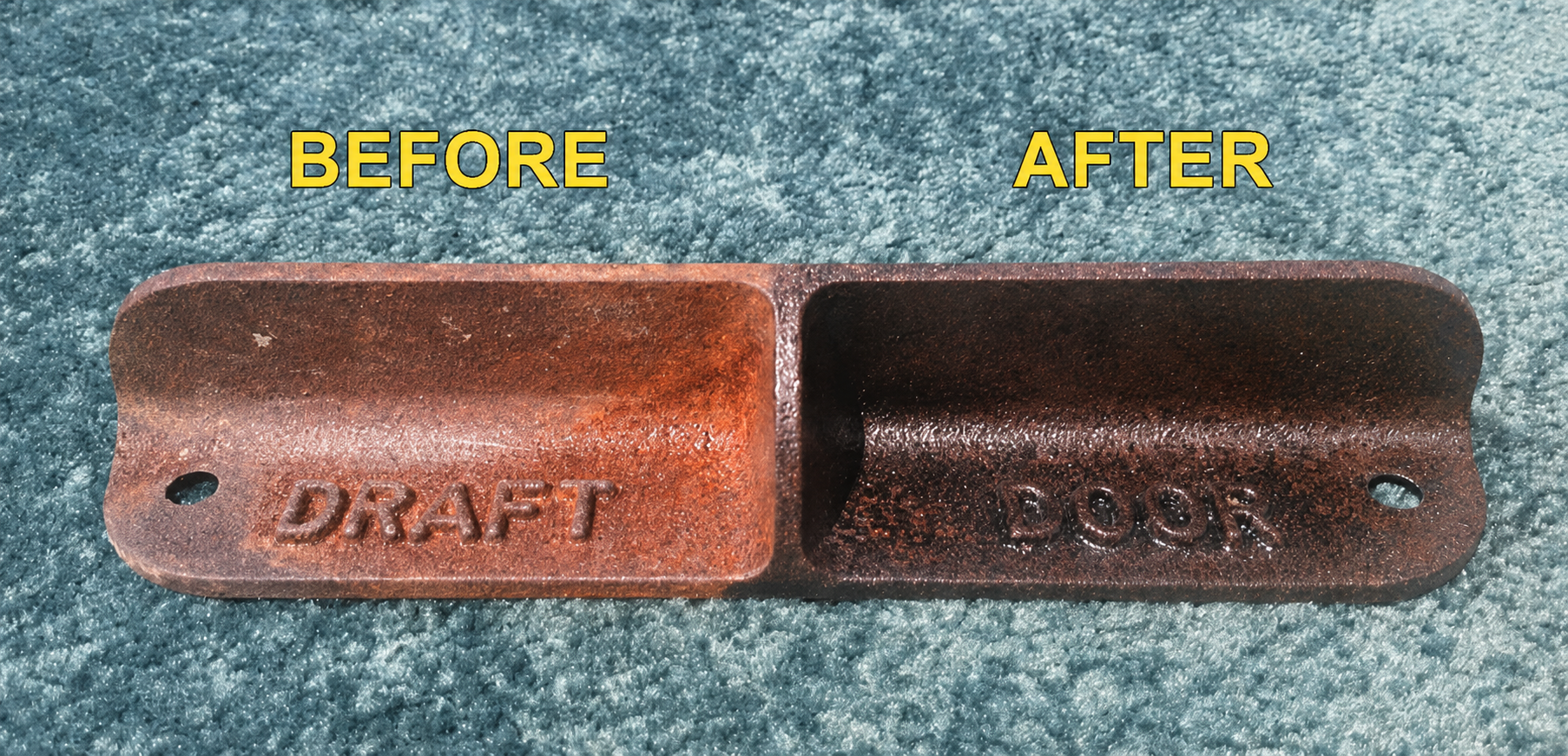
Why conversion suits real jobs
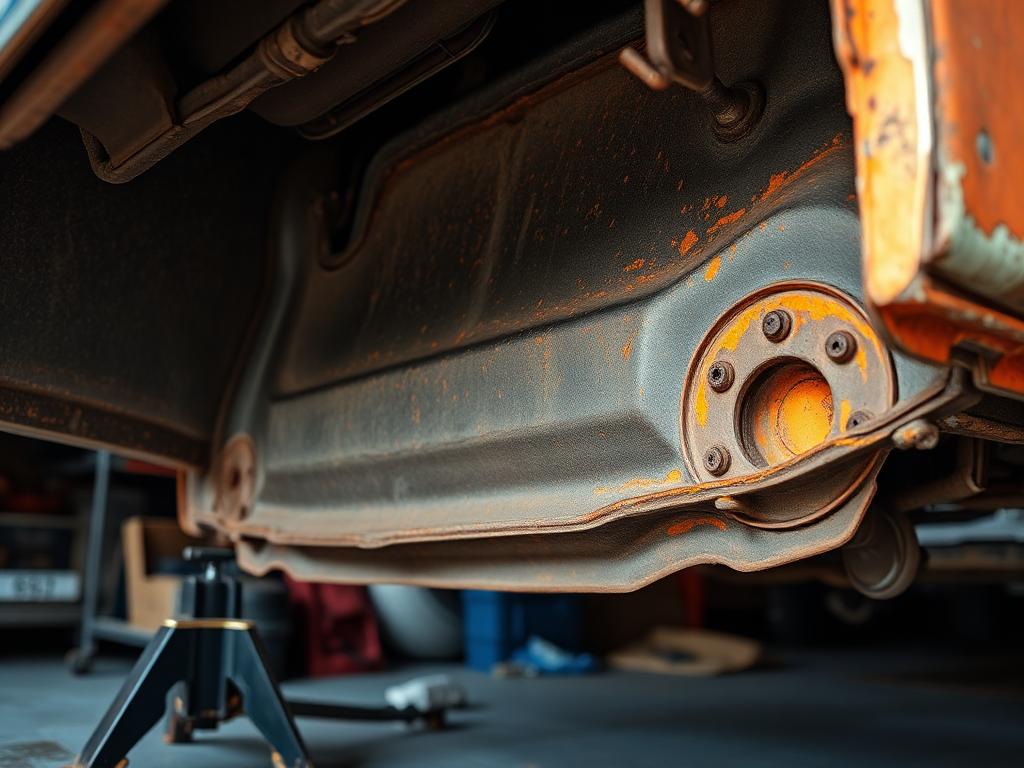
Blasting back to bare metal produces the best possible substrate, and for a small removable part it is worth doing. For a chassis, a roof, a gate or the underside of a car, it is not a realistic weekend plan — which is why those jobs so often get painted over instead, and fail.
A converter meets the job where it is: rusted metal, bolted into something, that needs to be stable and painted. Brush it on, wait a day, paint it. The result is not a concours restoration, but it stops the process, and stopping the process is the entire point.
Buy the quantity that matches the area before you start. Running out mid-panel is the one avoidable frustration in an otherwise simple job.
Size up your job
Area
100 sq ft
Bottles needed
3
Recommended bundle
×3 — $42
Based on up to 55 sq ft per bottle on smooth steel, adjusted for surface condition. Estimates only — measure generously.
The assumption worth questioning
Almost everyone begins a rust job believing the goal is bare metal. It is an appealing idea: remove all the rust, prime the clean steel, paint it, done. On a small, accessible, removable part that is genuinely the best route and always will be.
The trouble is that most rust is not on small, accessible, removable parts. It is inside a wheel arch lip, along a chassis seam, on the top face of a crossmember, at the lap of a roof sheet, in the corner of a gate joint. Abrasives cannot reach into those places, which means 'remove all the rust' quietly becomes 'remove the rust I can see' — and the corrosion continues in the parts you could not get to.
That gap between the ideal and the achievable is exactly the problem industrial maintenance faced at scale, on bridges, tanks, plant structures and ships. Their answer was not to try harder with grinders. It was to change the objective from removal to stabilisation.
Removal versus stabilisation, honestly compared
| Factor | Grind to bare metal | Stabilise and coat |
|---|---|---|
| Reaches into seams and pitting | No | Yes |
| Time on a 120 sq ft frame | 8–12 hours | 2–3 hours over two days |
| Equipment | Grinder, discs, extraction, PPE | Brush, scraper, gloves, eye protection |
| Dust and mess | Heavy | Minimal |
| Flash rust risk before priming | High — hours | None; film forms as it dries |
| Best finish achievable | Show standard | Sound, textured, protected |
| Fixes perforation | No | No |
| Right choice for | Small removable parts, panels being filled | In-service structures, undersides, roofs, frames |
What actually happens chemically
A converter's acid component reacts with the iron oxide it is applied to, producing a stable iron complex instead of the loose, moisture-holding oxide that was there before. The polymer component films over the result, sealing the surface and giving paint something coherent to bond to.
The visible colour change from orange to blue-black is the reaction reporting on itself. It is not the whole story — the film needs a full day to cure to hardness — but it is a genuinely useful signal, and it is why patches that stay orange tell you something specific: either grease was present or there was no rust there to react with.
Because the mechanism is a reaction with existing oxide, it explains both the strengths and the limits. It works down inside pitting an abrasive can never reach, which is the whole advantage. And it does absolutely nothing on aluminium, stainless or bare steel, because there is no iron oxide to convert.
The approach applied to an ordinary job
- 01
Grade the corrosion
Blunt screwdriver, moderate pressure. Dents and holds is chemistry; punches through is welding.
- 02
Find the water
Blocked drain, failed seal, trapped dirt, standing puddle. Fix it or you will be back.
- 03
Remove only what is loose
Firmly attached rust is the substrate the product needs. Loose flakes are what makes paint fail.
- 04
Degrease and prove it
Splash test — water sheets on clean steel and beads on contaminated steel.
- 05
Two thin coats
Three to four hours apart, worked into the pitting rather than floated over it.
- 06
Cure a full day
24 hours at 68°F, longer in cold or humid conditions. No tack before paint.
- 07
Coat it and maintain it
Two thin topcoats, then touch up chips as they appear. The coating is the weather barrier.
Where DIY jobs go wrong
Three failures account for nearly everything. Loose rust left in place, so the coating is bonded to flakes. Grease not removed, so parts of the area never react. And topcoat applied before the film has cured, which traps moisture and produces blisters within weeks.
None of the three is about which product was bought. They are all prep and patience, which is why two people can use the same bottle on the same kind of job and get results five years apart in durability. Prep is genuinely 80 per cent of the outcome.
The fourth, subtler failure is treating the metal and ignoring the water. A repair that fails in exactly the same place is not telling you the product failed; it is telling you the drain is still blocked.
When full removal is still the right call
- Small parts you can take off and work on a bench
- Panels you intend to fill, block-sand and finish to paint standard
- Any surface where a coating specification demands bare metal
- Restoration work where the goal is originality rather than service life
- Areas where the rust is so light that a quick sand is faster than a chemical process
Sizing up your own job
Area
100 sq ft
Bottles needed
3
Recommended bundle
×3 — $42
Based on up to 55 sq ft per bottle on smooth steel, adjusted for surface condition. Estimates only — measure generously.
The honest boundaries of this approach
- It does not repair perforation — that is welding, always
- It does not produce a show-standard flat panel without filler work
- It does nothing on aluminium, stainless, copper or bright galvanising
- It is not a substitute for fixing the leak or drain that caused the corrosion
- It is not for immersion service or surfaces above roughly 400°F
- It fails as reliably as anything else if the prep is rushed
What buyers say
Rated by people who hate sanding
Saved my truck bed
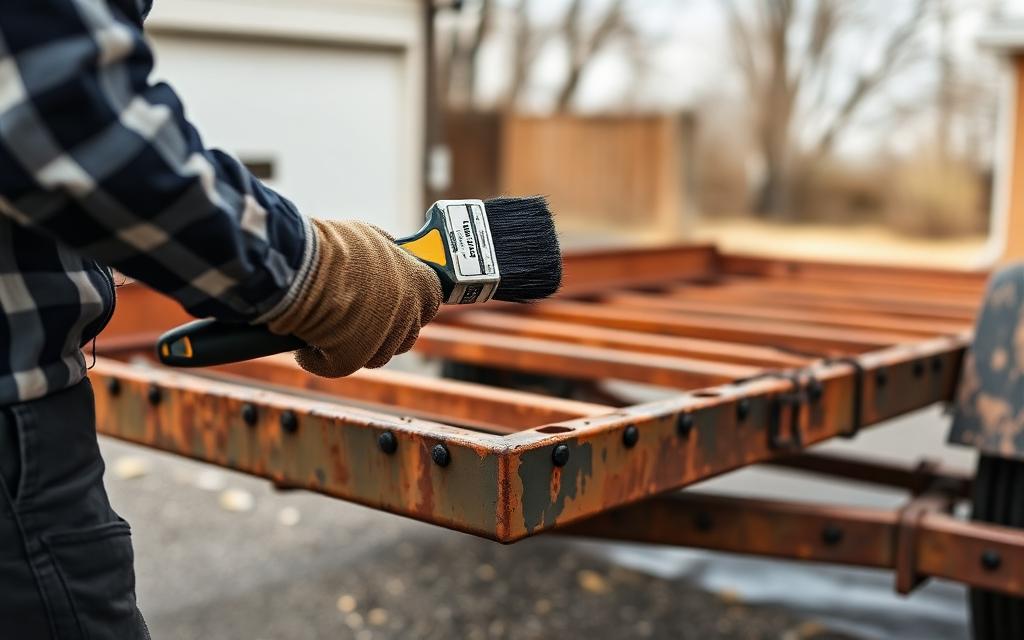
Wire-brushed the loose scale, brushed a coat on and left it overnight. Next morning it was a flat black surface that took primer without fighting me.
Dale R. · Tucson, AZ
No more grinding for hours
I restore gates and railings. This cut my prep time in half on pitted sections where the grinder just polishes the rust around.
Marcus H. · Leeds, UK
Held up through the wet season
Treated the shed roof sheets and topcoated them. Two seasons of rain later the treated panels still look the way I left them.
Janine K. · Brisbane, AU
Trailer frame looks new
Frame rails were surface-rusted everywhere. Two bottles covered the whole thing with enough left over for the tongue and jack.
Tom V. · Hamilton, ON
Simple to use
Shake, brush, wait. No mixing, no strong acid smell like the jelly products I used before.
Ricardo M. · Houston, TX
Bought the 5-pack, no regrets
Fence posts, patio furniture and a mower deck off one bundle. Ordering the workshop pack was cheaper than buying singles twice.
Ellen S. · Portland, OR
Reviews shown are illustrative sample copy while we collect verified customer feedback.
Buy with confidence
Nothing to lose but the rust
Worldwide shipping
Tracked delivery to the US, UK, Canada, Australia, EU and more. Free on 3-bottle bundles and above.
Encrypted payment
Card details are captured on a secure, encrypted checkout page. We never see or store your card number.
30-day guarantee
If RustGuard™ is not right for your project, contact support within 30 days for a refund of the product price.
No grinder needed
Brush-on chemistry designed for pitted, hard-to-reach rust where abrasives cannot get a bite.
Secure checkout
Order your RustGuard™ bundle
Pick a bundle, tap checkout — that's it. No account, no forms to fight. Your delivery address and payment are collected on the secure checkout page.
Step 1 — Choose your bundle
One bottle covers about 55 sq ft. Treating a whole vehicle, trailer or roof section? Most people need 3 or more.
Free tracked shipping unlocked
Most projects use more than they expect — the ×8 pack drops you to $9.00/bottle (you pay $11.00 now).
Step 2 — Checkout securely
Apple Pay, Google Pay and all major cards are accepted on the secure Shopify checkout — address, payment and confirmation, all in one place.
- 1Tap checkoutYour bundle is reserved in a secure cart.
- 2Pay your wayCard, Apple Pay or Google Pay — under a minute.
- 3Tracked dispatchConfirmation email instantly, packed in 1 business day.
“Ordered the 5-pack, treated the whole trailer frame and still had a bottle spare.”
Tom V. · Hamilton, ON
“Arrived tracked in five days and the brush kit saved me a trip to the store.”
Dale R. · Tucson, AZ
Reviews are illustrative while verified feedback is collected.
Frequently asked questions
How do I know if it is too late?
Probe the metal. If a blunt screwdriver goes through or the panel flexes softly, that section needs replacing.
Is it worth treating a very old vehicle?
If the structure is sound, yes — arresting the spread on solid panels buys years for very little money.
How often should I check?
Twice a year, and after any winter with road salt.
What is the single most important step?
Degreasing. No coating bonds through oil, and it takes ten minutes.
Is it better to remove rust or convert it?
Remove it on small, accessible parts and on panels you will fill and finish. Convert it on in-service steel — undersides, frames, roofs, gates — where abrasives cannot reach into seams and pitting.
Why do industrial maintenance teams not grind everything back?
On large in-service structures it is slow, expensive, incomplete in seams, and leaves bare steel that flash-rusts before it can be primed. Stabilising firmly attached rust and maintaining a coating is more durable in practice.
What makes a rust repair last?
Prep quality and fixing the water source. Remove everything loose, degrease properly, let the film cure fully, and unblock whatever was letting water sit there.
How long does the stabilise-and-coat approach last?
As long as the topcoat is maintained. The film is the barrier's foundation; the paint is the weather barrier, and chips need touching up.
Can I use this approach on a structural repair?
No. Corrosion that has consumed the metal, or any structural mounting point that has gone soft, needs cutting out and welding.
Does this work on a car that has to pass an inspection?
It stabilises sound but corroded steel. Perforation within a structural area fails an inspection regardless of what is coated over it.
Keep reading
- How to stop rust from spreadingRust spreads because it holds moisture. Break the cycle with the right prep, a converter and a topcoat — plus the maintenance that stops it restarting.
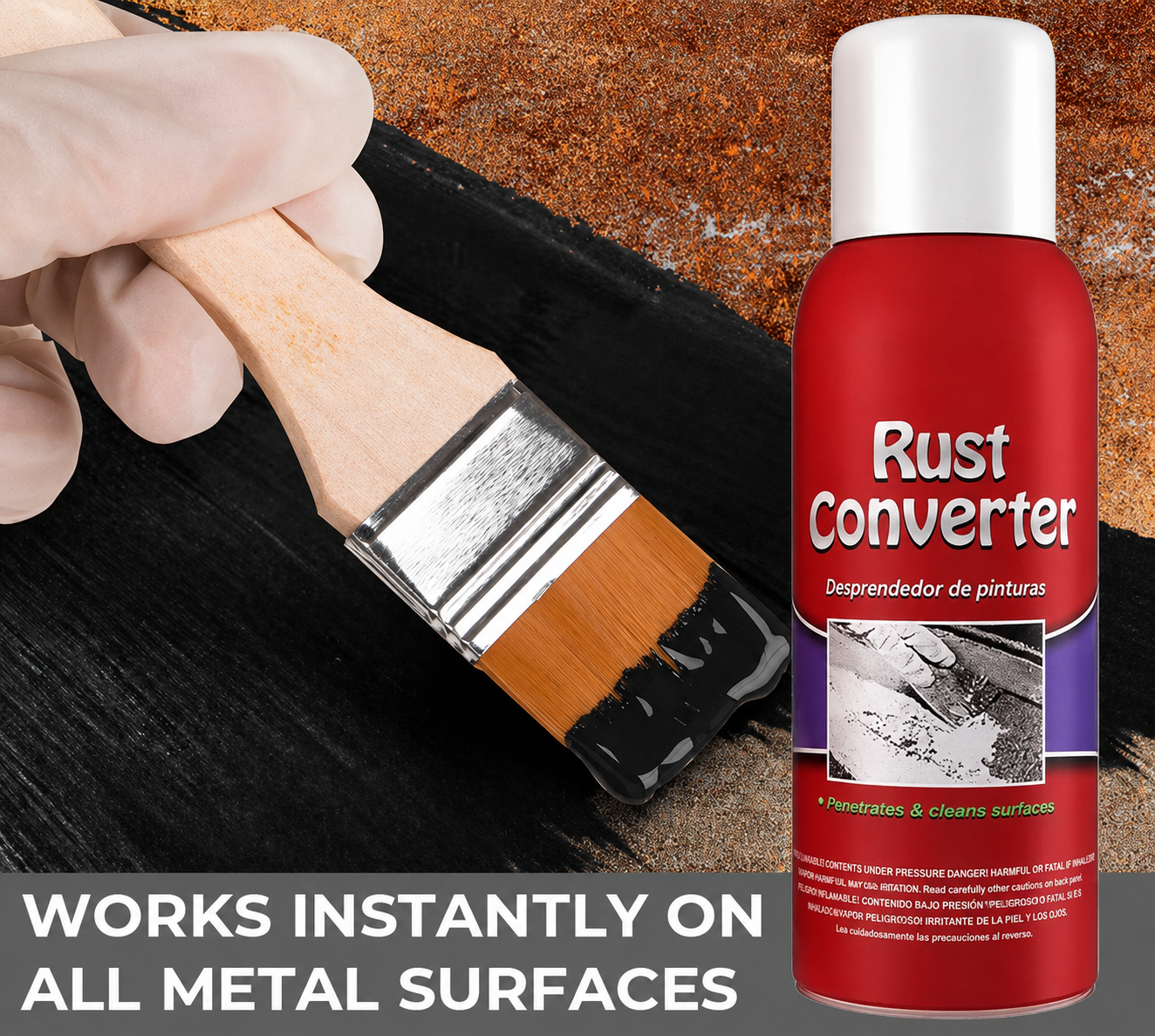
- Rust converter for iron and steel that leaves a paint-ready surfaceBrush RustGuard™ onto rusted iron or steel, convert the corrosion and topcoat in 24 hours. Bundles from $24, free shipping on 3+.
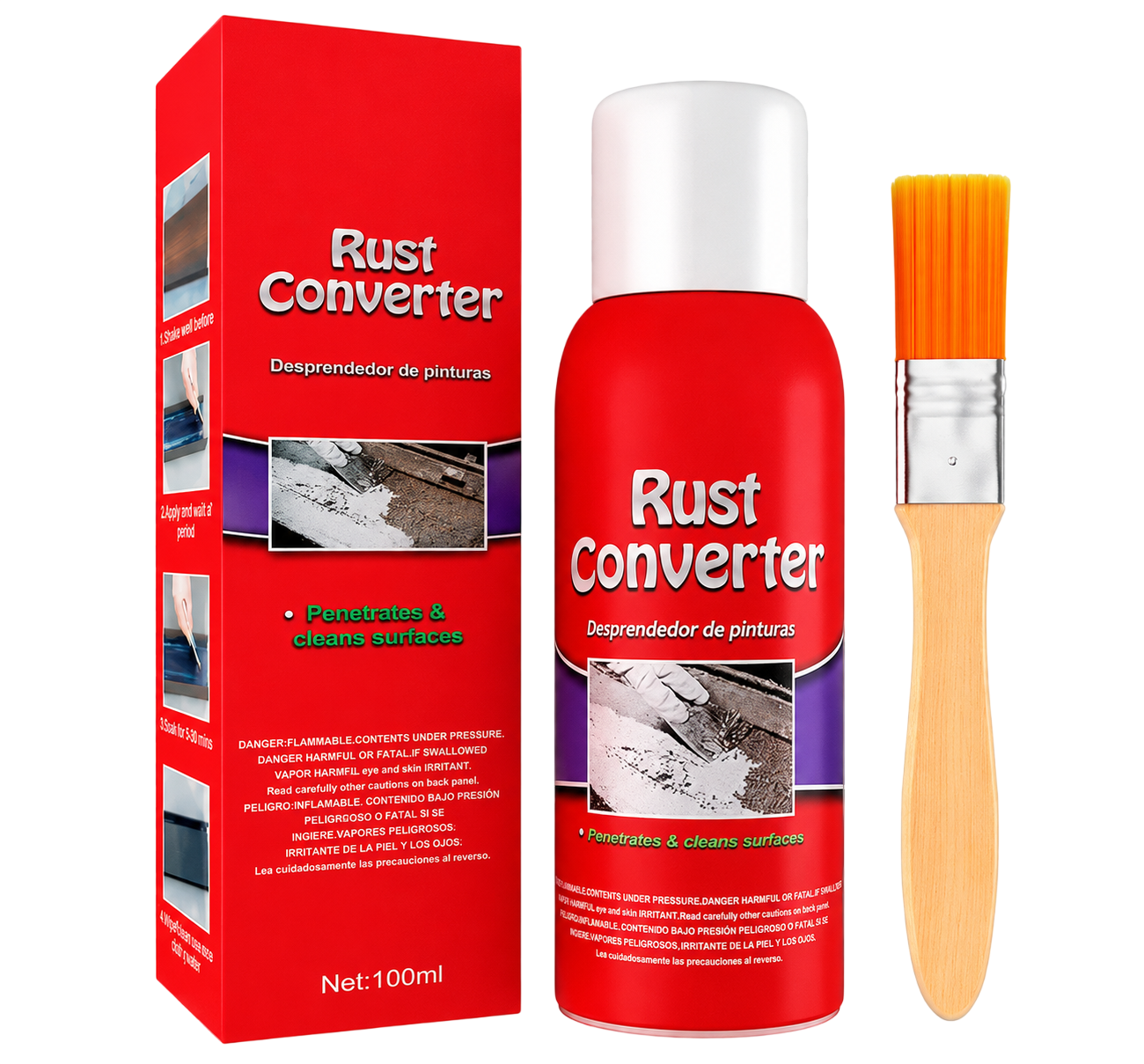
- Rust prevention guideA practical prevention programme for vehicles, tools and outdoor steel — coatings, drainage, storage, salt management and an inspection schedule.
- How to use rust converter, step by stepThe full method for applying a rust converter: preparation, degreasing, coats, cure time and topcoating. Written for RustGuard™ but valid for any converter.
- Rust converter for carsTreat surface rust on car sills, wheel arches, floor pans and subframes with RustGuard™ — convert, prime and repaint without blasting.
Last step
Ready to stop the rust?
Ships from our US fulfilment partner, typically 3–7 business days. 30-day money-back guarantee.