- Encrypted paymentSecure, encrypted checkout
- Tracked worldwideFree on 3+ bottle bundles
- 30-day guaranteeMoney-back if it is not for you
- Clear labellingCoverage and results stated honestly
Stock up & save
Choose your RustGuard™ bundle
Prices in USD. Free tracked shipping on 3-bottle bundles and above.
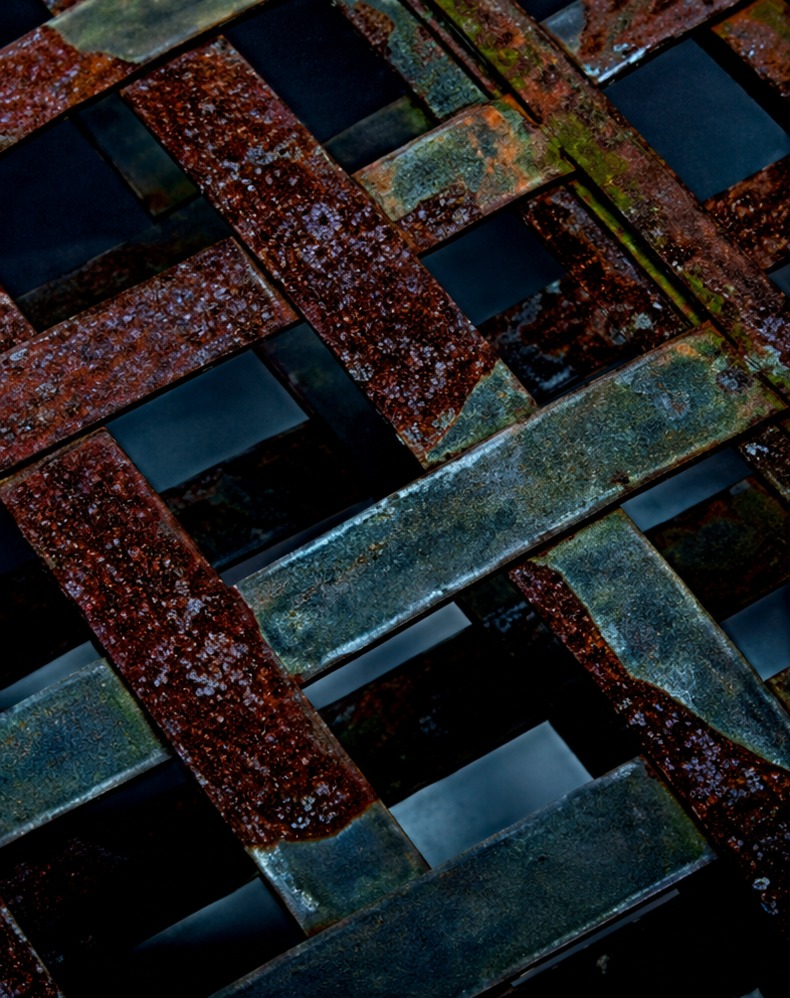
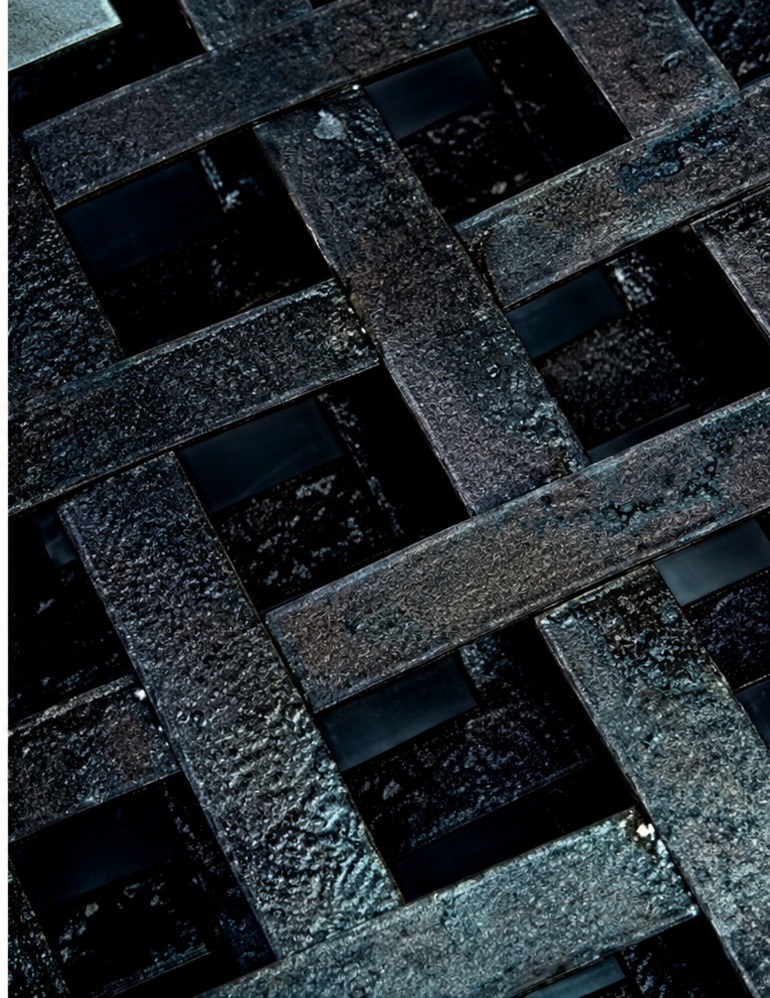
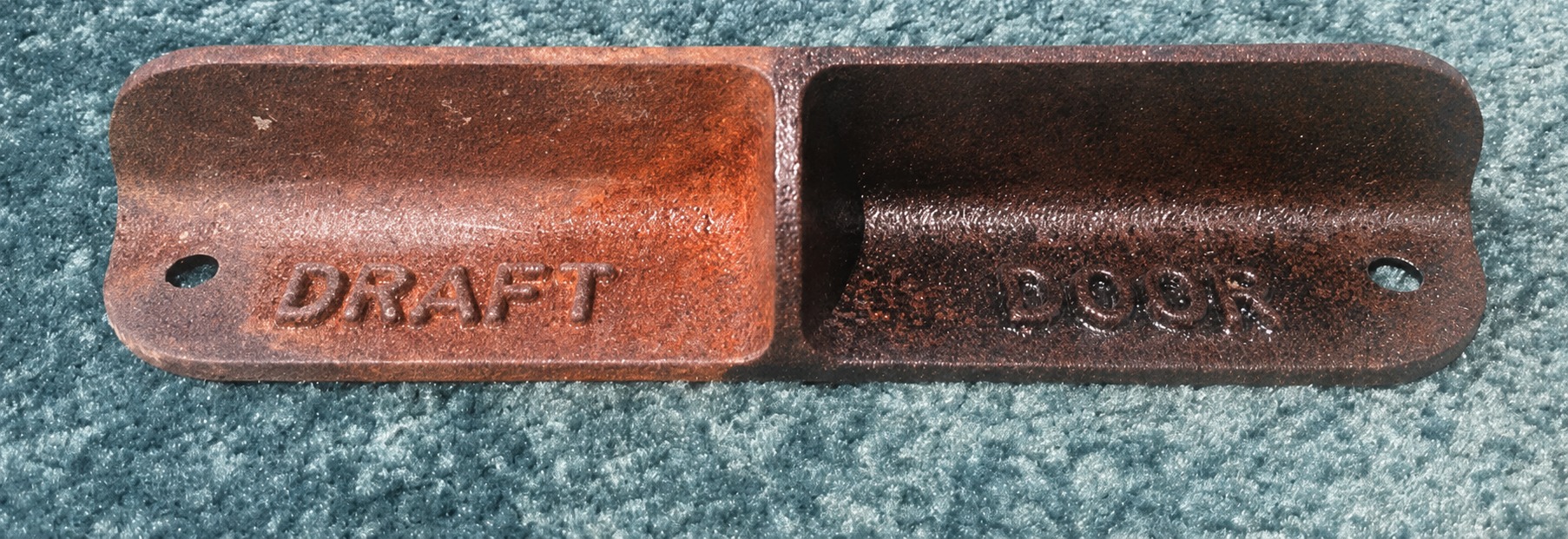
Rusted metal in, paint-ready surface out
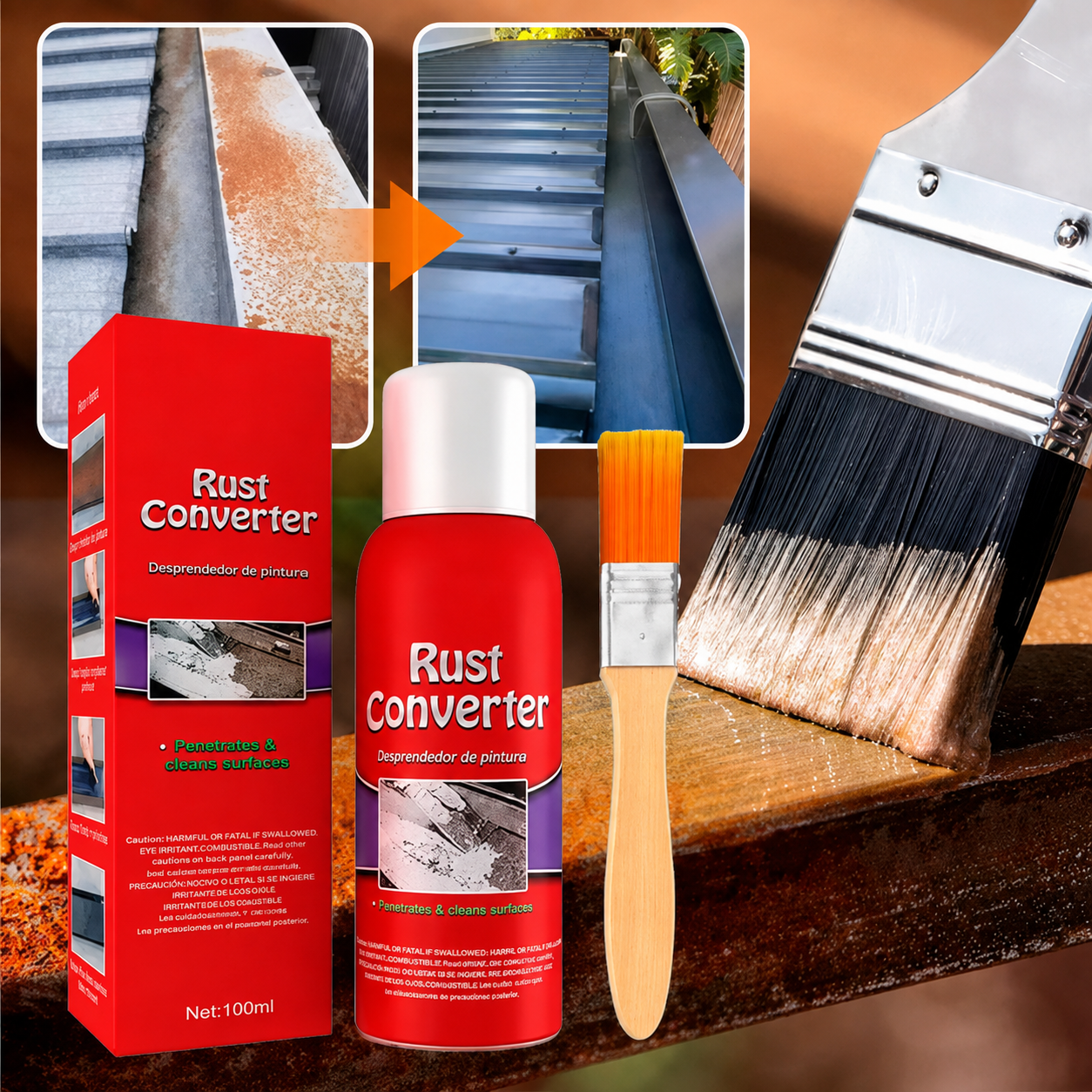
Brush RustGuard™ over sound rust, let it cure, then paint. Images are illustrative — results depend on surface condition and preparation.
The short answer
Rust needs iron, oxygen and water together. You cannot remove the first two, so every effective prevention strategy is about water: keep it off, let it drain, let it evaporate, and remove the salt that makes it aggressive. A coating is the last line of defence, not the first — drainage, ventilation and drying habits do more.
- Fix water paths first: drains, seals, gutters, standing water, trapped dirt
- Ventilate and dry storage beats any coating for tools and machinery
- Rinse salt off vehicles, trailers and coastal metalwork
- Inspect twice a year and touch up chips immediately
The fundamentals
Rust needs iron, oxygen and water. You can only remove one of them.
- Keep a continuous coating — paint, galvanising, oil or wax — over every steel surface
- Make sure water can drain and air can circulate; trapped damp is worse than rain
- Rinse salt off promptly in winter and in coastal areas
- Store tools and equipment dry, off concrete floors, ideally with a dehumidifier
- Repair chips and scratches the week you notice them
- Inspect twice a year and after any impact damage
Prevention by item
| Item | Key measures |
|---|---|
| Cars and vans | Wash underside in winter, clear drain holes, cavity wax, touch up chips |
| Trailers and towing gear | Rinse after wet or salted use, treat welds early, annual topcoat check |
| Garden tools | Clean and dry after use, oil or wax the metal, store off the floor |
| Gates and railings | Repaint before gloss dulls, seal post bases, keep vegetation off |
| Metal roofs and gutters | Clear debris, check fixings and laps annually, recoat on schedule |
| Workshop machinery | Wax machined surfaces, control humidity, cover when idle |
An annual routine that actually gets done
- 01
Spring: inspect and wash
Wash off winter salt, then walk everything with a torch. Note chips, lifting edges and blocked drains.
- 02
Spring: treat what you found
Convert and topcoat the small patches while they are small. This is the whole trick.
- 03
Summer: recoat and reseal
Dry warm weather is the window for gates, roofs and trailer topcoats.
- 04
Autumn: protect and store
Wax or oil bare surfaces, cavity wax vehicles, get tools and equipment under cover before the damp.
- 05
Winter: rinse and monitor
Rinse salt off after each exposure and keep an eye on the areas you treated.
Planning a treatment round?
Area
100 sq ft
Bottles needed
3
Recommended bundle
×3 — $42
Based on up to 55 sq ft per bottle on smooth steel, adjusted for surface condition. Estimates only — measure generously.
The fundamentals, in priority order
In our experience the order matters as much as the list — people usually start at the bottom.
- Remove standing water: unblock drain holes, clear gutters, slope surfaces away
- Eliminate traps: clear dirt from joints, lift equipment off wet ground, keep planting back from ironwork
- Control humidity in storage: ventilation, gentle heat, or desiccant in enclosed spaces
- Rinse off salt after winter roads or coastal exposure
- Maintain the coating: touch up chips, repaint before the film fails
- Protect bare working surfaces with oil or wax where paint is not appropriate
Prevention by item
| Item | Main risk | What actually works |
|---|---|---|
| Car underside | Road salt, blocked drains | Winter rinses, clear drains, cavity wax, maintained underseal |
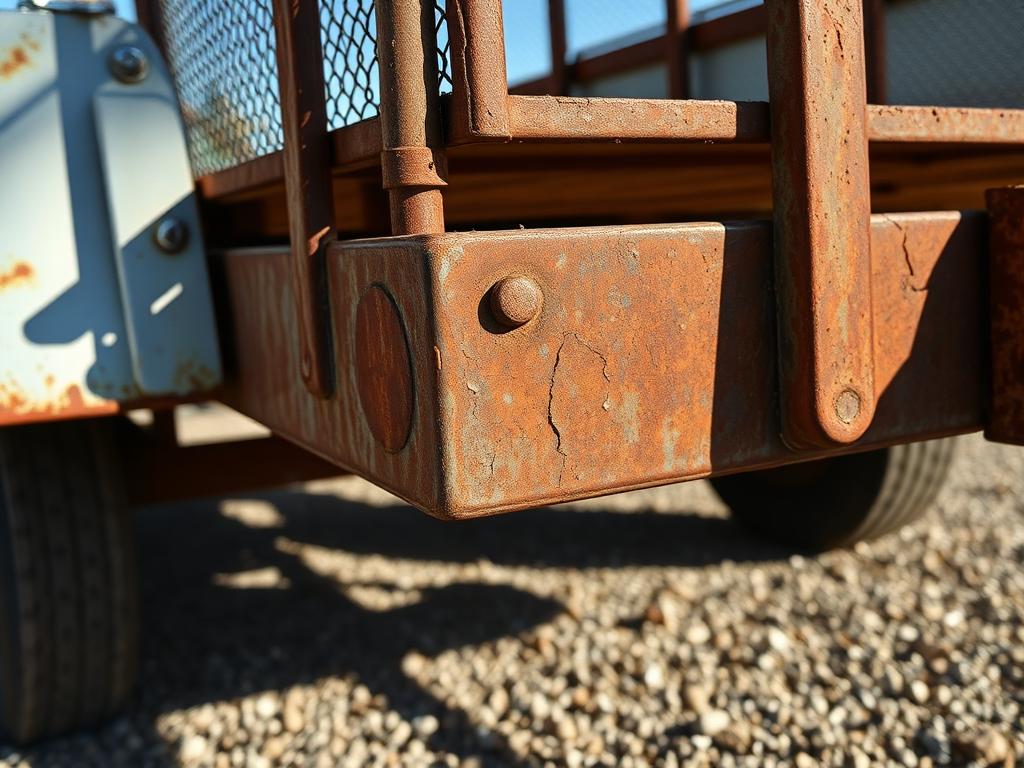
| Trailer | Salt in the rails, deck sandwich | Wash through the rails, clear drains, seal the deck fixings |
| Gates and railings | Ground splash, capillary joints | Seal base joints, keep planting back, maintain the topcoat |
| Metal roofing | Lap capillary draw, standing debris | Clear valleys and gutters, reseal laps, treat lap edges |
| Farm equipment | Fertiliser, manure, outdoor storage | Rinse after use, store under cover, treat before winter |
| Workshop tools | Condensation cycles | Ventilate, add heat or desiccant, oil bare metal |
| Garden tools | Put away wet | Dry before storage, oil the heads, rack rather than pile |
| Barbecue | Grease plus rain | Clean, cover breathably, store dry over winter |
Why storage beats coatings
A tool in a heated, ventilated space will not rust even bare. The same tool in an unheated shed will rust through a coat of paint at any chip, because the shed cycles through the dew point twice a day, condensing moisture on every cold metal surface at dawn and evaporating it by afternoon.
That cycling is the mechanism behind almost all storage corrosion, and it explains why 'it was dry when I put it away' is not enough. The metal does not need to be wet when it goes away; it only needs to be colder than the air at some point.
The fixes are cheap. Airflow, so damp air is replaced rather than recycled. A little gentle heat, so metal stays above the dew point — a low-wattage tube heater costs pennies a day. Desiccant in enclosed boxes. Keeping steel off concrete floors, which wick moisture continuously.
An annual routine that actually gets done
- 01
Late autumn: wash and dry everything that lives outdoors
Vehicles, trailers, mowers, garden tools. Salt and organic residue are worse over winter than the winter itself.
- 02
Late autumn: treat the spots you flagged in spring
Small areas of surface rust, one bottle, one afternoon. Doing this before winter rather than after saves the year.
- 03
Winter: rinse after salted roads
A hose down of the underside, wheel arches and trailer rails after each salt event does more than any coating.
- 04
Early spring: inspect everything
Chips, lifted edges, orange staining. Photograph what you find so you can compare next year.
- 05
Spring: touch up chips within the week
Thirty seconds now versus a patch repair in two years.
- 06
Summer: the big job
Warm, dry, long days — the ideal window for a full treat-and-repaint on gates, roofs or a vehicle underside.
Coatings, waxes and oils: which and where
Paint systems suit anything you want to look finished and can maintain: gates, machinery, vehicle exteriors, structural steel. Their weakness is chips — a paint system is only as good as its worst breach, which is why touch-ups matter so much.
Cavity waxes suit enclosed sections you cannot paint properly: car sills, box-section trailer rails, hollow posts. They creep along seams, stay soft, and self-heal minor damage. They are not a substitute for paint on external surfaces because they stay soft and collect dirt.
Oils and paste waxes suit bare working surfaces — machine tables, tool edges, threaded parts. They need renewing, which is fine because those surfaces are handled regularly anyway. The general rule: paint what you look at, wax what is hidden, oil what has to slide or cut.
Planning a treatment round?
Area
100 sq ft
Bottles needed
3
Recommended bundle
×3 — $42
Based on up to 55 sq ft per bottle on smooth steel, adjusted for surface condition. Estimates only — measure generously.
What prevention cannot do
- Reverse existing corrosion — treat that first, then prevent
- Protect metal you never inspect; every system depends on catching chips
- Work on surfaces contaminated with salt that was never rinsed off
- Substitute for drainage: no coating survives standing water indefinitely
- Help aluminium or stainless, which need their own approaches
- Stop galvanic corrosion at dissimilar metal joints — isolate those instead
What buyers say
Rated by people who hate sanding
Saved my truck bed
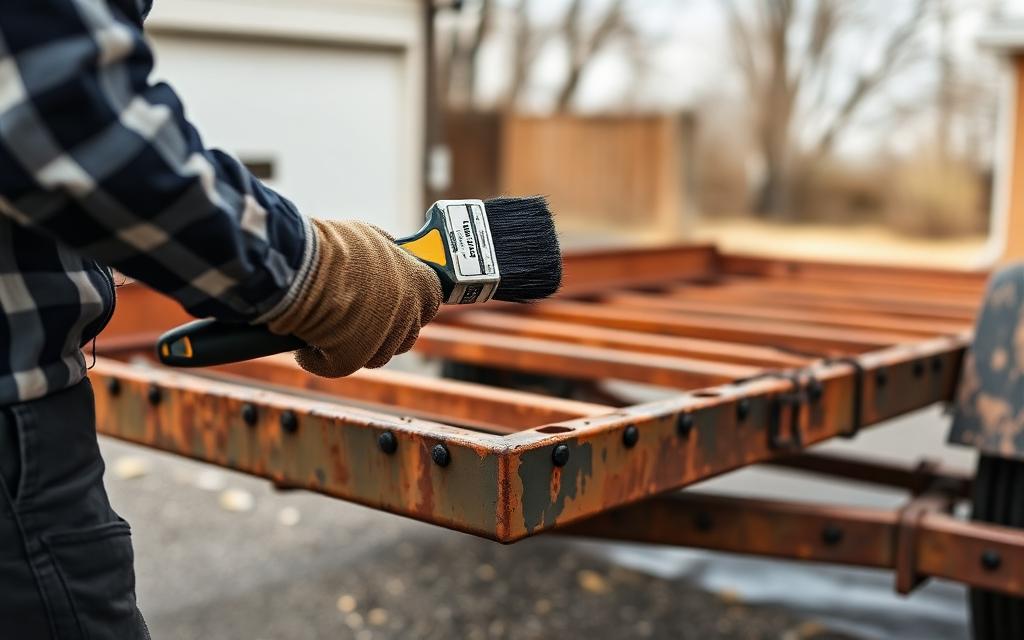
Wire-brushed the loose scale, brushed a coat on and left it overnight. Next morning it was a flat black surface that took primer without fighting me.
Dale R. · Tucson, AZ
No more grinding for hours
I restore gates and railings. This cut my prep time in half on pitted sections where the grinder just polishes the rust around.
Marcus H. · Leeds, UK
Held up through the wet season
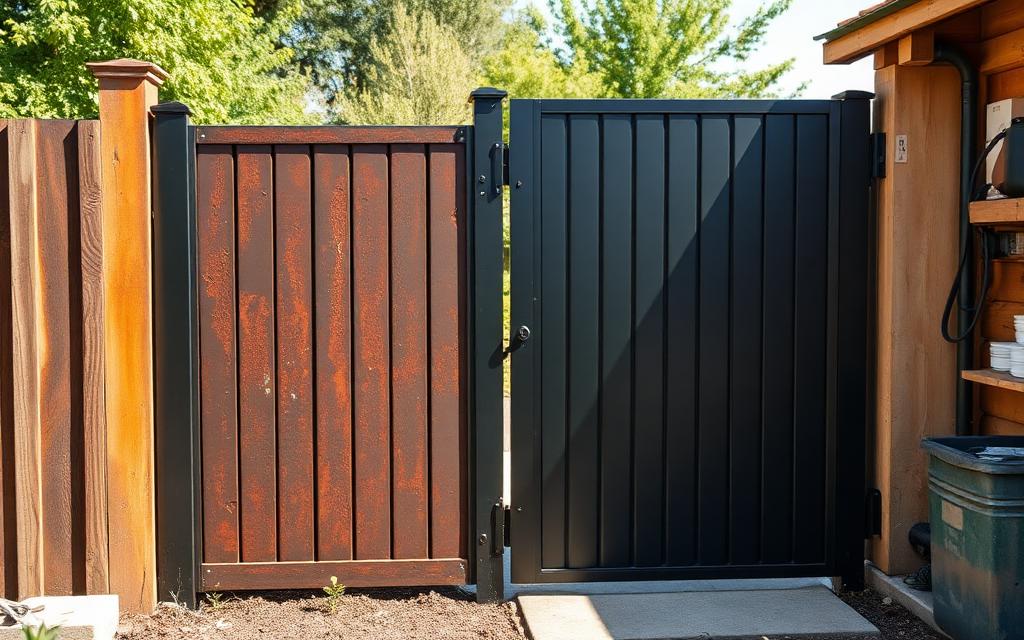
Treated the shed roof sheets and topcoated them. Two seasons of rain later the treated panels still look the way I left them.
Janine K. · Brisbane, AU
Trailer frame looks new
Frame rails were surface-rusted everywhere. Two bottles covered the whole thing with enough left over for the tongue and jack.
Tom V. · Hamilton, ON
Simple to use
Shake, brush, wait. No mixing, no strong acid smell like the jelly products I used before.
Ricardo M. · Houston, TX
Bought the 5-pack, no regrets
Fence posts, patio furniture and a mower deck off one bundle. Ordering the workshop pack was cheaper than buying singles twice.
Ellen S. · Portland, OR
Reviews shown are illustrative sample copy while we collect verified customer feedback.
Buy with confidence
Nothing to lose but the rust
Worldwide shipping
Tracked delivery to the US, UK, Canada, Australia, EU and more. Free on 3-bottle bundles and above.
Encrypted payment
Card details are captured on a secure, encrypted checkout page. We never see or store your card number.
30-day guarantee
If RustGuard™ is not right for your project, contact support within 30 days for a refund of the product price.
No grinder needed
Brush-on chemistry designed for pitted, hard-to-reach rust where abrasives cannot get a bite.
Secure checkout
Order your RustGuard™ bundle
Pick a bundle, tap checkout — that's it. No account, no forms to fight. Your delivery address and payment are collected on the secure checkout page.
Step 1 — Choose your bundle
One bottle covers about 55 sq ft. Treating a whole vehicle, trailer or roof section? Most people need 3 or more.
Free tracked shipping unlocked
Most projects use more than they expect — the ×8 pack drops you to $9.00/bottle (you pay $11.00 now).
Step 2 — Checkout securely
Apple Pay, Google Pay and all major cards are accepted on the secure Shopify checkout — address, payment and confirmation, all in one place.
- 1Tap checkoutYour bundle is reserved in a secure cart.
- 2Pay your wayCard, Apple Pay or Google Pay — under a minute.
- 3Tracked dispatchConfirmation email instantly, packed in 1 business day.
“Ordered the 5-pack, treated the whole trailer frame and still had a bottle spare.”
Tom V. · Hamilton, ON
“Arrived tracked in five days and the brush kit saved me a trip to the store.”
Dale R. · Tucson, AZ
Reviews are illustrative while verified feedback is collected.
Frequently asked questions
Is galvanising better than paint?
It lasts longer unattended, but once the zinc has gone red rust follows quickly. A painted surface you maintain outlasts galvanising you ignore.
Do rust-inhibiting sprays work?
Oils and waxes work well in cavities and on stored items. They are not a substitute for a coating on an exposed surface.
How often should I recoat outdoor steel?
When the finish starts to dull, chalk or chip — typically every few years, sooner in coastal or industrial air.
Does a dehumidifier really help in a garage?
Considerably. Keeping relative humidity below about 60% stops most condensation-driven rusting.
How do I prevent rust long term?
Control water first — drainage, ventilation, drying, salt rinsing — then maintain a coating and touch up chips as soon as they appear. Coatings alone fail if water keeps sitting on the metal.
What is the best rust prevention for a car?
Rinse the underside through winter, keep drain holes clear, apply cavity wax to box sections and repair chips in the underseal before they spread.
Does WD-40 prevent rust?
It displaces water and gives short-term protection on bare metal, but it is not a durable coating. Use a proper oil, wax or paint system for anything longer than a few weeks.
How do I stop tools rusting in a shed?
Ventilate, add gentle heat or desiccant, keep steel off the concrete floor, dry tools before storage and oil bare working surfaces.
Is galvanising worth it?
For new fabrications exposed to weather, yes — the zinc is sacrificial and lasts for years. Once red rust appears, the zinc has gone locally and those areas need treating.
How often should I inspect?
Twice a year for outdoor metalwork, plus after any salt exposure. Five minutes with a torch catches almost everything early.
What is the single most effective habit?
Rinsing salt off, followed closely by drying things before you put them away.
Keep reading
- How to stop rust from spreadingRust spreads because it holds moisture. Break the cycle with the right prep, a converter and a topcoat — plus the maintenance that stops it restarting.
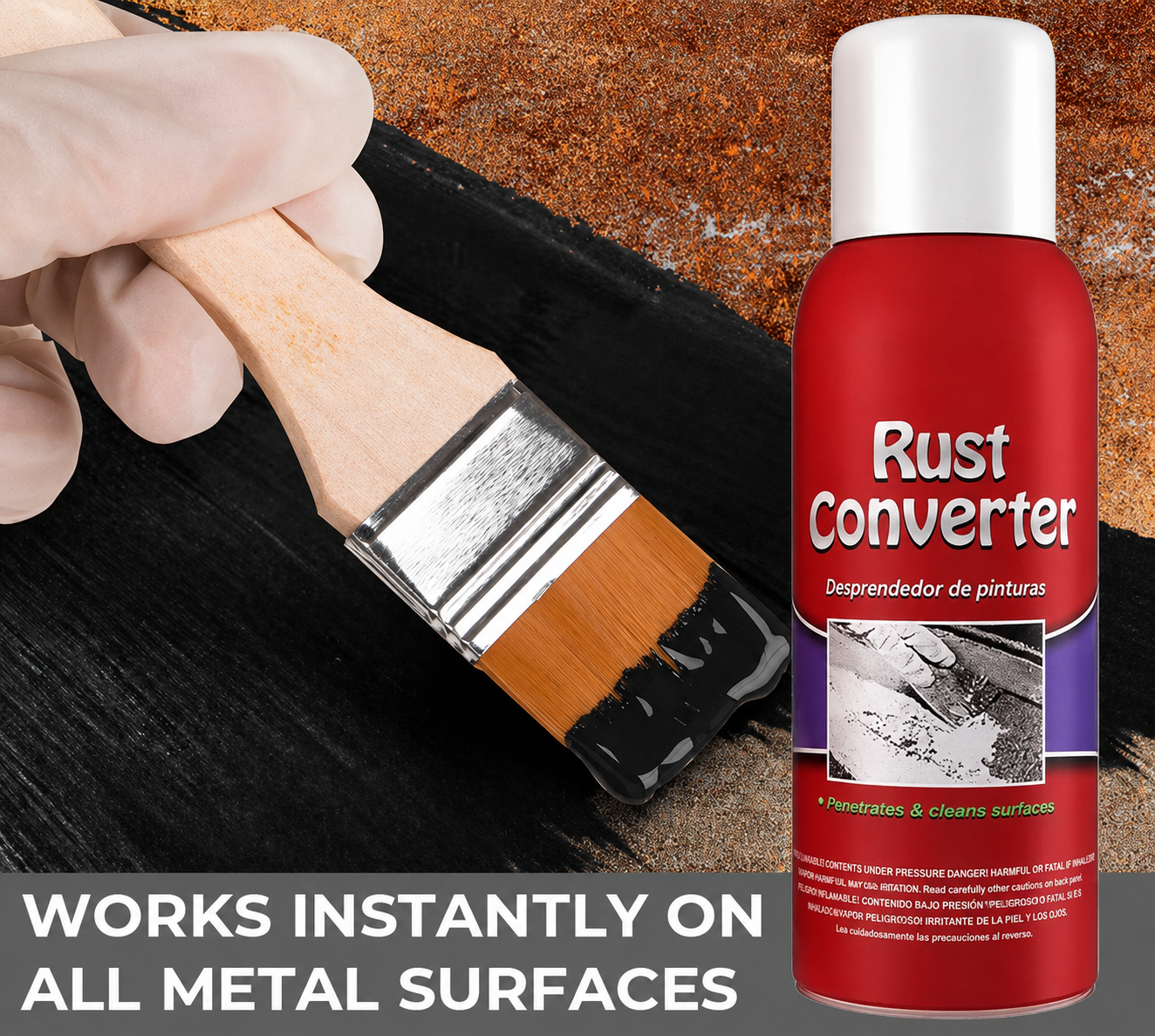
- Rust converter for iron and steel that leaves a paint-ready surfaceBrush RustGuard™ onto rusted iron or steel, convert the corrosion and topcoat in 24 hours. Bundles from $24, free shipping on 3+.
- Rust vs corrosion: what's the difference?Rust is one type of corrosion — the iron kind. Why that distinction decides whether a rust converter will work on your metal at all.
- Rust converter for tools and workshop equipmentBring rusted hand tools, vices, clamps and cast-iron surfaces back into service. When to convert and when to strip and oil instead.
- Rust converter for trailersTreat rust on trailer frames, decks, ramps and hitches with RustGuard™ — brush on, cure 24 hours, topcoat. Bundles from $24.
Last step
Ready to stop the rust?
Ships from our US fulfilment partner, typically 3–7 business days. 30-day money-back guarantee.