- Encrypted paymentSecure, encrypted checkout
- Tracked worldwideFree on 3+ bottle bundles
- 30-day guaranteeMoney-back if it is not for you
- Clear labellingCoverage and results stated honestly
Stock up & save
Choose your RustGuard™ bundle
Prices in USD. Free tracked shipping on 3-bottle bundles and above.
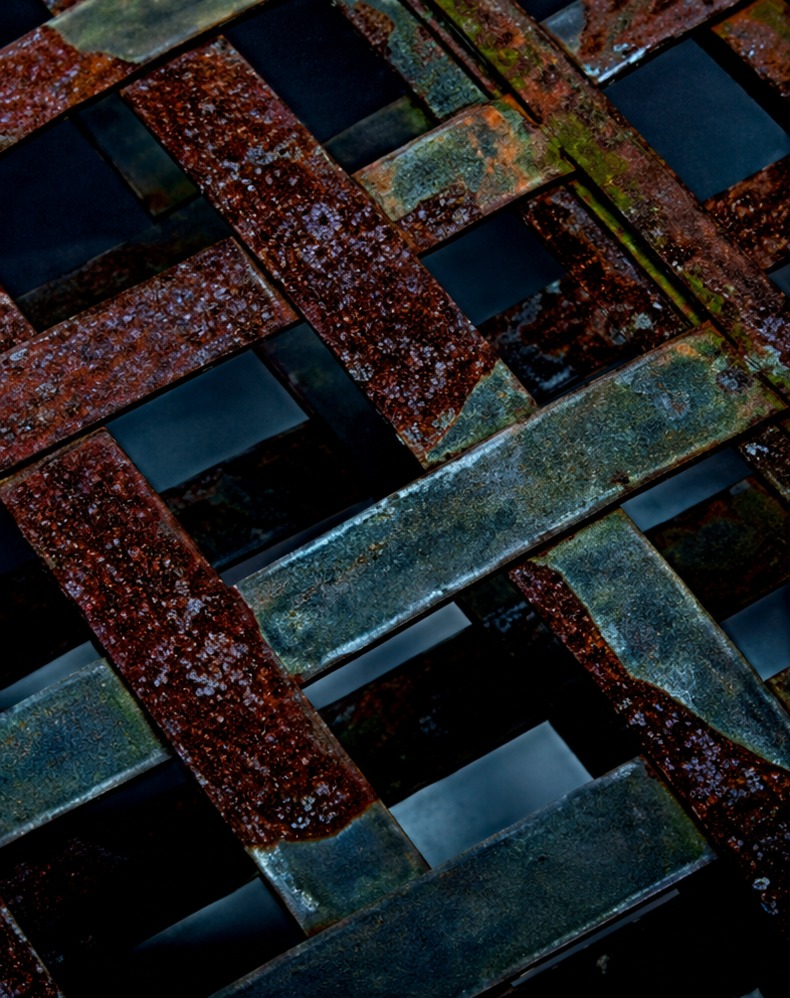
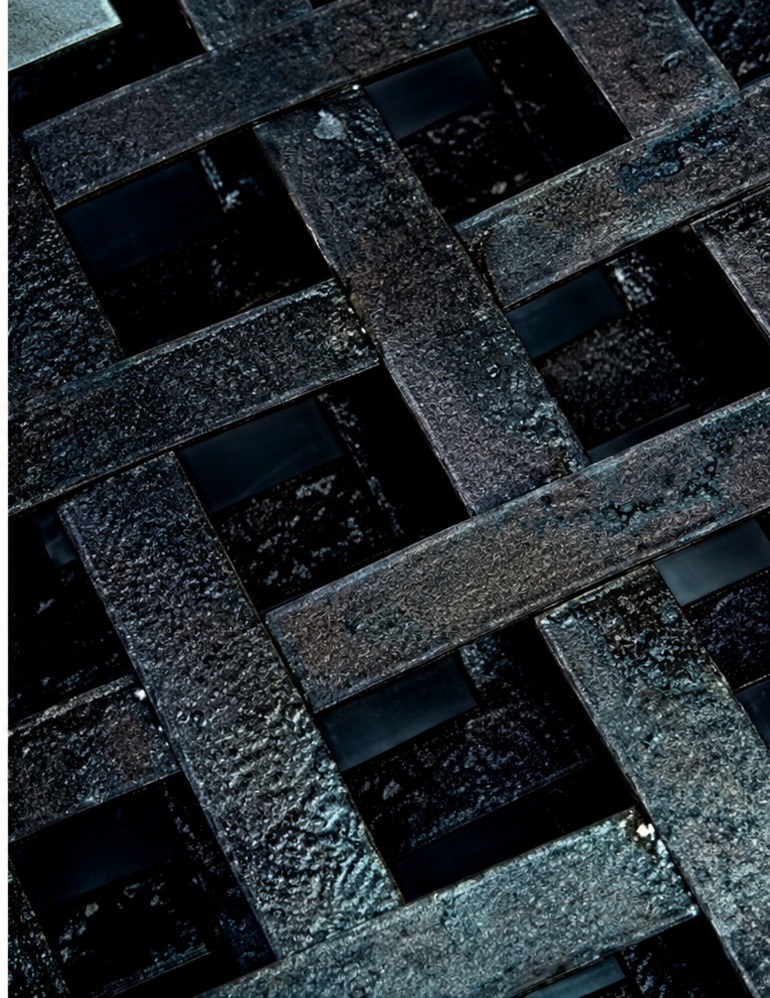
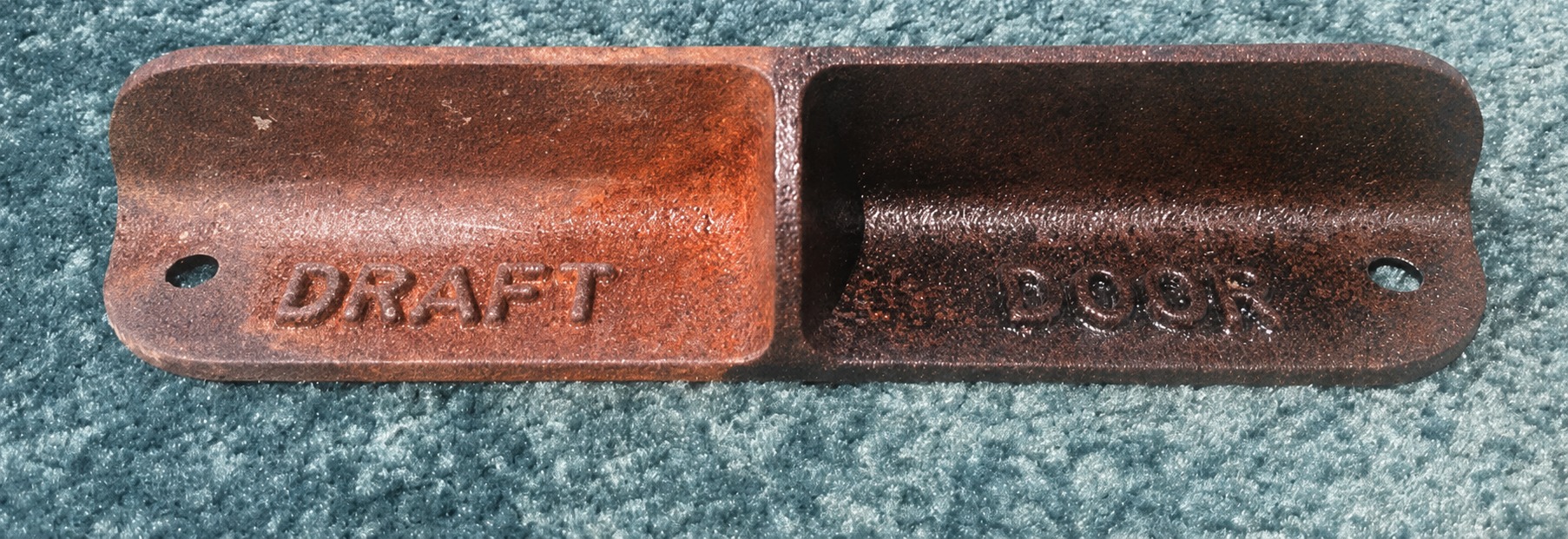
Rusted metal in, paint-ready surface out
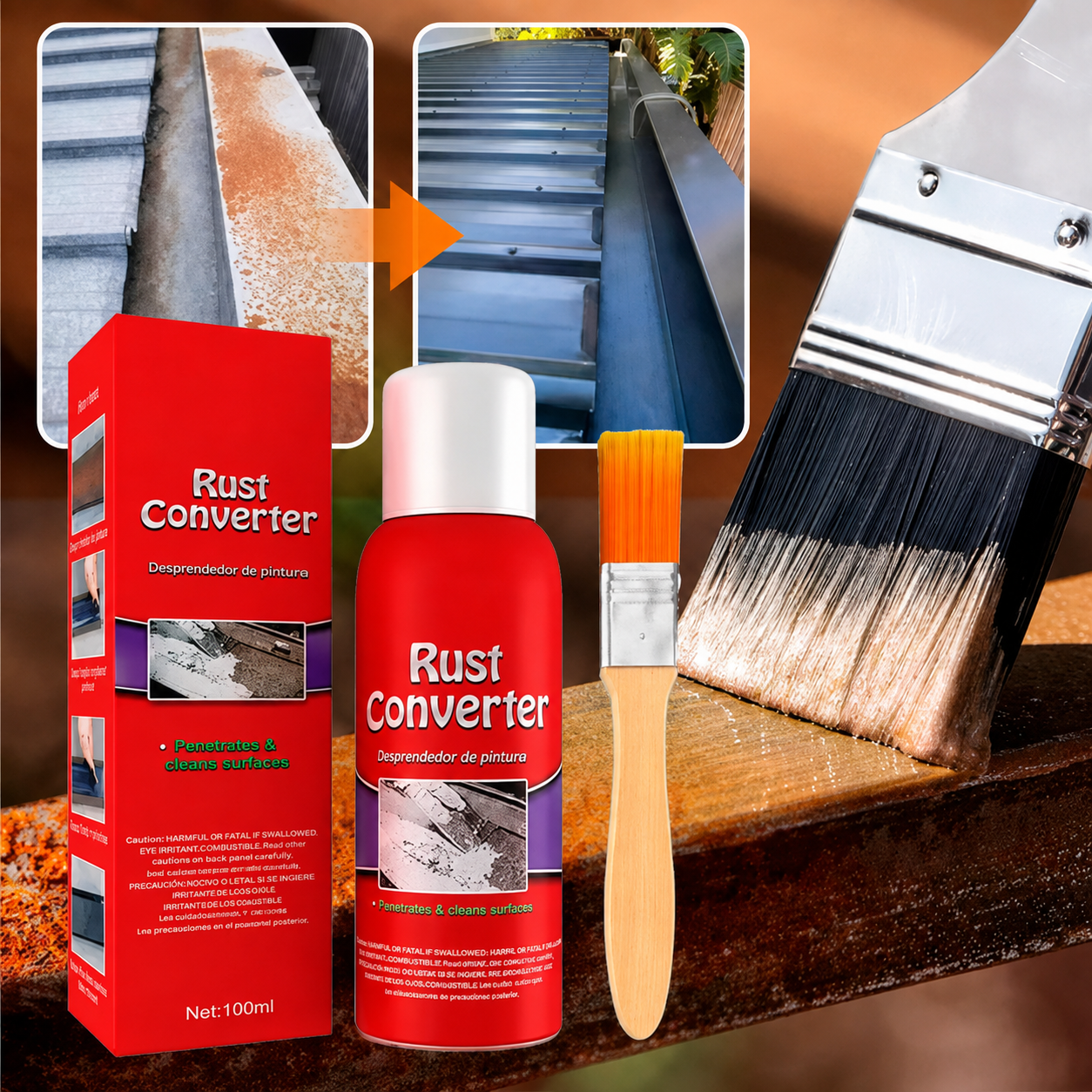
Brush RustGuard™ over sound rust, let it cure, then paint. Images are illustrative — results depend on surface condition and preparation.
The short answer
Spray application is about access, not speed. Aerosol and low-pressure spray put converter into cavities, lattice work and awkward corners a brush cannot reach, but they atomise product into the air and lose 20–40% of it as overspray. For any flat or reachable surface, brushing puts more converter into the pitting for less money.
- Use spray for railings, mesh, lattice, springs, linkages and inside cavities
- Brush or roller anything flat — it wets pitting properly and wastes nothing
- Strain the product and flush water-based converter out of equipment immediately
- Two light passes beat one wet pass; runs skin over and trap moisture
Aerosol versus brush-on, honestly
| Factor | Aerosol spray | RustGuard™ brush-on |
|---|---|---|
| Coverage per unit | Typically 10–15 sq ft | Approx. 55 sq ft per bottle |
| Overspray loss | Significant on open frames | None |
| Reaching pitting | Sits on high spots | Worked into pits with the brush |
| Masking needed | Extensive | Minimal |
| Wind sensitivity | High | Low |
| Cost per treated sq ft | Highest | Lowest at bundle pricing |
You can still spray RustGuard™
If you genuinely need a sprayed finish — large flat sheet, corrugated roofing, a repetitive production job — decant the brush-on liquid into a pump sprayer or an HVLP gun set for a thin water-based coating, and strain it first. You keep the bottle economics and get the spray pattern.
For frames, chassis and railings, though, a brush stays ahead. Bar stock and angle iron have edges that shed a sprayed film and hold a brushed one.
Getting a clean sprayed coat
If you do decant it, these five things decide whether the finish looks right.
- Strain the liquid through a paint filter so nothing blocks the nozzle
- Two light passes beat one wet pass — heavy film skins over and traps the reaction
- Keep 8–10 in / 20–25 cm from the surface and keep the gun moving
- Flush the sprayer with warm water immediately after; it is water-based and easy to clean while wet
- Work out of direct sun so the coat does not flash off before it reacts
Bottles needed for your area
Area
100 sq ft
Bottles needed
3
Recommended bundle
×3 — $42
Based on up to 55 sq ft per bottle on smooth steel, adjusted for surface condition. Estimates only — measure generously.
Why converters win
RustGuard™ vs the old ways
| Method | RustGuard™ | Grinding / sanding | Naval jelly | Paint straight over rust |
|---|---|---|---|---|
| Works on pitted rust you cannot reach | Partly | |||
| No power tools required | ||||
| Leaves a paint-ready surface | After priming | |||
| Stops the treated rust spreading | ||||
| Low dust, low mess | ||||
| Cost for a 100 sq ft panel | From $24 | Discs + hours | $$ | Repaint yearly |
Read the detail: rust converter vs naval jelly · converter vs remover · how to choose one
What buyers say
Rated by people who hate sanding
Saved my truck bed
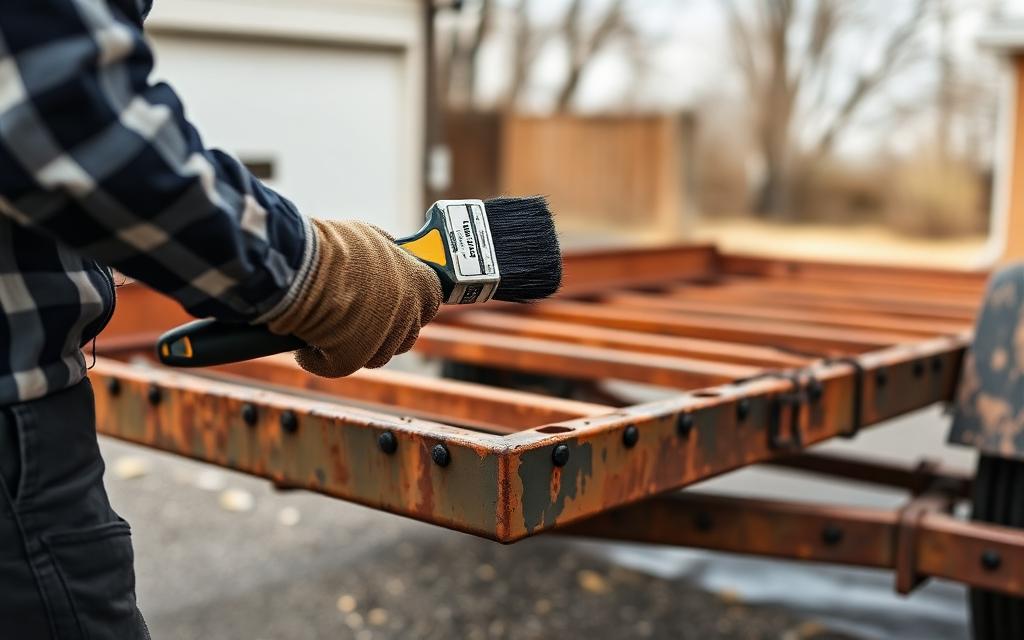
Wire-brushed the loose scale, brushed a coat on and left it overnight. Next morning it was a flat black surface that took primer without fighting me.
Dale R. · Tucson, AZ
No more grinding for hours
I restore gates and railings. This cut my prep time in half on pitted sections where the grinder just polishes the rust around.
Marcus H. · Leeds, UK
Held up through the wet season
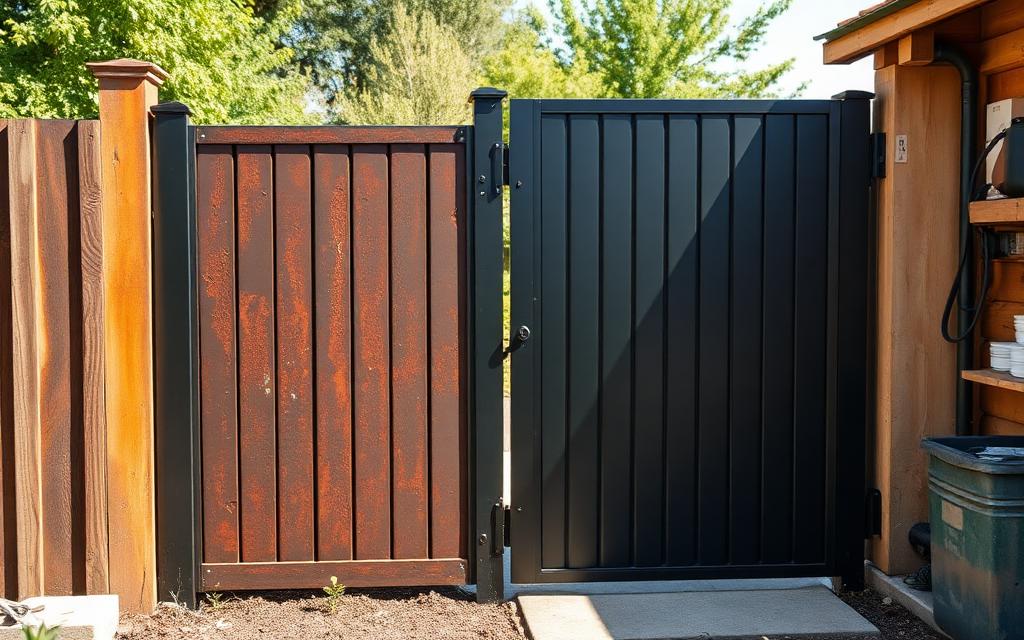
Treated the shed roof sheets and topcoated them. Two seasons of rain later the treated panels still look the way I left them.
Janine K. · Brisbane, AU
Trailer frame looks new
Frame rails were surface-rusted everywhere. Two bottles covered the whole thing with enough left over for the tongue and jack.
Tom V. · Hamilton, ON
Simple to use
Shake, brush, wait. No mixing, no strong acid smell like the jelly products I used before.
Ricardo M. · Houston, TX
Bought the 5-pack, no regrets
Fence posts, patio furniture and a mower deck off one bundle. Ordering the workshop pack was cheaper than buying singles twice.
Ellen S. · Portland, OR
Reviews shown are illustrative sample copy while we collect verified customer feedback.
Buy with confidence
Nothing to lose but the rust
Worldwide shipping
Tracked delivery to the US, UK, Canada, Australia, EU and more. Free on 3-bottle bundles and above.
Encrypted payment
Card details are captured on a secure, encrypted checkout page. We never see or store your card number.
30-day guarantee
If RustGuard™ is not right for your project, contact support within 30 days for a refund of the product price.
No grinder needed
Brush-on chemistry designed for pitted, hard-to-reach rust where abrasives cannot get a bite.
Secure checkout
Order your RustGuard™ bundle
Pick a bundle, tap checkout — that's it. No account, no forms to fight. Your delivery address and payment are collected on the secure checkout page.
Step 1 — Choose your bundle
One bottle covers about 55 sq ft. Treating a whole vehicle, trailer or roof section? Most people need 3 or more.
Free tracked shipping unlocked
Most projects use more than they expect — the ×8 pack drops you to $9.00/bottle (you pay $11.00 now).
Step 2 — Checkout securely
Apple Pay, Google Pay and all major cards are accepted on the secure Shopify checkout — address, payment and confirmation, all in one place.
- 1Tap checkoutYour bundle is reserved in a secure cart.
- 2Pay your wayCard, Apple Pay or Google Pay — under a minute.
- 3Tracked dispatchConfirmation email instantly, packed in 1 business day.
“Ordered the 5-pack, treated the whole trailer frame and still had a bottle spare.”
Tom V. · Hamilton, ON
“Arrived tracked in five days and the brush kit saved me a trip to the store.”
Dale R. · Tucson, AZ
Reviews are illustrative while verified feedback is collected.
What atomising a converter actually changes
A converter works by wetting rust long enough for the acid to reach the oxide and the polymer to bind it. A brush drags the liquid into pit floors and seams under pressure. A spray lands droplets on the highest points of the surface and relies on them flowing together, which is why sprayed film on deeply pitted steel often looks converted on top while the pit floors stay orange.
That is not an argument against spraying — it is an argument for matching method to geometry. On a wrought-iron gate with fifty balusters, a brush takes three hours and still misses the backs. A spray gets 360-degree coverage in twenty minutes, and any pitting on ornamental steel is usually shallow enough for a sprayed film to reach.
The compromise most people end up with is both: spray the complex areas for coverage, then go back with a brush and work the product into the few spots where the rust is deep. That is one product, two tools, and no compromise on the parts that matter structurally.
Spray methods compared for converter work
| Method | Best use | Waste | Notes |
|---|---|---|---|
| Hand pump / garden sprayer | Fences, mesh, farm gates, large ornamental runs | Low to moderate | Cheapest route; use a fine nozzle and strain the product |
| HVLP with water-based setup | Vehicle underbodies, machinery frames | Moderate | Needs a 1.4–1.8 mm tip and full water flush after use |
| Airless / low-pressure industrial | Structural steel, tank shells, racking | Moderate | Strain twice; keep the film thin, it is easy to over-apply |
| Aerosol converter can | Spot repairs, touch-ups, single brackets | High | Convenient but the most expensive per square foot by far |
| Brush or short-nap roller | Any flat, reachable panel | None | Best penetration into pitting, no masking overhead |
Spraying RustGuard™ without wasting it
- 01
Prep exactly as you would for brushing
Scrape, wire-brush, degrease, rinse and dry. Spray hides poor prep for about a week and then reveals it as peeling film.
- 02
Mask further than feels necessary
Overspray drifts. Sheet the ground, cover glass, trim, brickwork and anything painted a colour you like. Converter on good paint stains it.
- 03
Strain the product into the sprayer
A paint strainer or fine mesh stops the nozzle clogging halfway down a gate, which is where most sprayed jobs go wrong.
- 04
Set a fine, dry-looking fan
You want a light even mist, not a wet stripe. Test on cardboard and adjust before you point it at the work.
- 05
Two passes, crossed
One vertical pass, one horizontal pass over the same area, a few minutes apart. This is how you get the backs of round sections.
- 06
Brush the deep pitting
Walk the job with a small brush and work product into any pit, seam or weld that still looks orange after the film has darkened.
- 07
Flush the equipment with water immediately
Water-based converter is easy to clean wet and very stubborn once cured. Do not leave it in the gun while you have lunch.
Coverage maths when you spray
Budget more product for spraying. A brushed bottle of RustGuard™ covers around 55 sq ft; sprayed through a hand pump on open lattice work, plan on 35–45 sq ft of actual treated steel, with the rest lost to overspray and the gaps between members. Through an HVLP gun on a flat underbody, you are closer to 45–50 sq ft.
That changes the pack you should buy. A run of railings you measured at 150 sq ft is a three-pack job with a brush and a four-to-five bottle job with a sprayer — which in practice means the five-pack at $55, because free shipping starts at three bottles and running out mid-job means a second delivery and a second prep day.
One useful trick for open structures: measure the footprint, then multiply by 2.5 rather than 2 for both faces. The extra half accounts for edges, brackets and the mist that goes straight past thin members.
Safety when the product is airborne
Water-based and low-odour is not the same as safe to inhale as a mist.
- Wear a particulate mask or respirator rated for water-based coating mists, not a dust mask
- Full eye protection — goggles, not glasses, because mist arrives from every angle
- Nitrile gloves and long sleeves; converter stains skin and dries very dark
- Spray outdoors or in a genuinely ventilated space, never in a closed garage
- Keep the mist away from vehicle air intakes, brake assemblies and electrical connectors
- Rinse the sprayer over waste, not down a storm drain, and let solids dry before binning them
When not to spray a converter
- Deep pitting or heavy scale, where atomised droplets bridge instead of penetrating
- Anywhere you cannot mask properly — near good paintwork, glass, brickwork or a neighbour's car
- In wind, which turns a controlled fan into a coating for everything downwind
- Inside an unventilated garage, where the mist has nowhere to go but your lungs
- On brakes, bearings, threads or sliding surfaces, which is far harder to avoid with a spray than a brush
- As a substitute for prep — spray does nothing about grease, wax or flaking rust
Frequently asked questions
Do you sell an aerosol can?
No. We sell the concentrated brush-on liquid because it covers roughly four times the area per dollar and reaches pitting that a spray film bridges over.
Can I use a garden pump sprayer?
Yes, for large flat surfaces. Strain the liquid, spray light passes, and flush the sprayer with warm water right after.
Will brushing leave brush marks?
The converted layer dries matte and slightly textured, and your topcoat covers it. Brush marks in the converter do not show through a finish coat.
How much do I need for a metal roof?
Use the calculator on this page. As a rough guide, a 20 × 30 ft roof section is about 600 sq ft, so plan on eleven bottles — the 8-pack plus a 3-pack.
Can RustGuard™ go through a normal garden sprayer?
Yes, provided you strain it, use a fine nozzle and flush the sprayer with water immediately afterwards. It is the standard method for fences, mesh and farm gates.
Is spray-on rust converter as durable as brushed?
On flat or lightly rusted steel the cured films are equivalent. On pitted steel, brushed film is more durable because more product reaches the pit floors.
Why is my sprayed film patchy and orange in places?
Either the pass was too light, the product did not reach the back of a section, or the surface still had oil on it. Brush those areas by hand and recoat.
Do I need to thin it for spraying?
No. Thinning a converter dilutes the active chemistry as well as the viscosity. If the nozzle struggles, strain it and open the fluid setting instead.
Can I use an aerosol converter for a whole car?
You can, but the cost per square foot is several times a brushed bottle. Aerosols make sense for spot repairs and touch-ups, not whole projects.
How long before I can topcoat sprayed converter?
The same 24 hours. A sprayed film is often thinner, but the cure window is set by the chemistry, not the application method.
Keep reading
- Rust converter for iron and steel that leaves a paint-ready surfaceBrush RustGuard™ onto rusted iron or steel, convert the corrosion and topcoat in 24 hours. Bundles from $24, free shipping on 3+.
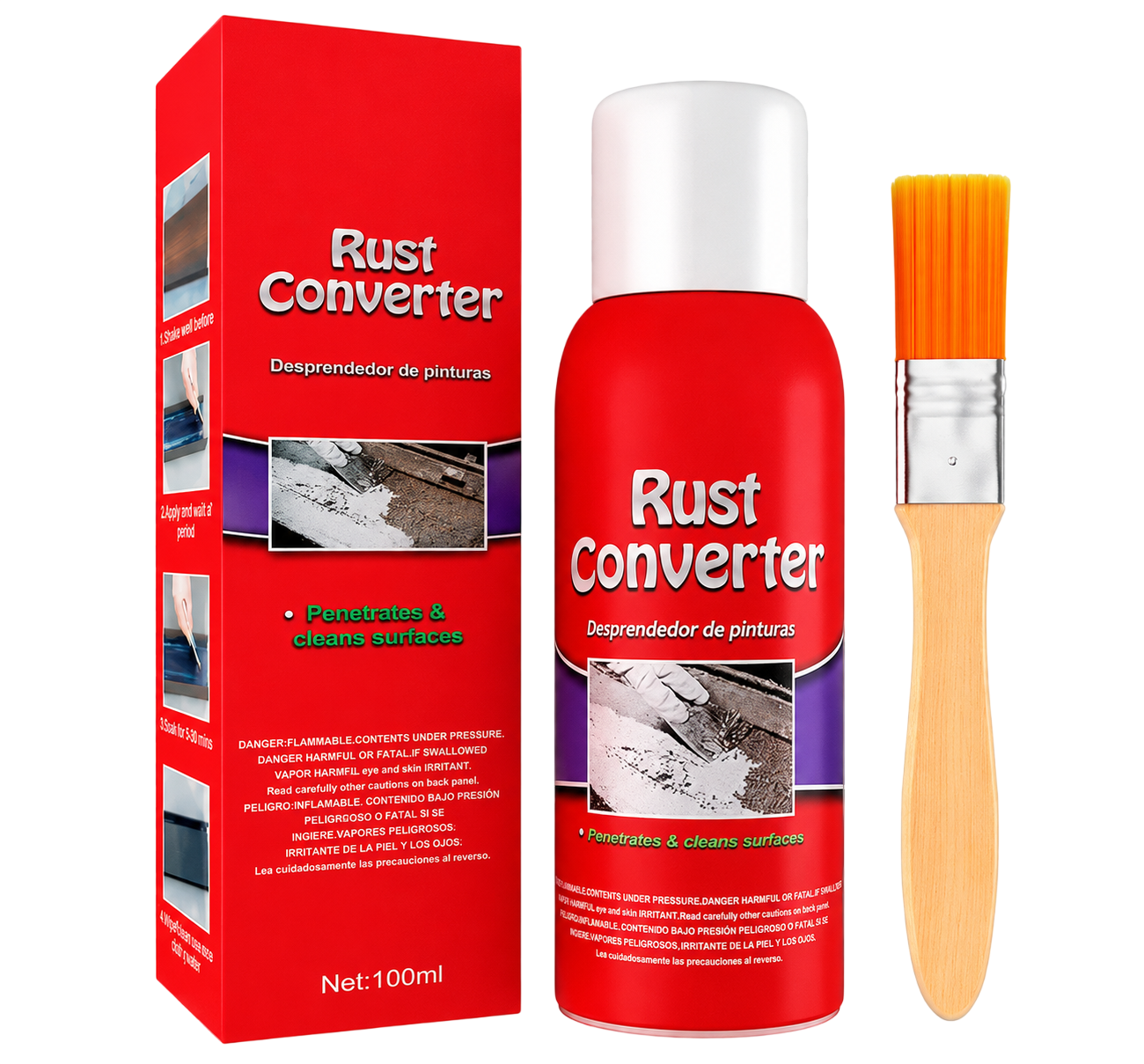
- Rust converter paint: convert and prime in the same coatRustGuard™ works as a rust converter and primer in one coat — convert corrosion, then topcoat after 24 hours. Bundles from $24.
- Rust converter for metal roofsTreat rusting corrugated roofing, gutters and flashing with RustGuard™. Coverage figures, safe access and topcoat guidance.
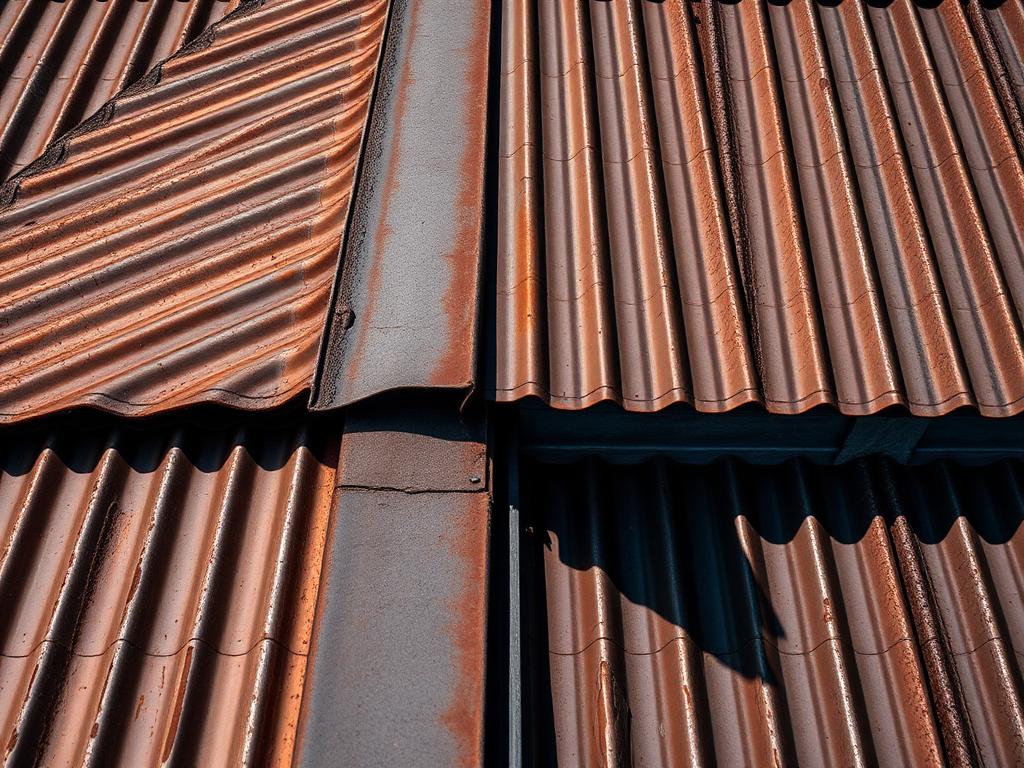
- How to use rust converter, step by stepThe full method for applying a rust converter: preparation, degreasing, coats, cure time and topcoating. Written for RustGuard™ but valid for any converter.
- Rust converter coverage calculatorWork out exactly how many bottles of RustGuard™ your job needs. Enter your area or pick a common job and get a bundle recommendation.
Last step
Ready to stop the rust?
Ships from our US fulfilment partner, typically 3–7 business days. 30-day money-back guarantee.