- Encrypted paymentSecure, encrypted checkout
- Tracked worldwideFree on 3+ bottle bundles
- 30-day guaranteeMoney-back if it is not for you
- Clear labellingCoverage and results stated honestly
Stock up & save
Choose your RustGuard™ bundle
Prices in USD. Free tracked shipping on 3-bottle bundles and above.
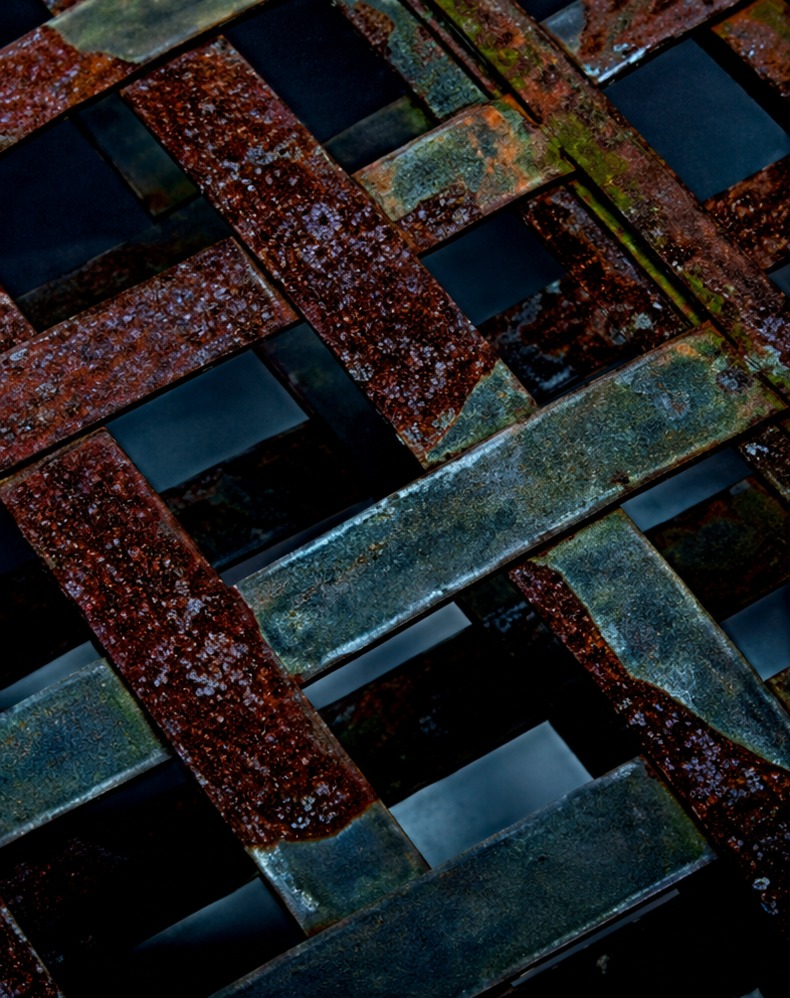
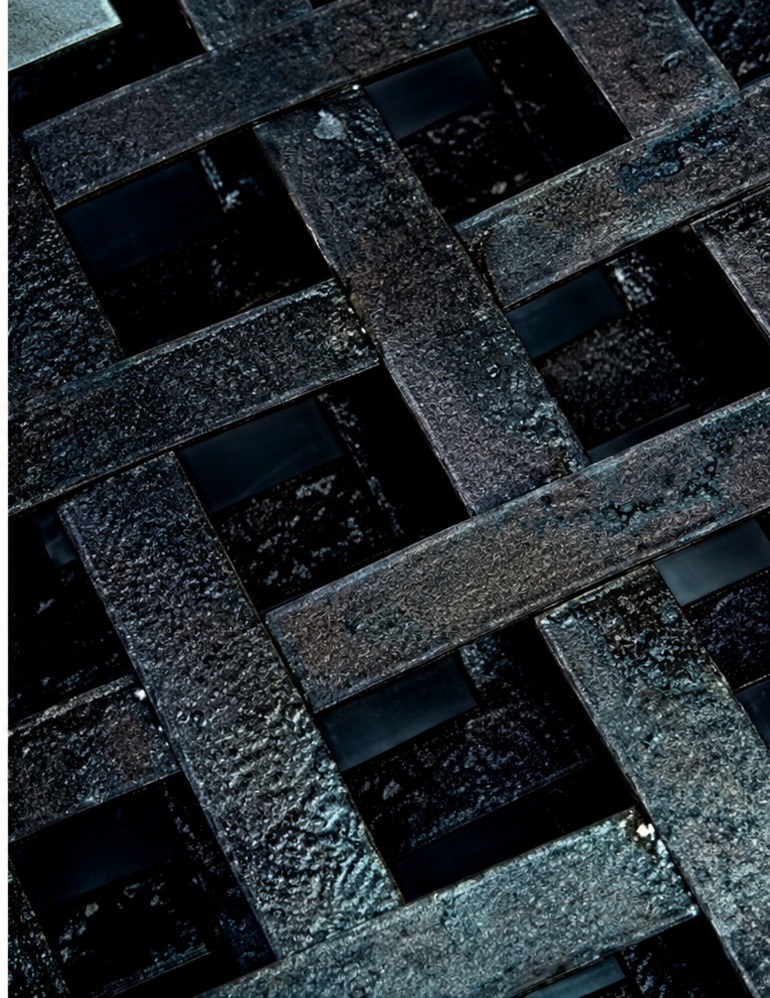
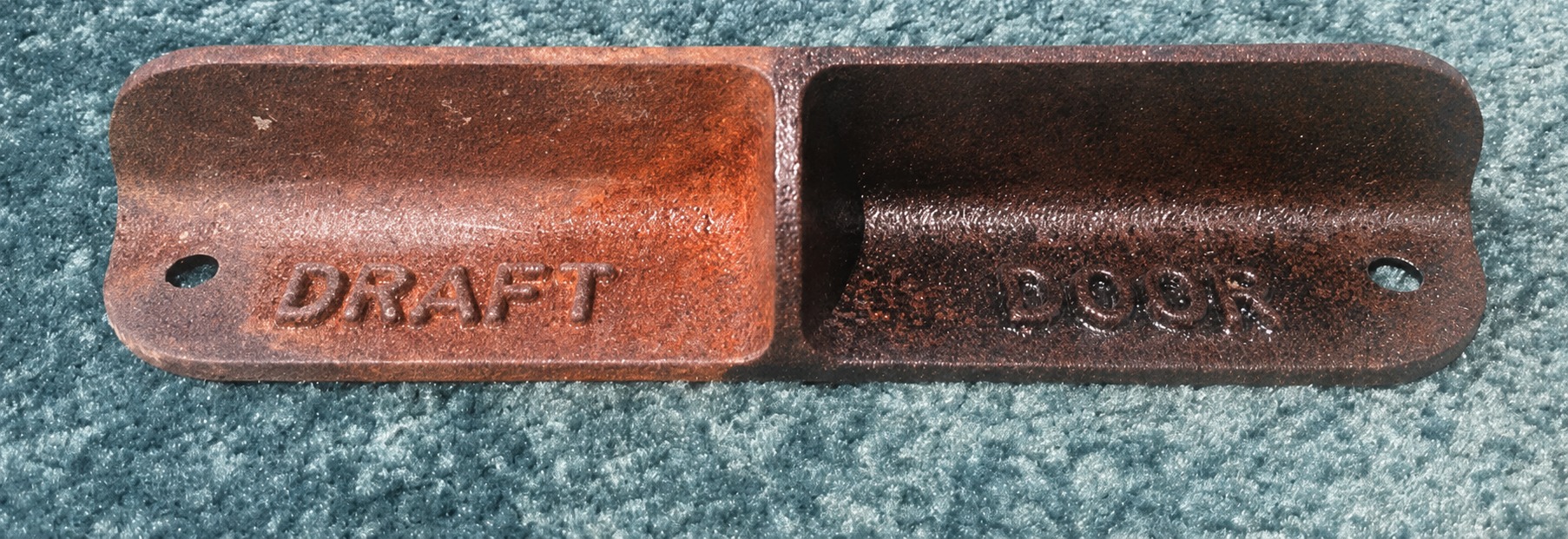
Rusted metal in, paint-ready surface out
Brush RustGuard™ over sound rust, let it cure, then paint. Images are illustrative — results depend on surface condition and preparation.
The short answer
Split each tool in two. Working surfaces — edges, ways, threads, measuring faces — get abrasive or a chemical soak, then oil. Painted parts — vice bodies, machine frames, toolbox shells, garden tool heads — get scraped, degreased, converted and painted. Doing it that way restores the look without changing how anything fits or cuts.
- Never coat a cutting edge, a machined way or a measuring face
- Degrease twice: old tools carry decades of oil and it kills adhesion
- One bottle covers a normal workshop round
- Finish with oil on bare working surfaces and paint on castings
Decide surface by surface
| Surface | Method | Finish |
|---|---|---|
| Cutting edges, blades, chisels | Abrasive or chelating soak | Oil or wax |
| Machined tables and slideways | Fine abrasive and solvent | Paste wax |
| Threads, screws, adjusters | Wire brush or soak | Light oil |
| Castings, bodies, frames | Wire brush, then convert | Enamel paint |
| Toolbox shells and cabinets | Wire brush, then convert | Enamel paint |
| Garden tool heads | Wire brush, convert non-cutting areas | Paint plus oiled edge |
A weekend tool rescue
- 01
Sort and dismantle
Separate the bare-metal parts from the paintable ones. Bag the fasteners.
- 02
Soak the small parts
A chelating rust remover or electrolysis bath handles sockets, spanners and blades overnight with no metal loss.
- 03
Wire brush the castings
A cup brush on a drill takes a vice body or bench frame back to something sound in minutes.
- 04
Degrease everything
Decades of oil needs a proper degreaser, sometimes twice.
- 05
Convert and paint the bodies
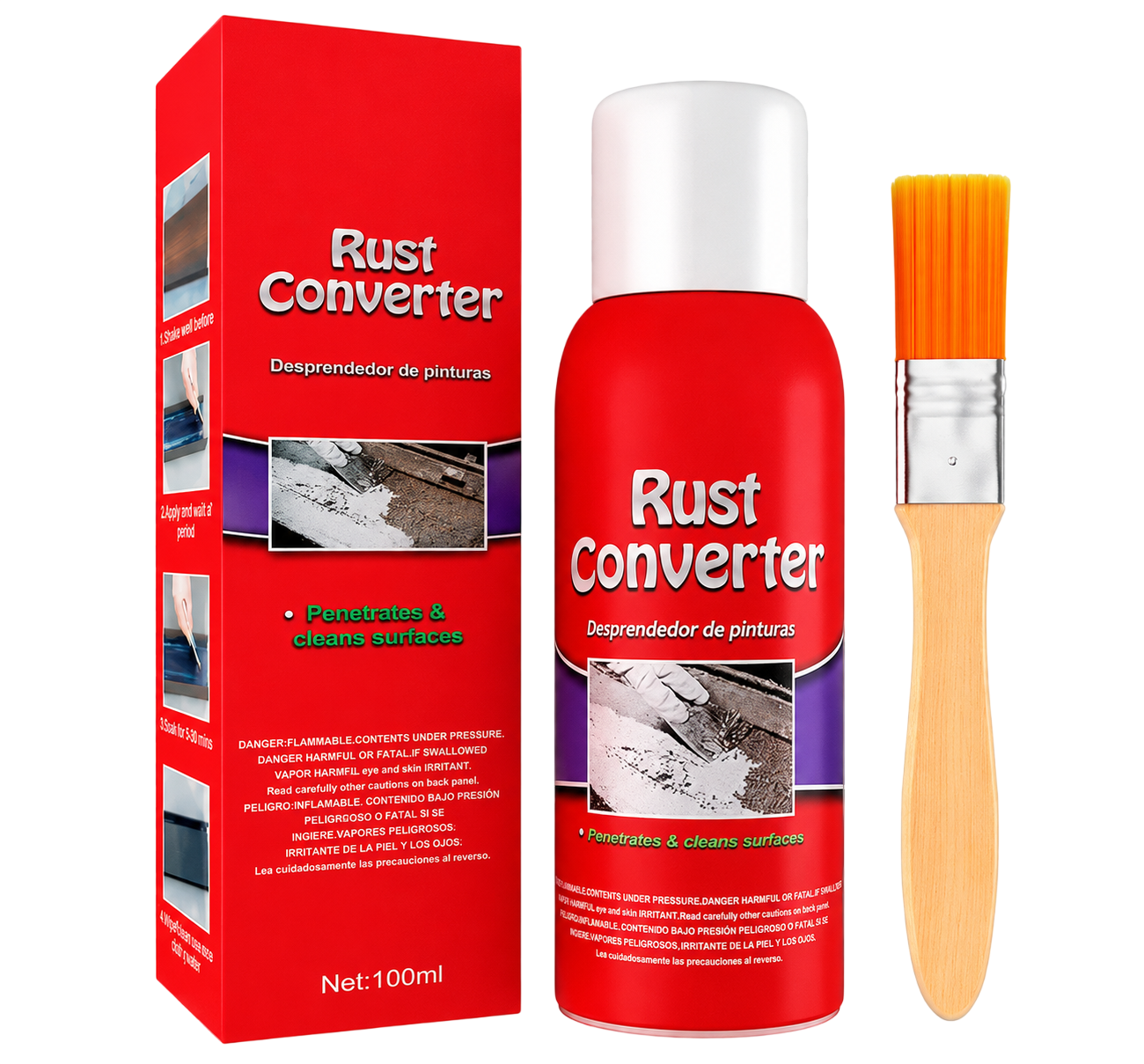
Thin coat, 24-hour cure, then machine enamel for a finish that survives knocks and solvent.
- 06
Oil and wax the bare metal
Camellia oil, a light machine oil or paste wax on edges, tables and threads. Reapply seasonally.
Keeping them clean afterwards
- Wipe tools down before they go back in the box
- Store off concrete floors — slabs wick moisture upward
- A vapour-corrosion-inhibitor strip in a closed toolbox works well
- Keep the workshop below about 60% relative humidity if you can
- Wax machined surfaces every few months rather than once a year
How much for a workshop round?
Area
100 sq ft
Bottles needed
3
Recommended bundle
×3 — $42
Based on up to 55 sq ft per bottle on smooth steel, adjusted for surface condition. Estimates only — measure generously.
Decide surface by surface before you start
Every restoration decision follows from one question: does this surface need to stay dimensionally exact or slide against something? If yes, it gets cleaned mechanically or chemically and then oiled, with no film left on it. If no, it can be converted and painted, and it will look better than it has in decades.
A bench vice is the perfect illustration. The body and base are painted castings — convert and paint. The jaws are hardened and the slide is machined — abrasive, oil, no coating. A table saw is the same: painted frame, ground cast-iron table. Get that split right and the job goes well every time.
Hand tools follow the same logic. A spade head is painted metal and converts beautifully; the cutting edge is a working surface and should be sharpened and oiled instead. A hammer head is painted or blued metal except for the striking face, which stays bare.
Method by tool type
| Tool | Working surfaces | Painted surfaces |
|---|---|---|
| Bench vice | Jaws and slide: abrasive plus oil | Body and base: convert and paint |
| Table saw | Cast table: abrasive plus wax | Frame and cabinet: convert and paint |
| Hand plane | Sole and iron: abrasive plus oil | Body sides if painted |
| Chisels and saws | Whole blade: abrasive plus oil | None |
| Spades and forks | Edge: sharpen and oil | Head and socket: convert and paint |
| Mower deck | Blade: sharpen separately | Deck underside: convert and paint |
| Toolbox or cabinet | None | Shell and drawers: convert and paint |
| Wheelbarrow | None | Body and frame: convert and paint |
| Anvil | Face: abrasive plus light oil | Body sides: convert and paint |
A weekend tool rescue
- 01
Dismantle as far as is practical
Jaws off the vice, blade off the mower, handle out of the spade. Masking is always slower than removal.
- 02
Degrease twice
Detergent wash, then a solvent wipe. Splash test at the end: water sheets on clean steel.
- 03
Deal with the working surfaces first
Abrasive pad, wire wheel or a chemical soak. Dry thoroughly, then oil them and set them aside.
- 04
Wire-brush the castings and shells
Remove every loose flake. A drill-mounted wheel on the flats, a hand brush around the bosses.
- 05
One or two thin coats of converter on the painted zones
One on light rust, two on pitted iron. Keep it off everything you set aside earlier.
- 06
Cure 24 hours, then machine enamel or hammered finish
Two thin coats. Hammered finish is very forgiving on pitted castings.
- 07
Reassemble, oil and store dry
New fasteners where the old ones are chewed, a wipe of oil on bare metal, and a dry home.
Removing rust from blades and precision surfaces
For edges and reference faces, mechanical is best: wet-and-dry abrasive on a flat backing, working from around 220 grit up to 600 or finer for a plane sole or a chisel back. It removes the oxide and leaves the geometry intact, which matters far more than the appearance.
For fiddly items — sockets, spanners, drill bits, small parts — a chemical soak followed by a thorough rinse and an immediate dry is faster. The critical part is what happens next: bare steel out of a soak will flash-rust within hours, so it must be dried completely and oiled the same day.
Electrolysis is worth knowing about for badly rusted cast items. It is slow, cheap and completely non-abrasive, so it suits pitted hand-tool bodies where you want to preserve stamped markings. The parts still need drying and protecting immediately afterwards.
Keeping them clean afterwards
- Dry every tool before it goes away — this beats every product
- A light oil wipe on bare working surfaces after use
- Paste wax on machine tables, refreshed twice a year
- Silica gel, a rust-inhibiting emitter, or gentle heat in a damp shed
- Store edge tools racked rather than piled, so air circulates
- Touch up chipped paint on castings before it becomes a rust patch
How much for a workshop round?
Area
100 sq ft
Bottles needed
3
Recommended bundle
×3 — $42
Based on up to 55 sq ft per bottle on smooth steel, adjusted for surface condition. Estimates only — measure generously.
Where a converter has no place
- Cutting edges of any kind
- Machined ways, slides, spindles, lead screws and chucks
- Measuring and reference faces on squares, rules and straight edges
- Anything that must stay to size or free-running
- Cast iron cookware and food contact surfaces
- Tools that run hot beyond roughly 400°F
What buyers say
Rated by people who hate sanding
Saved my truck bed
Wire-brushed the loose scale, brushed a coat on and left it overnight. Next morning it was a flat black surface that took primer without fighting me.
Dale R. · Tucson, AZ
No more grinding for hours
I restore gates and railings. This cut my prep time in half on pitted sections where the grinder just polishes the rust around.
Marcus H. · Leeds, UK
Held up through the wet season
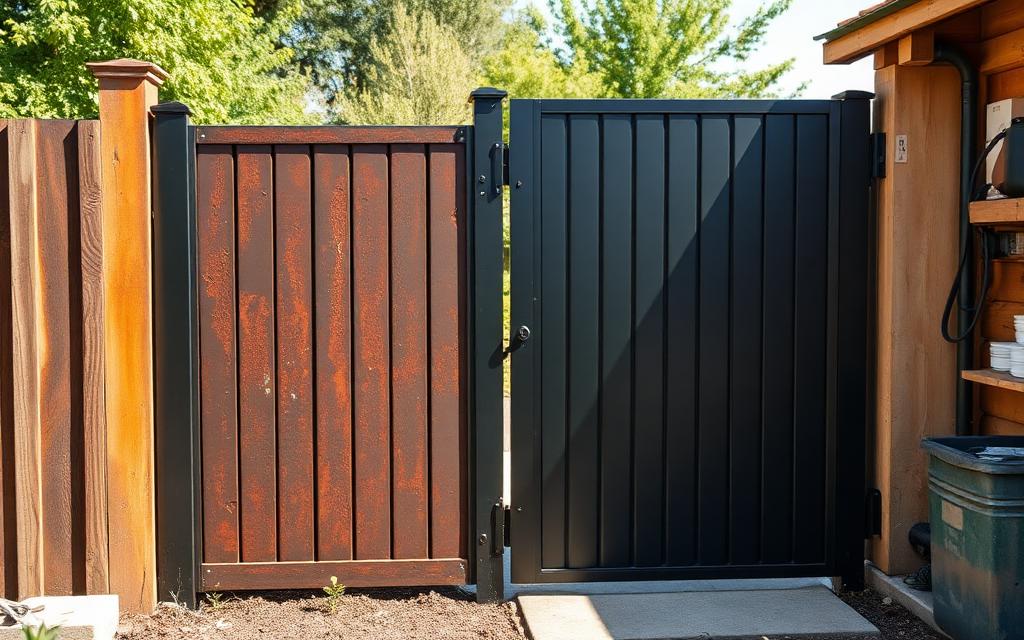
Treated the shed roof sheets and topcoated them. Two seasons of rain later the treated panels still look the way I left them.
Janine K. · Brisbane, AU
Trailer frame looks new
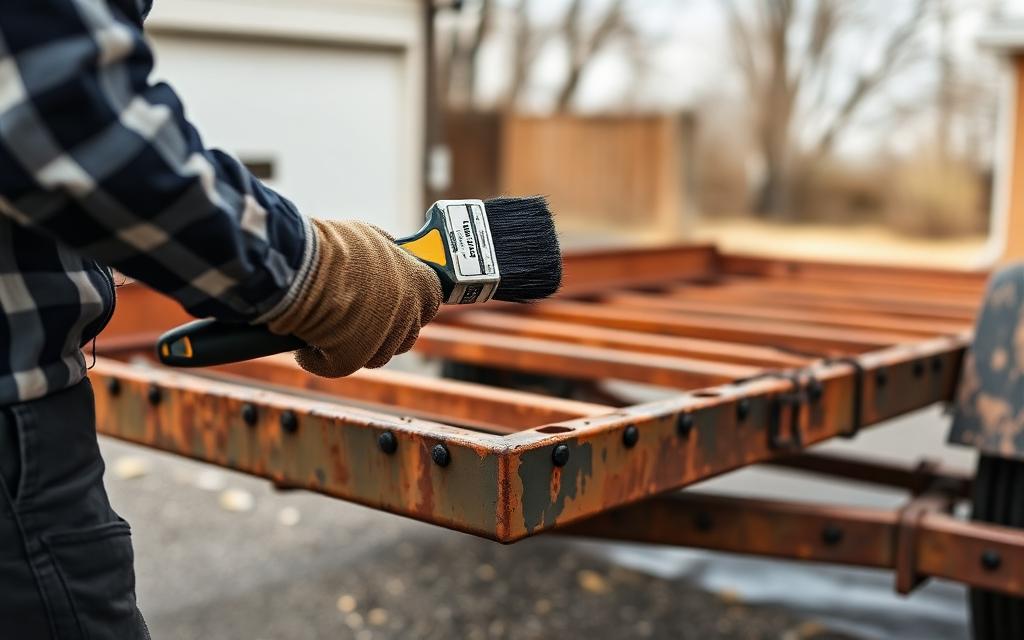
Frame rails were surface-rusted everywhere. Two bottles covered the whole thing with enough left over for the tongue and jack.
Tom V. · Hamilton, ON
Simple to use
Shake, brush, wait. No mixing, no strong acid smell like the jelly products I used before.
Ricardo M. · Houston, TX
Bought the 5-pack, no regrets
Fence posts, patio furniture and a mower deck off one bundle. Ordering the workshop pack was cheaper than buying singles twice.
Ellen S. · Portland, OR
Reviews shown are illustrative sample copy while we collect verified customer feedback.
Buy with confidence
Nothing to lose but the rust
Worldwide shipping
Tracked delivery to the US, UK, Canada, Australia, EU and more. Free on 3-bottle bundles and above.
Encrypted payment
Card details are captured on a secure, encrypted checkout page. We never see or store your card number.
30-day guarantee
If RustGuard™ is not right for your project, contact support within 30 days for a refund of the product price.
No grinder needed
Brush-on chemistry designed for pitted, hard-to-reach rust where abrasives cannot get a bite.
Secure checkout
Order your RustGuard™ bundle
Pick a bundle, tap checkout — that's it. No account, no forms to fight. Your delivery address and payment are collected on the secure checkout page.
Step 1 — Choose your bundle
One bottle covers about 55 sq ft. Treating a whole vehicle, trailer or roof section? Most people need 3 or more.
Free tracked shipping unlocked
Most projects use more than they expect — the ×8 pack drops you to $9.00/bottle (you pay $11.00 now).
Step 2 — Checkout securely
Apple Pay, Google Pay and all major cards are accepted on the secure Shopify checkout — address, payment and confirmation, all in one place.
- 1Tap checkoutYour bundle is reserved in a secure cart.
- 2Pay your wayCard, Apple Pay or Google Pay — under a minute.
- 3Tracked dispatchConfirmation email instantly, packed in 1 business day.
“Ordered the 5-pack, treated the whole trailer frame and still had a bottle spare.”
Tom V. · Hamilton, ON
“Arrived tracked in five days and the brush kit saved me a trip to the store.”
Dale R. · Tucson, AZ
Reviews are illustrative while verified feedback is collected.
Frequently asked questions
Can I convert a rusty plane sole?
No. Sole and blade are reference and cutting surfaces — strip and wax those. The body casting and tote hardware can be treated.
Does electrolysis damage the steel?
No, it removes oxide without attacking sound metal, which is why it suits precision tools.
Is vinegar safe for tools?
It works slowly on light rust but needs thorough rinsing and neutralising, and it will darken some steels.
What about rusted sockets and spanners?
Soak them, dry them, and oil them. Do not paint anything that has to grip a fastener.
What is the best way to remove rust from tools?
Abrasive or a chemical soak on working surfaces, followed by oil; scrape, degrease, convert and paint on painted castings and shells. Split every tool into those two zones before you start.
Can I use rust converter on a chisel or plane?
Not on the edge, sole or back. Use abrasive and oil there. Painted bodies can be converted and repainted.
What about a rusty vice?
Perfect job. Convert and paint the body and base, clean and oil the jaws and slide separately.
Will vinegar work?
It removes rust from small items given long enough, but it leaves bare, flash-rusting steel that must be neutralised, dried and oiled immediately.
How do I stop tools rusting in a damp shed?
Ventilate, add gentle heat or desiccant, keep tools off concrete floors, and oil bare metal after use.
Is electrolysis worth it?
For badly rusted cast items where you want to preserve stampings, yes. It is slow but completely non-abrasive.
How much converter do I need?
One bottle — roughly 55 sq ft in two coats — covers a typical workshop round of a vice, a mower deck, a barrow and garden tools.
Keep reading
- Rust converter for tools and workshop equipmentBring rusted hand tools, vices, clamps and cast-iron surfaces back into service. When to convert and when to strip and oil instead.
- How to remove rust from metalAbrasives, acids, electrolysis, chelation and conversion — what each rust removal method costs in time and effort, and when each one is the right call.
- Rust prevention guideA practical prevention programme for vehicles, tools and outdoor steel — coatings, drainage, storage, salt management and an inspection schedule.
- Rust converter for iron and steel that leaves a paint-ready surfaceBrush RustGuard™ onto rusted iron or steel, convert the corrosion and topcoat in 24 hours. Bundles from $24, free shipping on 3+.
- Rust converter vs rust remover: which one your job needsSide-by-side comparison of rust converters and rust removers: chemistry, effort, cost, flash rust risk, and which to use on your job.
Last step
Ready to stop the rust?
Ships from our US fulfilment partner, typically 3–7 business days. 30-day money-back guarantee.