- Encrypted paymentSecure, encrypted checkout
- Tracked worldwideFree on 3+ bottle bundles
- 30-day guaranteeMoney-back if it is not for you
- Clear labellingCoverage and results stated honestly
Stock up & save
Choose your RustGuard™ bundle
Prices in USD. Free tracked shipping on 3-bottle bundles and above.
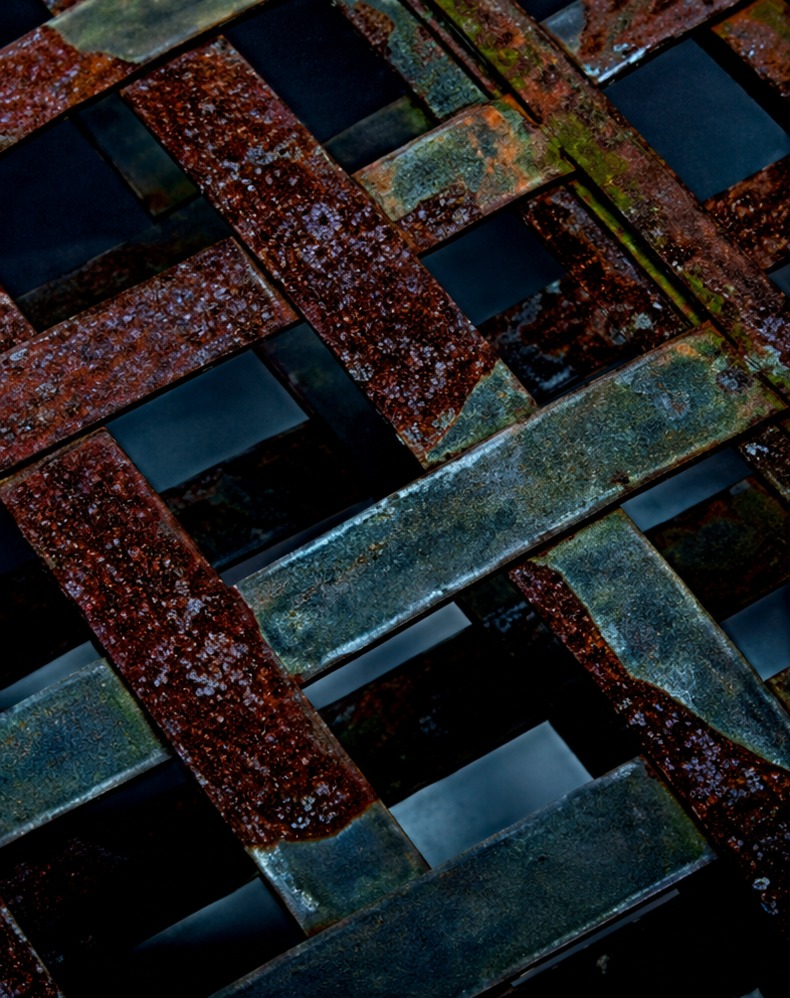
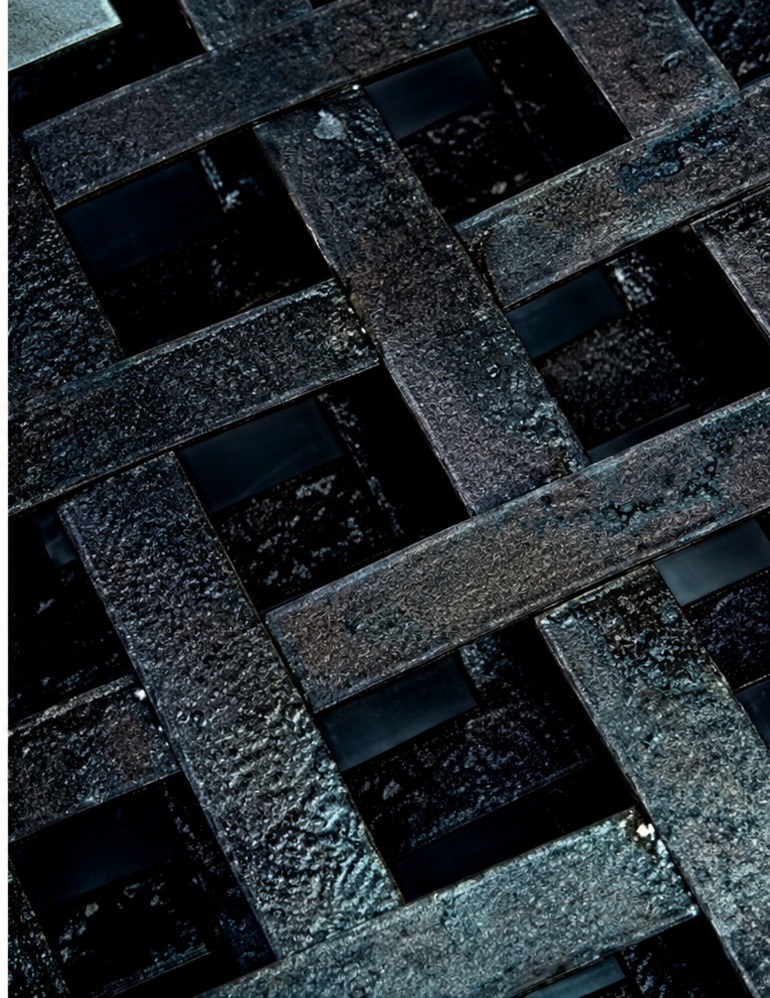
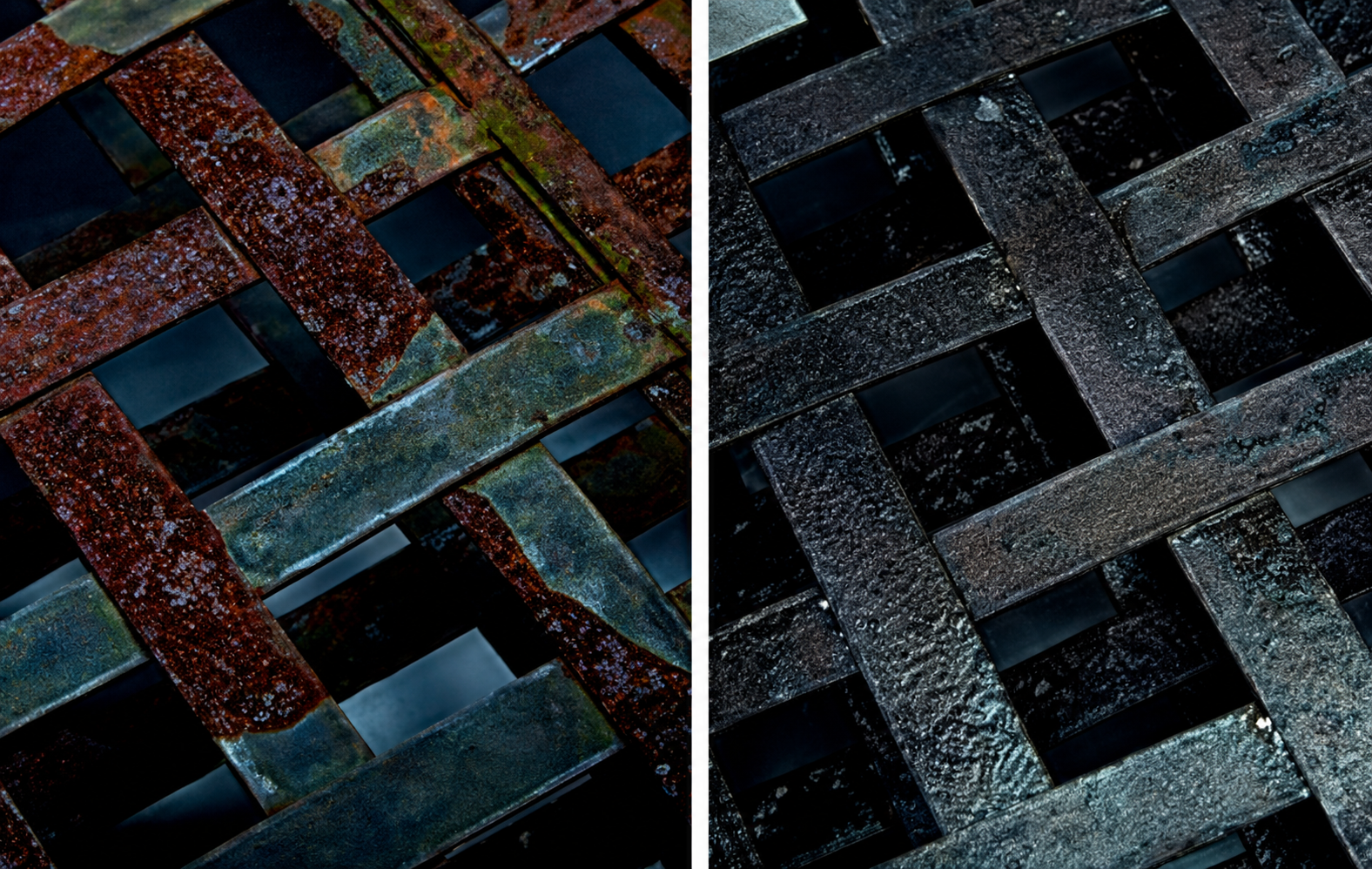
Rusted metal in, paint-ready surface out
Brush RustGuard™ over sound rust, let it cure, then paint. Images are illustrative — results depend on surface condition and preparation.
The short answer
Corrosion is the general term for metal degrading through reaction with its environment. Rust is one specific type: the oxidation of iron and its alloys, producing the familiar red-brown iron oxide. All rust is corrosion, but aluminium, copper and stainless all corrode without ever rusting — which is precisely why a rust converter works on steel and does nothing on those metals.
- Rust = iron oxide, only on iron and steel
- Corrosion = any metal degrading chemically or electrochemically
- Aluminium's white bloom and copper's green patina are corrosion, not rust
- Converters react with iron oxide specifically, which is why the metal matters
The short version
Corrosion is the general term for a metal degrading through reaction with its environment. Every metal corrodes; they just do it differently.
Rust is specifically the corrosion of iron and iron alloys — steel, cast iron, wrought iron. It produces hydrated iron oxides: the flaky orange-brown layer everyone recognises.
That layer is the problem. Aluminium's oxide is tight and self-protecting; iron's oxide is porous, bulky and holds water, so it keeps the reaction running instead of stopping it.
How different metals corrode
| Metal | What you see | Converter suitable? |
|---|---|---|
| Steel / cast iron | Orange-brown flaking rust | Yes — this is the target |
| Aluminium | White chalky powder, pitting | No |
| Copper / brass / bronze | Green or brown patina | No |
| Stainless steel | Tea staining, localised pits | No |
| Galvanised steel | White zinc salts, then red rust | Only on the red rust areas |
| Chrome plating | Blisters, then rust from the steel below | On the exposed steel only |
Types of corrosion worth recognising
- Uniform corrosion — even loss across a surface, the ordinary case
- Galvanic corrosion — two dissimilar metals in contact with an electrolyte; the less noble one goes first
- Pitting — deep localised holes, common with chlorides on stainless
- Crevice corrosion — accelerated attack in tight gaps and under washers
- Intergranular and stress corrosion — structural failures that need specialist assessment
The chemistry, in plain terms
Rust forms when iron meets oxygen and water. Iron gives up electrons, oxygen and water accept them, and the result is hydrated iron oxide — a flaky, porous solid that occupies several times the volume of the metal it replaced. That volume change is why rust lifts paint and cracks concrete, and why it does not protect the metal underneath the way some other oxides do.
Aluminium corrodes too, but its oxide is a tight, adherent, transparent layer that seals the surface and stops the reaction almost immediately. That self-limiting film is the whole reason aluminium survives outdoors untreated. Stainless steel does the same trick with chromium oxide, which is why it is stainless rather than rustless.
Copper goes green over years as it forms a carbonate patina, which is again protective. So three metals, three oxides, three completely different outcomes — and only one of them produces the loose, expanding, moisture-holding iron oxide that a converter is designed to react with.
How different metals corrode
| Metal | Corrosion product | Protective? | Rust converter? |
|---|---|---|---|
| Mild and structural steel | Red-brown iron oxide | No — flakes and expands | Yes |
| Cast and wrought iron | Red-brown iron oxide | No | Yes |
| Galvanised steel | White zinc oxide, then red rust when zinc fails | Zinc layer is sacrificial | Only on the red rust |
| Aluminium | White aluminium oxide | Yes, self-limiting | No |
| Stainless steel | Chromium oxide, invisible | Yes | No |
| Copper and brass | Green carbonate patina | Yes | No |
| Chrome plating | Pits through to steel beneath | Until it breaks | Only the exposed steel |
Types of corrosion worth being able to recognise
Knowing which one you are looking at changes what you should do about it.
- Uniform corrosion — even attack across a surface; the ordinary rusting of a gate or panel
- Pitting — small, deep holes with a sound surface around them; common with chlorides and dangerous because depth is hidden
- Crevice corrosion — accelerated attack in joints, under washers and inside laps where oxygen is depleted and water lingers
- Galvanic corrosion — two dissimilar metals in contact with an electrolyte; the less noble one corrodes fast, as with steel fasteners in aluminium
- Stress corrosion cracking — cracking under tensile stress in a corrosive environment, a specialist structural concern
- Intergranular corrosion — attack along grain boundaries, typically in poorly heat-treated stainless welds
Galvanic corrosion, the one that surprises people
Put two different metals in electrical contact with a bit of salty water between them and you have made a battery. The less noble metal corrodes preferentially, sometimes at spectacular speed. This is why steel bolts through an aluminium boat fitting turn to paste, and why a stainless screw in a mild steel bracket eats the bracket around it.
It is also the useful principle behind galvanising and sacrificial anodes: the zinc corrodes so the steel does not. Understanding that a zinc coating is being consumed on purpose explains why treating bright galvanising with a converter is pointless — you would be treating the protection, not the problem.
Practically: isolate dissimilar metals with a nylon washer, a coating or a sealant; keep the joint dry; and expect the trouble to appear at the fastener rather than in the middle of the panel.
Why the distinction matters when you buy a product
Every rust treatment on the market reacts with iron oxide. If your problem is not iron oxide, no amount of it helps, and a proportion of unhappy reviews for every converter on the market come from people who applied it to aluminium or stainless and reported, accurately, that nothing happened.
The two-second check is a magnet. If it sticks, you have ferrous metal and rust chemistry applies. If it does not, you need a different product family: etch primers for aluminium, passivation for stainless, polish or lacquer for copper and brass.
The other check is colour. Red-brown and flaky is rust. White and powdery is aluminium. Green is copper. Grey-white bloom on a galvanised surface is the zinc doing its job, and needs nothing at all.
Corrosion problems a converter cannot address
- Aluminium oxidation, including white bloom on trailers and marine fittings
- Stainless steel tea-staining and surface discolouration
- Copper, brass and bronze patina
- Galvanic corrosion at dissimilar metal joints — isolate the metals instead
- Stress corrosion cracking, which is a structural engineering matter
- Intergranular attack in stainless welds
What buyers say
Rated by people who hate sanding
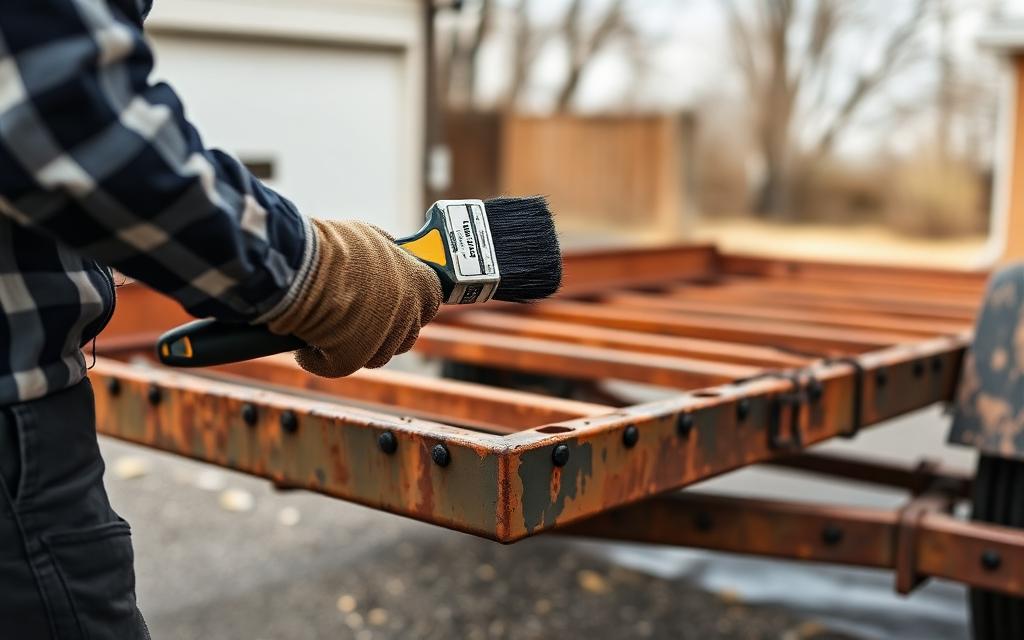
Saved my truck bed
Wire-brushed the loose scale, brushed a coat on and left it overnight. Next morning it was a flat black surface that took primer without fighting me.
Dale R. · Tucson, AZ
No more grinding for hours
I restore gates and railings. This cut my prep time in half on pitted sections where the grinder just polishes the rust around.
Marcus H. · Leeds, UK
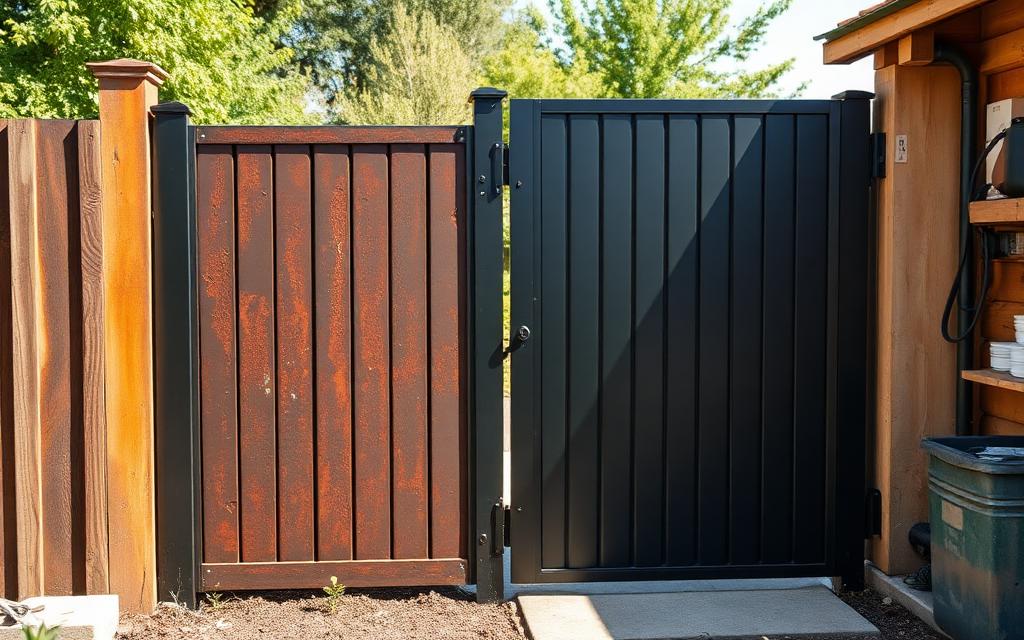
Held up through the wet season
Treated the shed roof sheets and topcoated them. Two seasons of rain later the treated panels still look the way I left them.
Janine K. · Brisbane, AU
Trailer frame looks new
Frame rails were surface-rusted everywhere. Two bottles covered the whole thing with enough left over for the tongue and jack.
Tom V. · Hamilton, ON
Simple to use
Shake, brush, wait. No mixing, no strong acid smell like the jelly products I used before.
Ricardo M. · Houston, TX
Bought the 5-pack, no regrets
Fence posts, patio furniture and a mower deck off one bundle. Ordering the workshop pack was cheaper than buying singles twice.
Ellen S. · Portland, OR
Reviews shown are illustrative sample copy while we collect verified customer feedback.
Buy with confidence
Nothing to lose but the rust
Worldwide shipping
Tracked delivery to the US, UK, Canada, Australia, EU and more. Free on 3-bottle bundles and above.
Encrypted payment
Card details are captured on a secure, encrypted checkout page. We never see or store your card number.
30-day guarantee
If RustGuard™ is not right for your project, contact support within 30 days for a refund of the product price.
No grinder needed
Brush-on chemistry designed for pitted, hard-to-reach rust where abrasives cannot get a bite.
Secure checkout
Order your RustGuard™ bundle
Pick a bundle, tap checkout — that's it. No account, no forms to fight. Your delivery address and payment are collected on the secure checkout page.
Step 1 — Choose your bundle
One bottle covers about 55 sq ft. Treating a whole vehicle, trailer or roof section? Most people need 3 or more.
Free tracked shipping unlocked
Most projects use more than they expect — the ×8 pack drops you to $9.00/bottle (you pay $11.00 now).
Step 2 — Checkout securely
Apple Pay, Google Pay and all major cards are accepted on the secure Shopify checkout — address, payment and confirmation, all in one place.
- 1Tap checkoutYour bundle is reserved in a secure cart.
- 2Pay your wayCard, Apple Pay or Google Pay — under a minute.
- 3Tracked dispatchConfirmation email instantly, packed in 1 business day.
“Ordered the 5-pack, treated the whole trailer frame and still had a bottle spare.”
Tom V. · Hamilton, ON
“Arrived tracked in five days and the brush kit saved me a trip to the store.”
Dale R. · Tucson, AZ
Reviews are illustrative while verified feedback is collected.
Frequently asked questions
Will a rust converter work on aluminium?
No. Aluminium corrosion is a different oxide with different chemistry. Use an aluminium-specific etch or cleaner.
Can stainless steel rust?
It can stain and pit, especially with chlorides or contamination from carbon steel tools. That is corrosion, but not the iron-oxide rust a converter targets.
What about galvanised steel showing orange?
Once red rust appears, the zinc has failed locally and there is iron oxide to convert. Treat those patches only.
How do I know if it is really rust?
Colour and texture: rust is orange to dark brown and flakes in layers. White powder or green patina is a different metal corroding.
What is the difference between rust and corrosion?
Corrosion is any metal degrading through reaction with its environment; rust is specifically the oxidation of iron and steel into red-brown iron oxide. All rust is corrosion, but most corrosion is not rust.
Can aluminium rust?
No. It corrodes to a white oxide, but it contains no iron so it cannot rust. That oxide is self-limiting and generally protective.
Does stainless steel rust?
It can show surface staining, particularly near chlorides or where it has been contaminated with ordinary steel particles, but it does not rust in the normal sense while its chromium oxide layer is intact.
Why does my galvanised steel have red rust?
The zinc layer has been consumed or damaged at those points and the steel underneath is now exposed. Treat the red areas and topcoat them.
What is galvanic corrosion?
Accelerated corrosion where two dissimilar metals are in contact with an electrolyte present. The less noble metal corrodes rapidly — steel fasteners in aluminium are the classic case.
Which type of corrosion is most dangerous?
Pitting and stress corrosion cracking, because both can compromise strength while the surface still looks broadly sound.
Does a rust converter work on all corrosion?
No, only on iron oxide. Magnet test first: if it does not stick, you need a different product.
Keep reading
- Rust prevention guideA practical prevention programme for vehicles, tools and outdoor steel — coatings, drainage, storage, salt management and an inspection schedule.
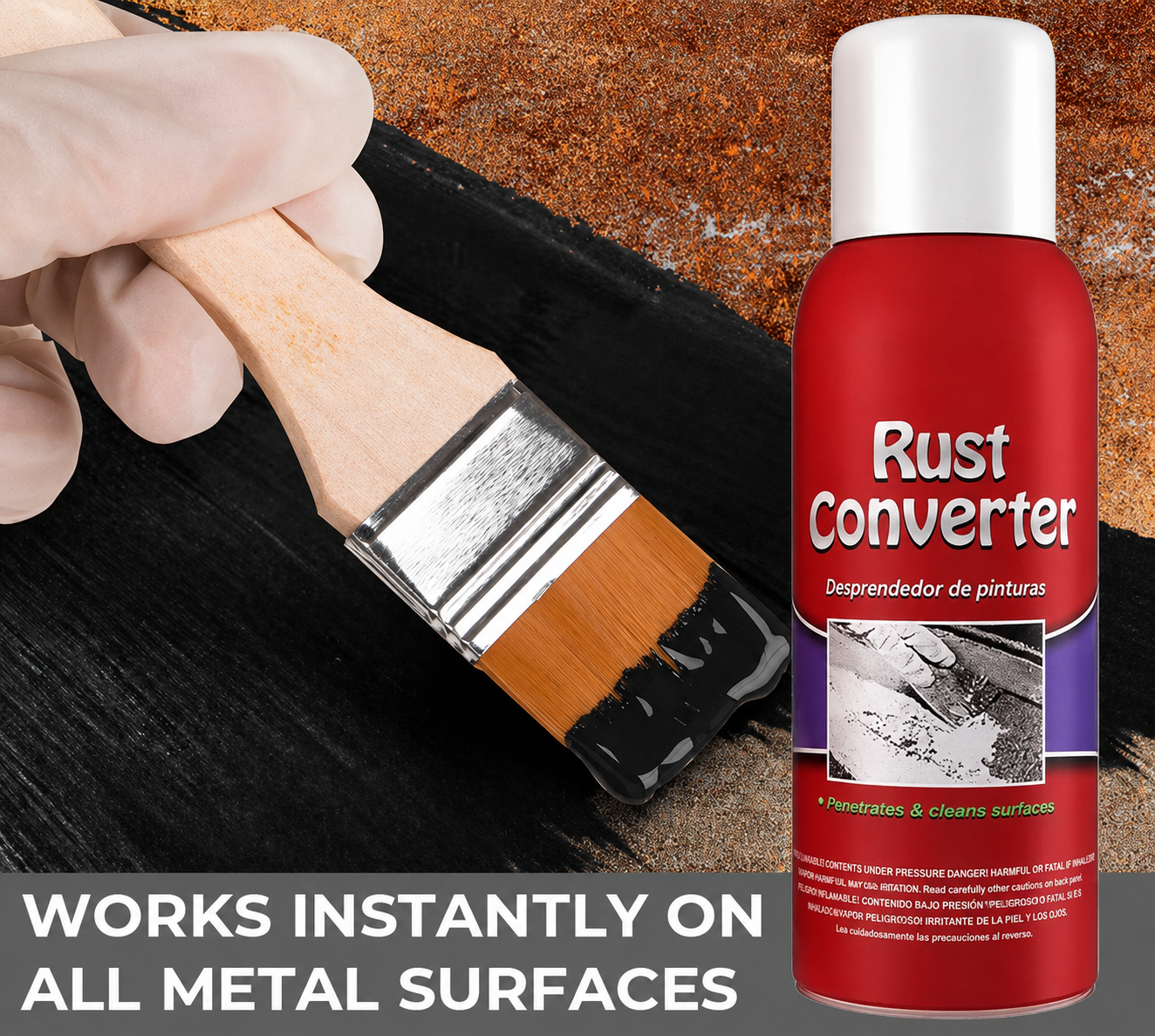
- Rust converter for iron and steel that leaves a paint-ready surfaceBrush RustGuard™ onto rusted iron or steel, convert the corrosion and topcoat in 24 hours. Bundles from $24, free shipping on 3+.
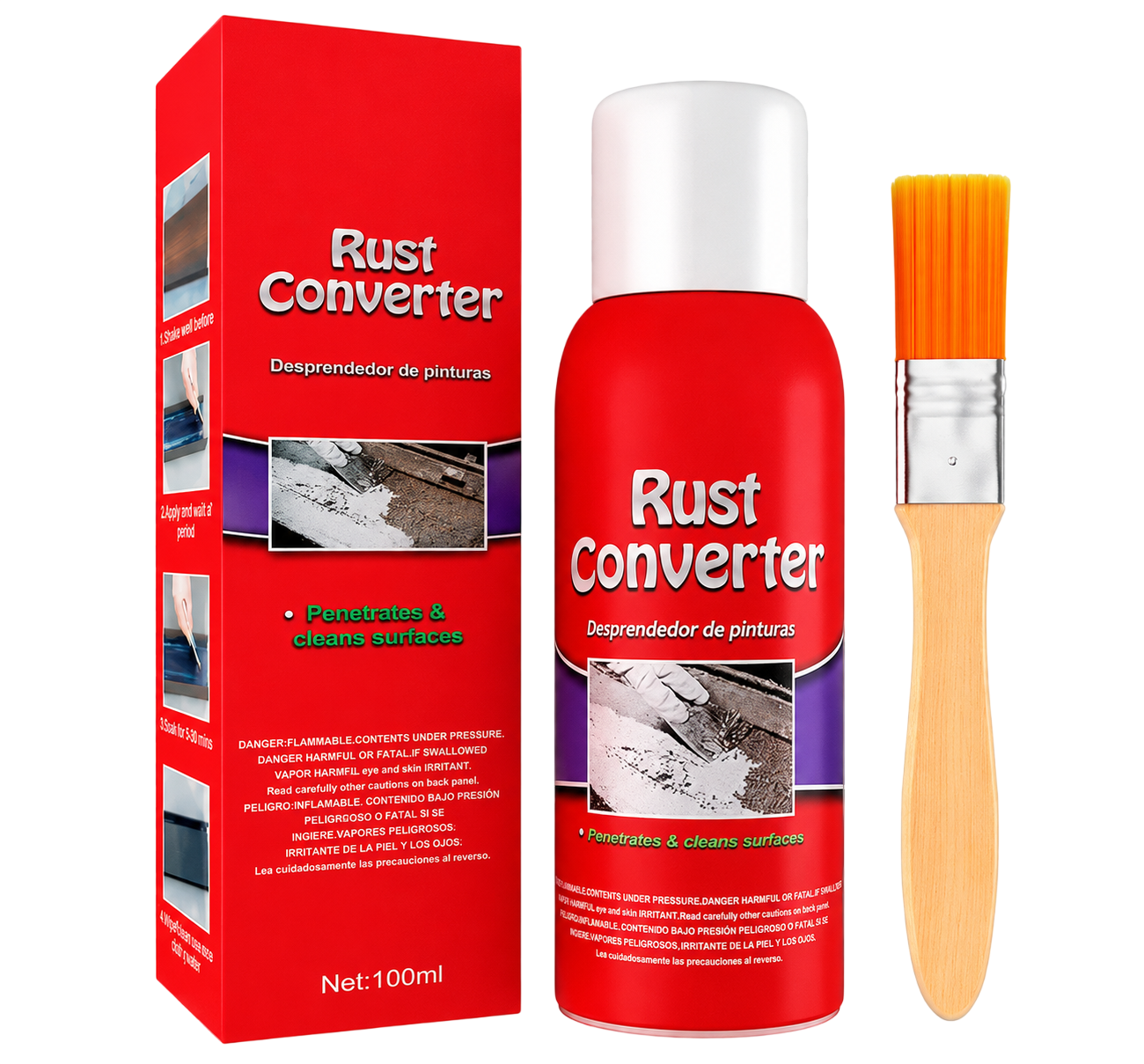
- How to remove rust from metalAbrasives, acids, electrolysis, chelation and conversion — what each rust removal method costs in time and effort, and when each one is the right call.
- Rust converter for industrial and structural steelMaintenance coating for structural steelwork, plant, tanks and handrails. Coverage planning, prep grades and topcoat systems.
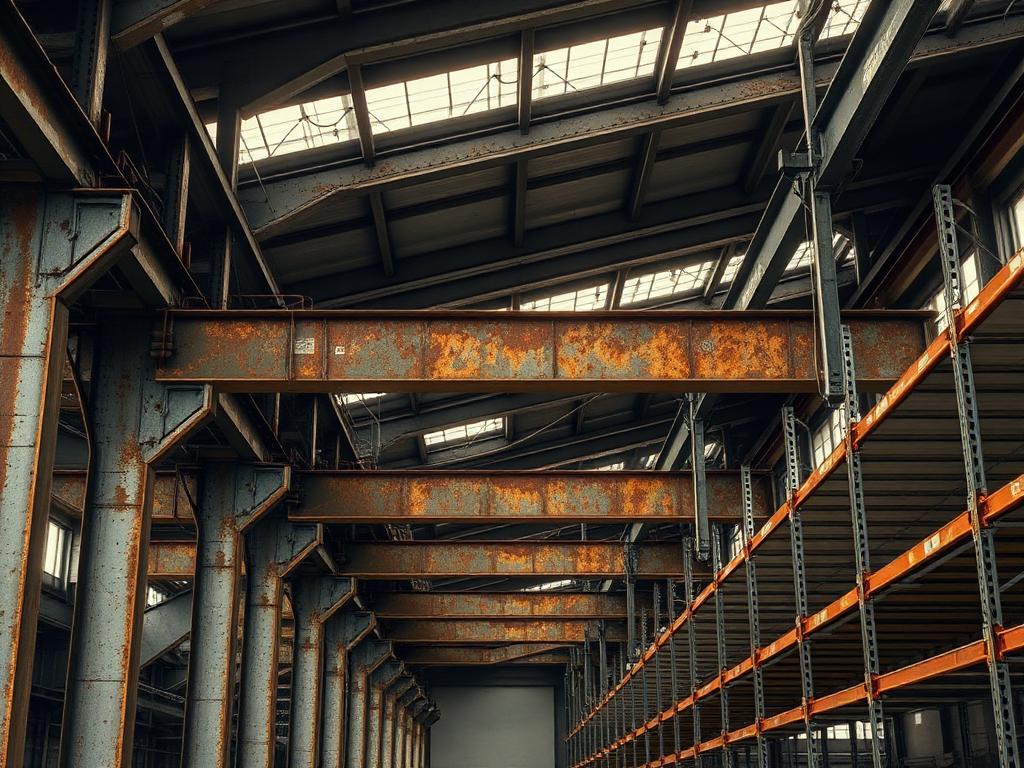
- How to stop rust from spreadingRust spreads because it holds moisture. Break the cycle with the right prep, a converter and a topcoat — plus the maintenance that stops it restarting.
Last step
Ready to stop the rust?
Ships from our US fulfilment partner, typically 3–7 business days. 30-day money-back guarantee.