Worldwide tracked shipping · Free on 3+ bottles · 30-day guarantee

Rust converter for iron and steel that leaves a paint-ready surface — United Kingdom

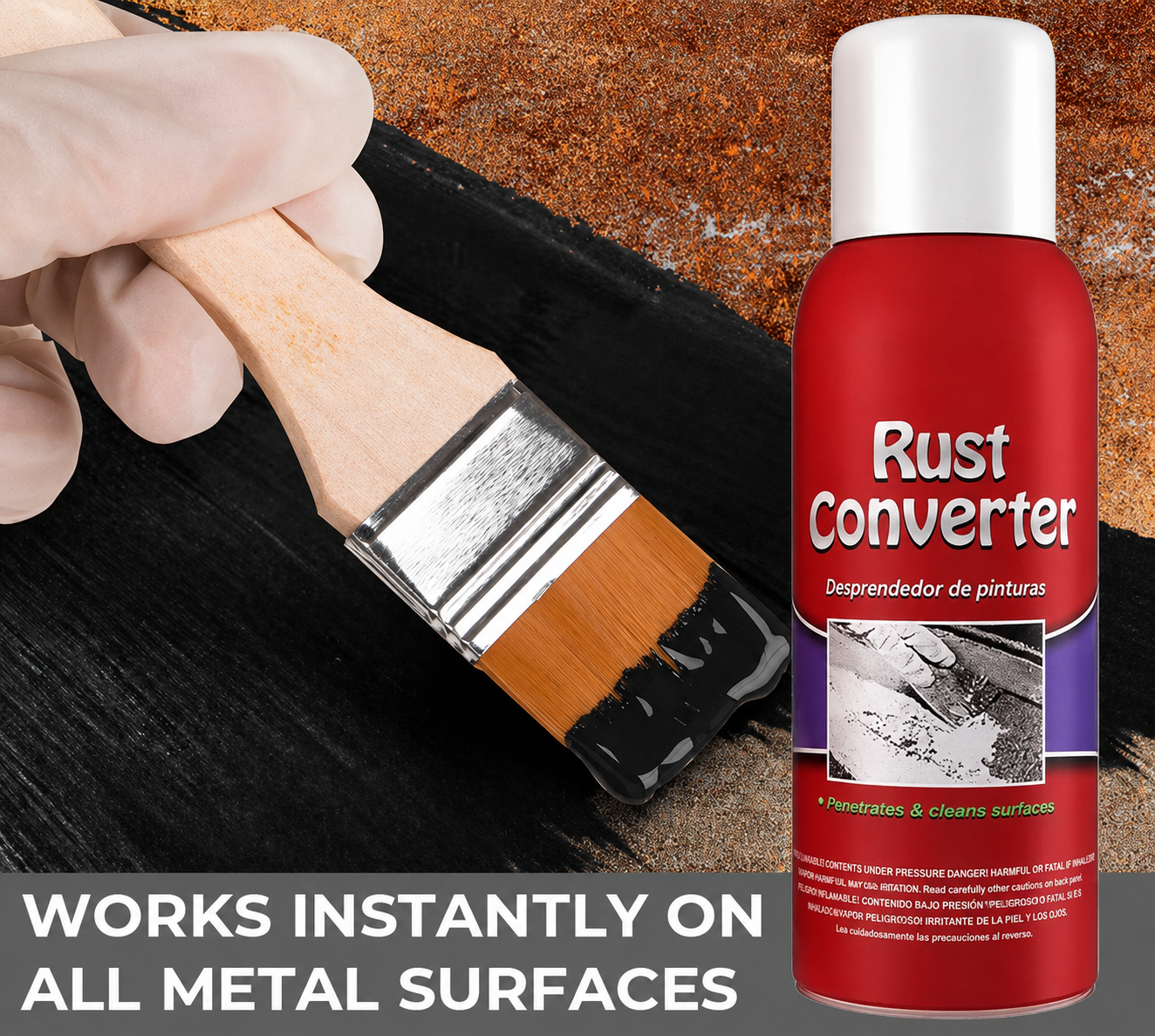
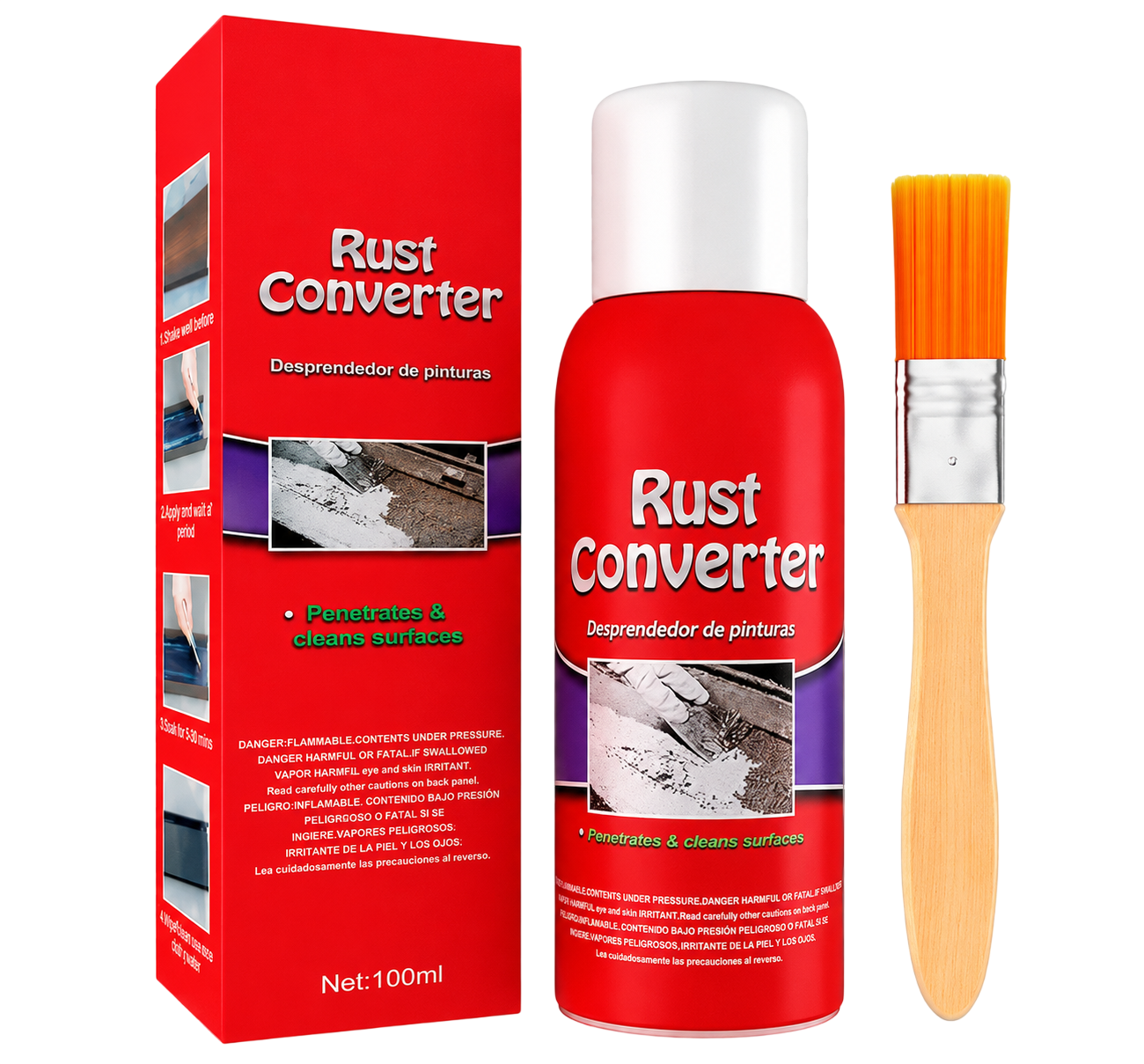
A rust converter does something a rust remover cannot: instead of stripping corrosion away, it chemically reacts with the iron oxide already on the metal and leaves behind a stable, dark, paintable layer. RustGuard™ is a brush-on water-based converter built for the jobs where sanding to bare steel is not realistic — a chassis rail, a trailer frame, a gate hinge, the underside of a mower deck. One bottle covers about 55 sq ft, dries touch-dry in under an hour, and takes topcoat after 24.

  • Brush-on formula
  • No heavy sanding
  • Paint-ready finish
Shop bundles

From $24 · free tracked shipping on 3+

Rust converter for iron and steel that leaves a paint-ready surface — United Kingdom — RustGuard™ Rust Converter

RustGuard™ Rust Converter

  • Encrypted paymentSecure, encrypted checkout
  • Tracked worldwideFree on 3+ bottle bundles
  • 30-day guaranteeMoney-back if it is not for you
  • Clear labellingCoverage and results stated honestly

Stock up & save

Choose your RustGuard™ bundle

Listed in USD and billed in USD; your bank converts to GBP at checkout.

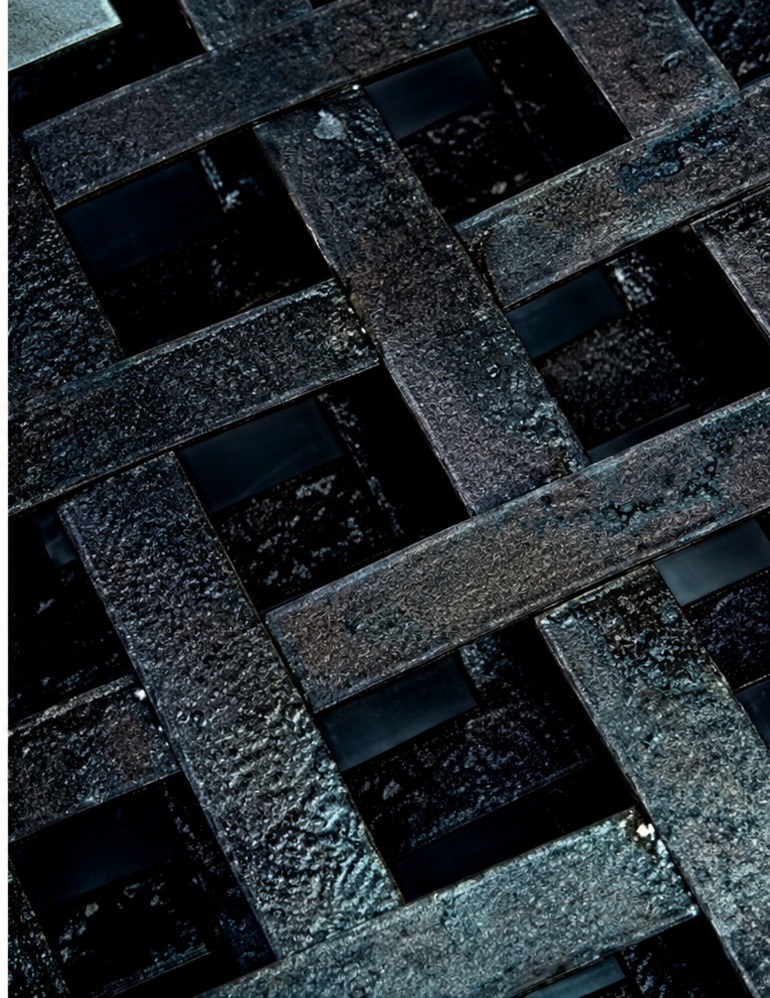
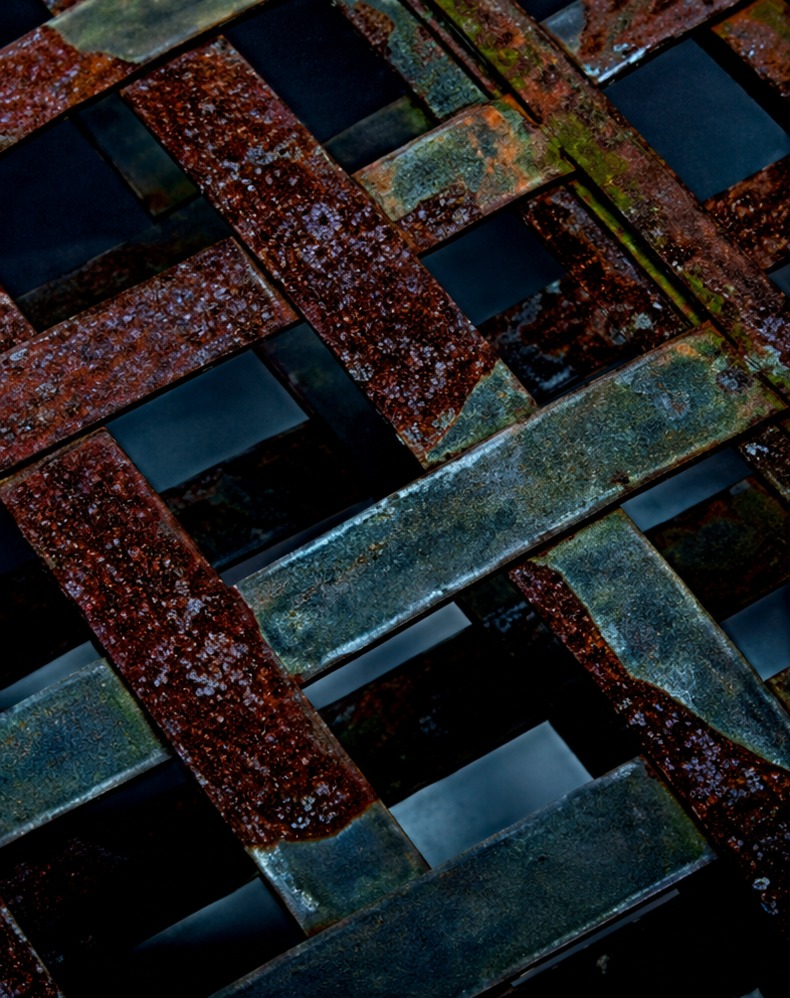
Rusted steel grating covered in orange corrosion before treatment
Before
The same steel grating with a stable dark paint-ready coating after treatment
After treatment
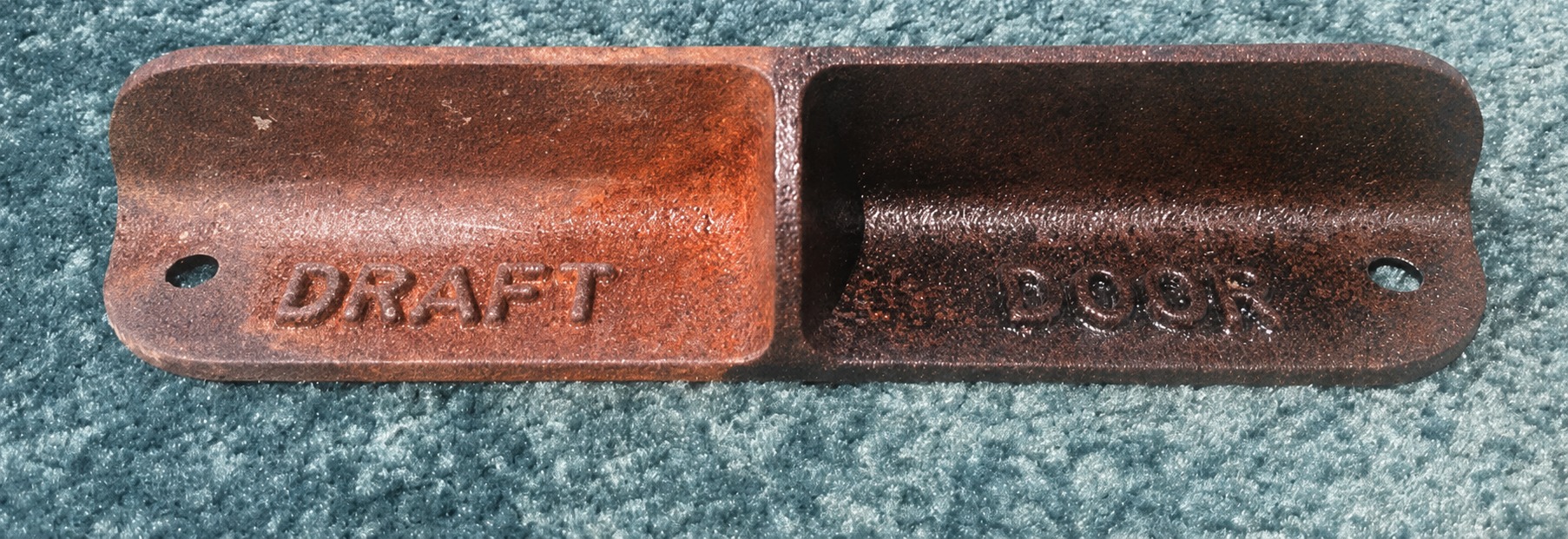
One cast iron plate photographed half rusted and half treated with RustGuard™ Rust Converter
One part, one coat: the left half is untreated rust, the right half was brushed with RustGuard™.

Rusted metal in, paint-ready surface out

Brush RustGuard™ over sound rust, let it cure, then paint. Images are illustrative — results depend on surface condition and preparation.

Find your job, then pick your pack

Most RustGuard™ orders fall into one of three jobs. Each one needs a different amount of product, so start here rather than guessing at the bundle table.

Vehicles & trailers

Vehicles & trailers

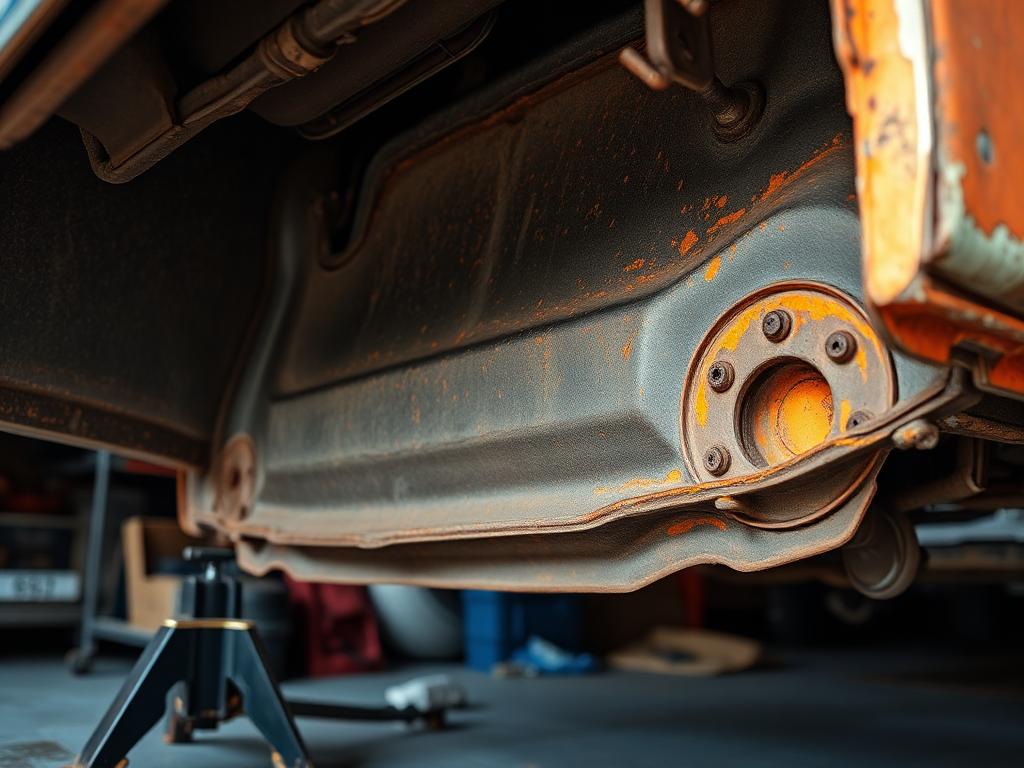
The most common job by a wide margin. Surface rust and pitting on structural steel you can only reach from underneath, where a grinder cannot get in and dust control is impossible.

Typical parts
Chassis rails, floor pans, wheel arches, sills, subframes, tow hitches, trailer decks
Usually needs
2–3 bottles
Vehicle guide
Home & property

Home & property

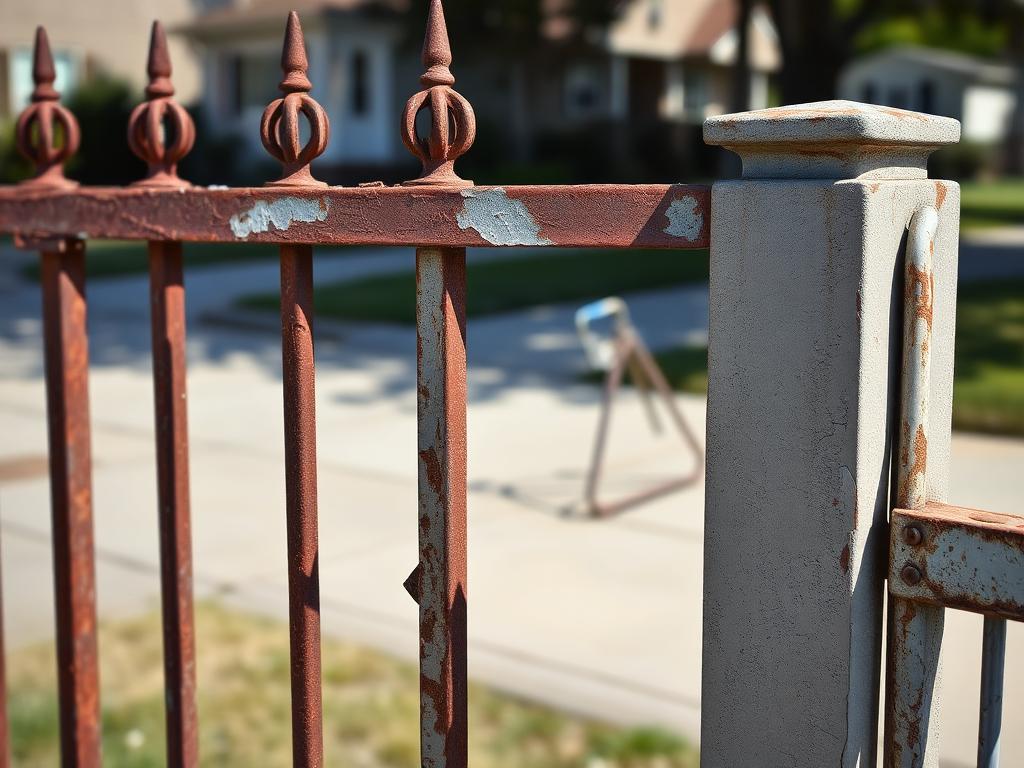
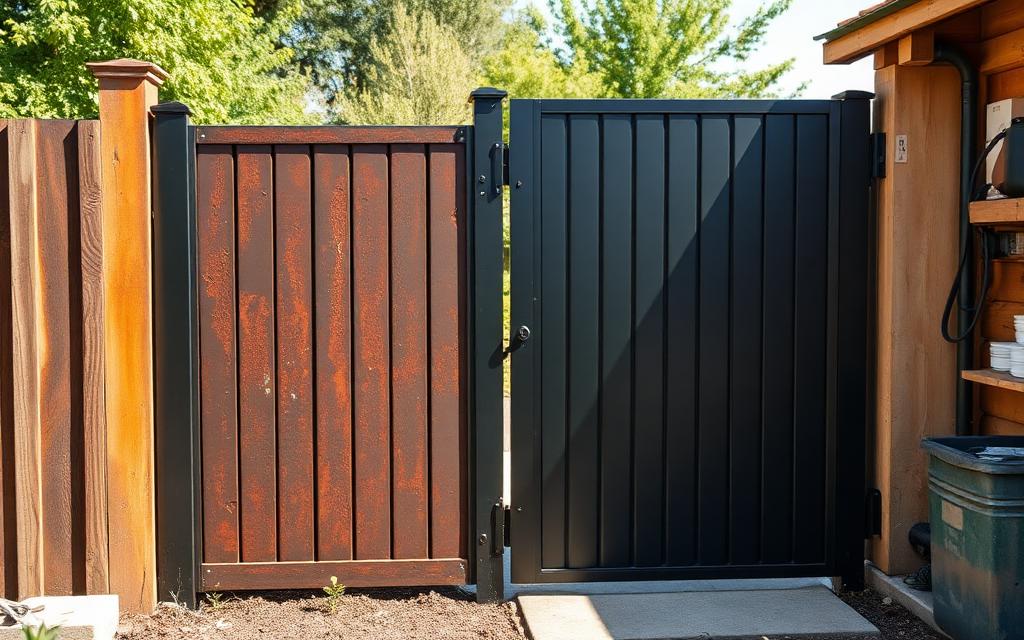
Long runs of thin, weathered steel where sanding every inch is unrealistic. Brush it on, let it turn, topcoat in your own colour and the job is done in a weekend.

Typical parts
Gates, railings, fence posts, metal roofing, gutters, patio furniture, garden tools
Usually needs
1–3 bottles
Property guide
Farm, marine & trade

Farm, marine & trade

High square footage and repeat work. The Workshop and Pro packs bring the per-bottle price down to trade level and ship free, so the cost per treated panel is predictable.

Typical parts
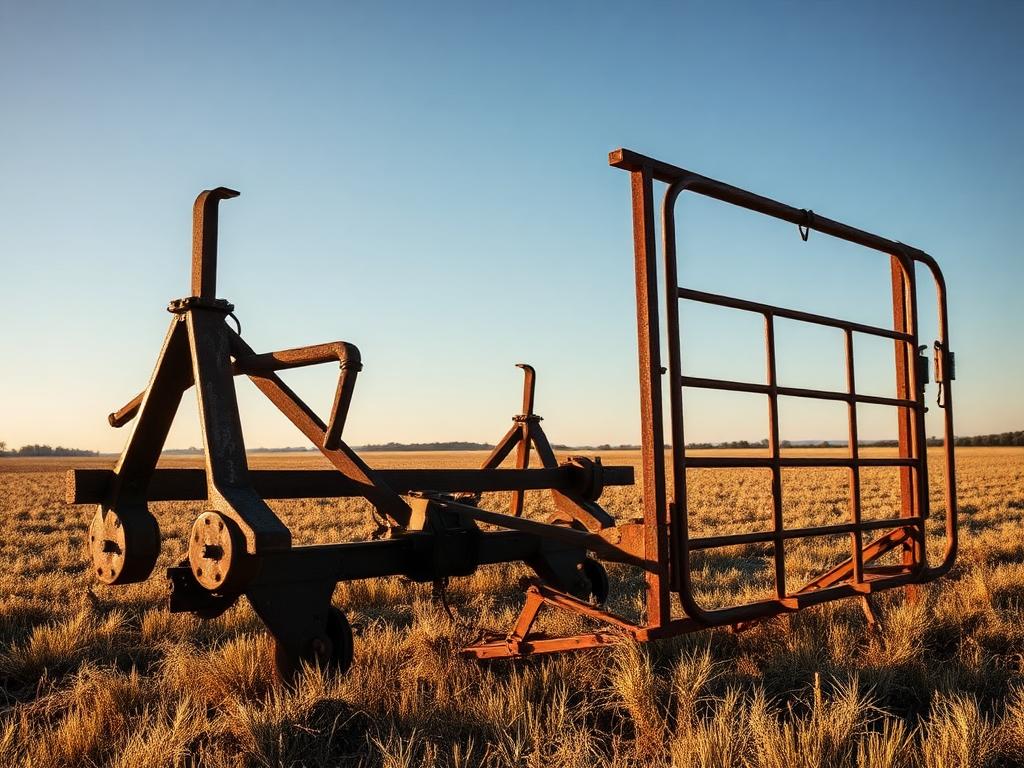
Implements, mower decks, feeders, boat trailers, structural steel, racking, plant
Usually needs
5–8 bottles
Farm & trade guide

What a rust converter actually does

Rust is iron oxide. Left alone it keeps drawing moisture and oxygen into the metal, so paint applied straight over it lifts within a season. A converter carries an acid and a polymer: the acid reacts with the oxide layer, and the polymer binds the reacted material into a film that seals the surface from the air.

The practical result is a matte black-blue coat that you can top with almost any conventional primer or topcoat once cured. You are not pretending the rust never happened — you are converting it into something inert and painting over that.

That distinction matters when you are choosing a product. A remover gives you clean bare steel and a deadline, because bare steel flash-rusts in hours. A converter gives you a primed surface and no deadline at all: once the coat has turned dark and cured, the panel can sit until you are ready to paint it.

How the reaction behaves on pitted metal

Pitting is the reason most rust repairs fail. Abrasives ride across the high points of a corroded panel and polish the surface bright while the pit floors, where the active corrosion actually lives, stay untouched. Paint then bridges over those pockets and the rust carries on underneath until it blisters through again.

A liquid converter goes the other way. It wicks into the pits, reacts with the oxide it finds there and cures into a plug of stable material. That is why the finished surface looks flat and even rather than speckled, and why a second coat on deeply pitted steel is worth the extra few hours.

You can see the reaction working. Within 15–30 minutes the treated area darkens from orange-brown to blue-black. Patches that stay orange are telling you something specific: either there is oil or wax still on the metal, or there was no rust there to convert in the first place.

RustGuard™ at a glance

Type
Water-based rust converter and primer in one
Coverage
Approx. 55 sq ft (5 m²) per bottle on light-to-moderate rust
Touch dry
20–40 minutes at 70°F / 21°C
Recoat window
3–4 hours for a second coat
Paint over after
24 hours
Application
Brush, roller or foam applicator
Working temperature
50–95°F / 10–35°C, out of direct rain
Suitable substrates
Rusted iron, mild steel, cast iron, galvanised steel with surface rust
Not suitable for
Aluminium, stainless, copper, brass, or metal with no rust at all
Clean-up
Warm water and detergent while wet
Shelf life
About 2 years unopened, above freezing

How to use it

  1. 01

    Knock off the loose stuff

    Wire brush or scrape away flaking scale and blistered paint. You are not aiming for bare metal — just a surface where nothing lifts when you drag a brush across it.

  2. 02

    Degrease and dry

    Oil, wax and road film block the reaction. Wipe with a detergent solution or degreaser, rinse, and let the panel dry completely.

  3. 03

    Brush on an even coat

    Shake well and work it into the pitting. Thin and even beats thick and pooled — a heavy coat skins over before the reaction finishes underneath.

  4. 04

    Wait, then recoat if needed

    Deep or heavily pitted rust benefits from a second coat once the first has turned dark, usually after a few hours.

  5. 05

    Paint after 24 hours

    The converted layer acts as a primer. Top it with your enamel, chassis paint or acrylic for UV and abrasion protection.

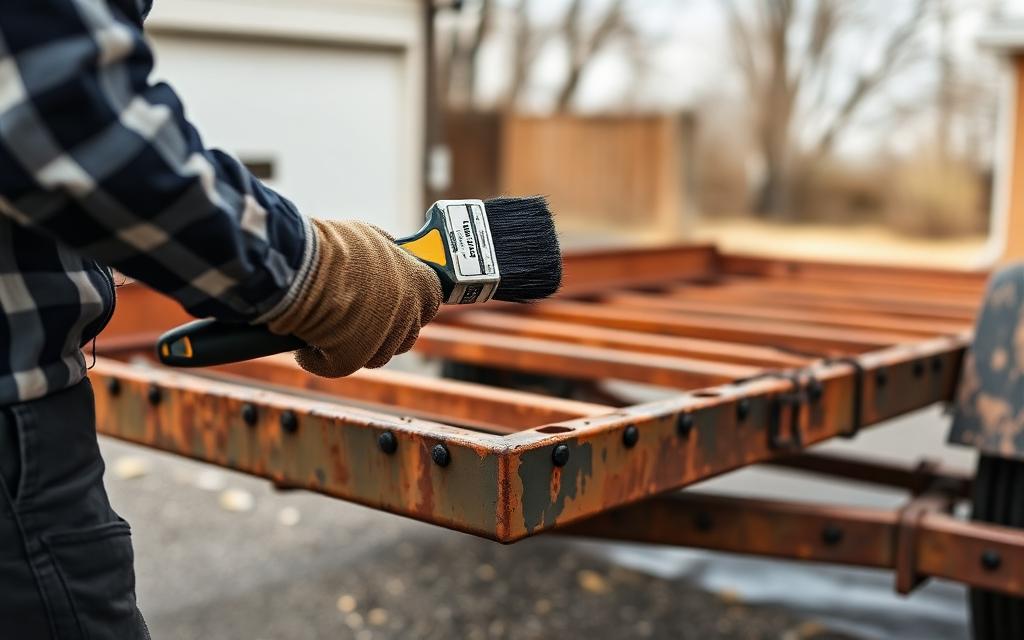
Brushing RustGuard rust converter onto a corroded steel surface
Brush-on application into pitted steel. Illustrative image.

Buy with confidence

Nothing to lose but the rust

  • Worldwide shipping

    Tracked delivery to the US, UK, Canada, Australia, EU and more. Free on 3-bottle bundles and above.

  • Encrypted payment

    Card details are captured on a secure, encrypted checkout page. We never see or store your card number.

  • 30-day guarantee

    If RustGuard™ is not right for your project, contact support within 30 days for a refund of the product price.

  • No grinder needed

    Brush-on chemistry designed for pitted, hard-to-reach rust where abrasives cannot get a bite.

Secure checkout

Order your RustGuard™ bundle

Pick a bundle, tap checkout — that's it. No account, no forms to fight. Your delivery address and payment are collected on the secure checkout page.

Step 1 — Choose your bundle

One bottle covers about 55 sq ft. Treating a whole vehicle, trailer or roof section? Most people need 3 or more.

Free tracked shipping unlocked

Most projects use more than they expect — the ×8 pack drops you to $9.00/bottle (you pay $11.00 now).

Step 2 — Checkout securely

Apple Pay, Google Pay and all major cards are accepted on the secure Shopify checkout — address, payment and confirmation, all in one place.

  1. 1Tap checkoutYour bundle is reserved in a secure cart.
  2. 2Pay your wayCard, Apple Pay or Google Pay — under a minute.
  3. 3Tracked dispatchConfirmation email instantly, packed in 1 business day.
  • “Ordered the 5-pack, treated the whole trailer frame and still had a bottle spare.”

    Tom V. · Hamilton, ON

  • “Arrived tracked in five days and the brush kit saved me a trip to the store.”

    Dale R. · Tucson, AZ

Reviews are illustrative while verified feedback is collected.

Convert it, or cut it out? A decision tree

Chemistry cannot replace steel that is no longer there. Work down this list and stop at the first line that matches the panel in front of you.

  1. 01

    Orange bloom or a light film

    Convert. Degrease, one coat, topcoat after 24 hours. This is the easiest case and a single bottle goes a long way.

  2. 02

    Rough, scaly rust that flakes when brushed

    Convert, after prep. Take the flakes off with a wire brush or a wire cup on a drill, then apply two coats and give the pitting time to react.

  3. 03

    Deep pitting you can feel with a fingernail

    Convert with two coats, then use a high-build primer or filler over the cured film to level the surface before painting.

  4. 04

    Layered, delaminating rust

    Remove the loose layers first. Anything you can lever off with a scraper must come off, or the converted film sits on material that will detach later.

  5. 05

    Soft spots, or a screwdriver goes through

    Do not convert. That section needs cutting out and patching or welding. Converter on perforated steel hides a structural problem instead of fixing it.

  6. 06

    No rust at all, bare or painted metal

    Do not use a converter — there is nothing to react with. Use a conventional etch or self-etch primer instead.

Temperature, humidity and timing

The reaction is water-carried, so it needs the water to leave at a sensible rate. Below 50°F / 10°C the film takes far longer to cure and can stay soft; above 95°F / 35°C, or on steel sitting in direct summer sun, the surface skins before the acid has finished working underneath. Early morning shade or a garage floor beats a hot driveway at midday.

High humidity slows drying but does not spoil the result. Rain within the first few hours does — it will wash an uncured coat straight off. Give yourself a dry window of at least four hours, and if the forecast is against you, work under cover and let airflow do the rest.

In a cold workshop, warm the panel rather than the room if you can. Steel that is above dew point takes the coat evenly; a cold panel in a warm room collects condensation and the film goes patchy.

What you can paint over the cured film

The converted layer behaves as a primer. Test a small area first whenever you are combining it with a coating you have not used over a converter before.

TopcoatCompatibleNotes
Oil-based enamelYesThe most forgiving choice for gates, railings and implements
Chassis / underbody paintYesIdeal over vehicle frames; apply after the full 24 hours
Acrylic and latexYesFine once fully cured; two thin coats beat one heavy one
Aerosol rattle-canYesKeep the can moving; heavy wet coats can lift a young film
Epoxy primerYes, with careExcellent durability — give the converter a full 24–48 hours first
Powder coatingNoOven cure and the pre-bake blast will destroy the converted layer
Cellulose / lacquer thinnersNoThe solvent attacks the film; strip and prime conventionally instead

Mistakes that cause a converter to fail

Almost every disappointing result traces back to one of these six things rather than to the product itself.

  • Skipping the degrease — oil, wax or silicone leaves orange patches that never convert
  • Applying it thick, so the surface skins and the reaction underneath stalls
  • Painting too early, before the film has had its full 24 hours
  • Treating loose, flaking scale without brushing it off first
  • Using it on aluminium, stainless or bare metal where there is no oxide to react with
  • Leaving the cured film bare outdoors — it is a primer, and UV will chalk it over time

Coverage in the real world: three worked jobs

Coverage is the single most common pre-purchase question, so here are three concrete jobs at the stated 55 sq ft per bottle. A 6 ft × 4 ft garden gate, both faces plus the frame, comes to roughly 55–60 sq ft — one bottle, with a little in reserve for hinges and the latch.

A single-axle utility trailer — frame rails, crossmembers, tongue, fenders and the underside of the deck — works out around 110–130 sq ft once you account for two coats on the rails that take the most spray from the road. That is the 3-bottle Project Pack, which is also the point where shipping becomes free.

A pickup chassis with surface rust along both rails, the crossmembers and the inside of the arches lands between 200 and 260 sq ft with a second coat on the worst sections. The 5-bottle Workshop Pack covers it and leaves you a spare bottle, which is usually the right call: running out halfway under a vehicle is a far more expensive mistake than one extra bottle.

If your job is not on this list, put the measurements into the calculator below — it applies the same 55 sq ft per bottle figure and rounds to whole bottles.
How many bottles do you need?

Rust condition

Area

100 sq ft

Bottles needed

3

Recommended bundle

×3 — $42

Based on up to 55 sq ft per bottle on smooth steel, adjusted for surface condition. Estimates only — measure generously.

Why converters win

RustGuard™ vs the old ways

Comparison of rust treatment methods
MethodRustGuard™Grinding / sandingNaval jellyPaint straight over rust
Works on pitted rust you cannot reachPartly
No power tools required
Leaves a paint-ready surfaceAfter priming
Stops the treated rust spreading
Low dust, low mess
Cost for a 100 sq ft panelFrom $24Discs + hours$$Repaint yearly

Read the detail: rust converter vs naval jelly · converter vs remover · how to choose one

Converter vs the alternatives

ApproachRemoves rustLeaves paintable filmEffort
RustGuard™ converterNo — converts itYesLow: brush and wait
Sanding / grindingYesNo, needs primerHigh, and dust everywhere
Acid rust removerYesNo, flash-rusts fastMedium, needs neutralising
Paint straight over rustNoTemporarilyLow, fails fast

What buyers say

Rated by people who hate sanding

4.8Illustrative average across 1,200+ orders
  • Saved my truck bed

    Wire-brushed the loose scale, brushed a coat on and left it overnight. Next morning it was a flat black surface that took primer without fighting me.

    Customer photo of metal treated with RustGuard™ Rust Converter shared by Dale R.

    Dale R. · Tucson, AZ

  • No more grinding for hours

    I restore gates and railings. This cut my prep time in half on pitted sections where the grinder just polishes the rust around.

    Marcus H. · Leeds, UK

  • Held up through the wet season

    Treated the shed roof sheets and topcoated them. Two seasons of rain later the treated panels still look the way I left them.

    Customer photo of metal treated with RustGuard™ Rust Converter shared by Janine K.

    Janine K. · Brisbane, AU

  • Trailer frame looks new

    Frame rails were surface-rusted everywhere. Two bottles covered the whole thing with enough left over for the tongue and jack.

    Tom V. · Hamilton, ON

  • Simple to use

    Shake, brush, wait. No mixing, no strong acid smell like the jelly products I used before.

    Ricardo M. · Houston, TX

  • Bought the 5-pack, no regrets

    Fence posts, patio furniture and a mower deck off one bundle. Ordering the workshop pack was cheaper than buying singles twice.

    Ellen S. · Portland, OR

Reviews shown are illustrative sample copy while we collect verified customer feedback.

Where people use RustGuard™ most

  • Vehicle chassis, floor pans, wheel arches and suspension components
  • Trailer frames, tow hitches, ramps and tie-down points
  • Gates, railings, fence posts and balustrades
  • Garden and workshop tools, vices, clamps and hand tools
  • Farm implements, mower decks, feeders and gate latches
  • Corrugated metal roofing, gutters and flashing

Storage, safety and disposal

Store bottles upright above freezing and out of direct sun; unopened they keep for about two years. Once opened, wipe the neck, close it tightly and use it within a few months — air exposure, not time on the shelf, is what ages a converter.

Wear nitrile gloves and eye protection. It is water-based and low-odour rather than a fuming acid, but it is still mildly acidic: rinse skin contact with water and keep it off glass, chrome and paint you intend to keep. Work in ventilated space and cover anything below the panel you are treating.

Do not tip leftovers down a drain. Brush out the remainder onto scrap steel or cardboard, let it dry, and dispose of the solid waste with household waste in line with your local rules. Rinse brushes in warm soapy water while the product is still wet.

Shipping to United Kingdom

  • Tracked delivery across England, Scotland, Wales and Northern Ireland, typically 5–10 business days.
  • Listed in USD and billed in USD; your bank converts to GBP at checkout.
  • Free tracked shipping on bundles of 3 bottles and above.
  • 30-day money-back guarantee from the date of delivery.

Frequently asked questions

Does rust converter work on heavy rust?

It works best on light-to-moderate surface rust and pitting. If the metal has flaked into layers or perforated, remove the loose scale first — and if you can push through the panel, that section needs metal, not chemistry.

Do I have to paint over it?

For anything exposed to sun or weather, yes. The converted layer is stable but it is a primer, not a topcoat, and UV will chalk it over time.

Will it work on aluminium or stainless?

No. The reaction needs iron oxide. On non-ferrous metal there is nothing for the converter to convert.

Can I spray it instead of brushing?

You can, through an HVLP or a basic garden-type sprayer, but brushing is more reliable because it works the liquid into the pitting. If you do spray, follow with a brush over heavily pitted areas.

Will it work through existing paint?

No — it has to touch the rust. Feather back the blistered paint to the point where it is solidly attached, treat the exposed rust, then blend your topcoat over the repair.

Does it stop the rust coming back?

It stops the rust it converts. Bare, untreated metal next to the repair can still corrode, and any coating will eventually fail if it is chipped through to steel, so topcoat the treated area and check it once a season.

How many bottles do I need for a car or trailer chassis?

Around 2–3 bottles for a trailer or a small car, and 5 for a pickup or 4x4 chassis where the rails need two coats. The calculator on this page will size it from your own measurements.

How long does one bottle last on the shelf?

Unopened and stored above freezing, roughly two years. Once opened, close it tightly and use it within a few months — air exposure is what ages it.

How fast does it ship, and what does shipping cost?

Orders are tracked worldwide, typically 3–7 business days in the US and 5–12 internationally. Shipping is free on 3-bottle bundles and above; smaller orders pay a flat rate shown at checkout before you pay.

What if it does not work for me?

There is a 30-day money-back guarantee. Email us from the address on your order and we will refund it — we would rather do that than have you fight a product that was wrong for your job.

Last step

Ready to stop the rust?

Tracked delivery across England, Scotland, Wales and Northern Ireland, typically 5–10 business days. 30-day money-back guarantee.