- Encrypted paymentSecure, encrypted checkout
- Tracked worldwideFree on 3+ bottle bundles
- 30-day guaranteeMoney-back if it is not for you
- Clear labellingCoverage and results stated honestly
Stock up & save
Choose your RustGuard™ bundle
Prices in USD. Free tracked shipping on 3-bottle bundles and above.
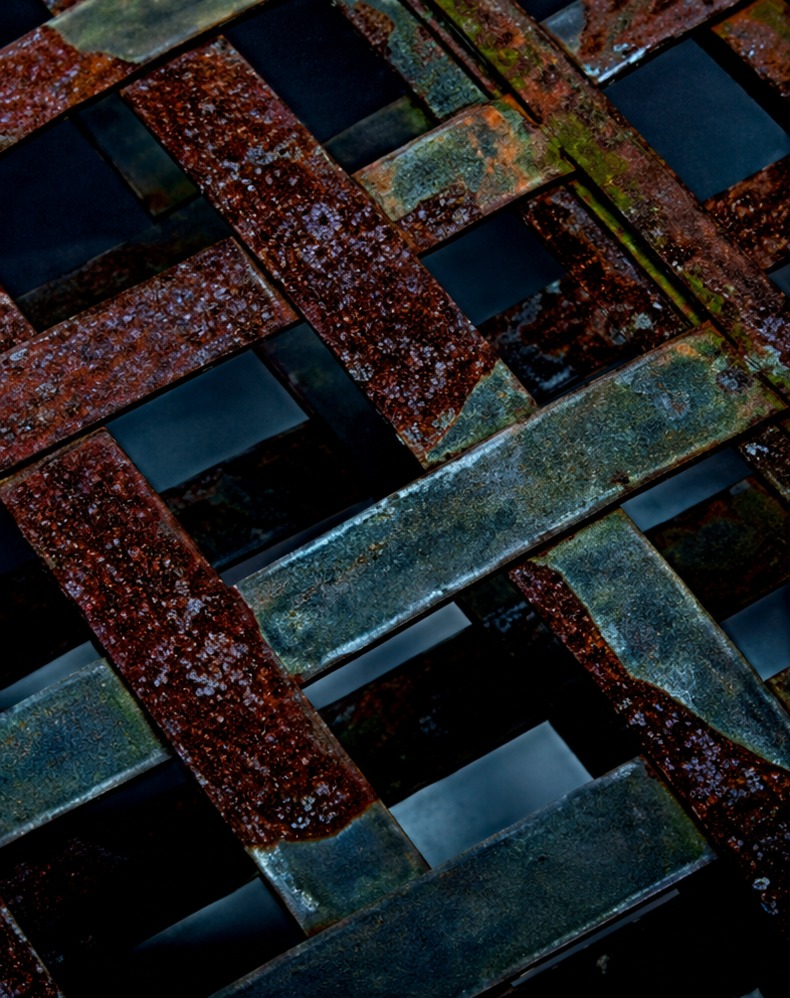
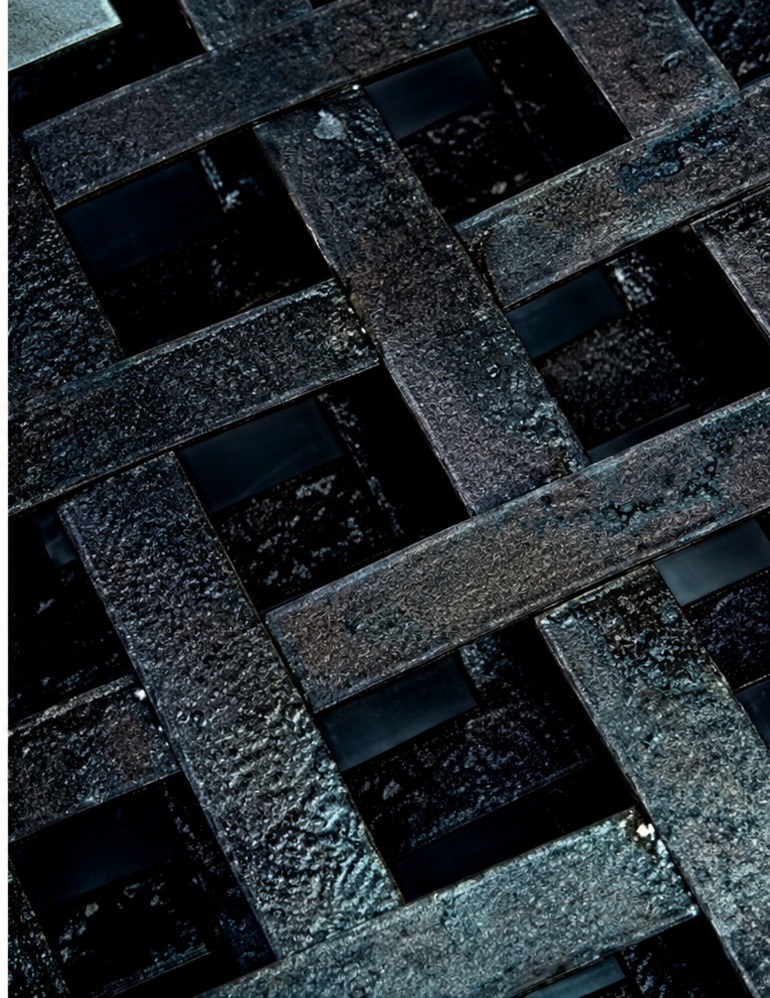
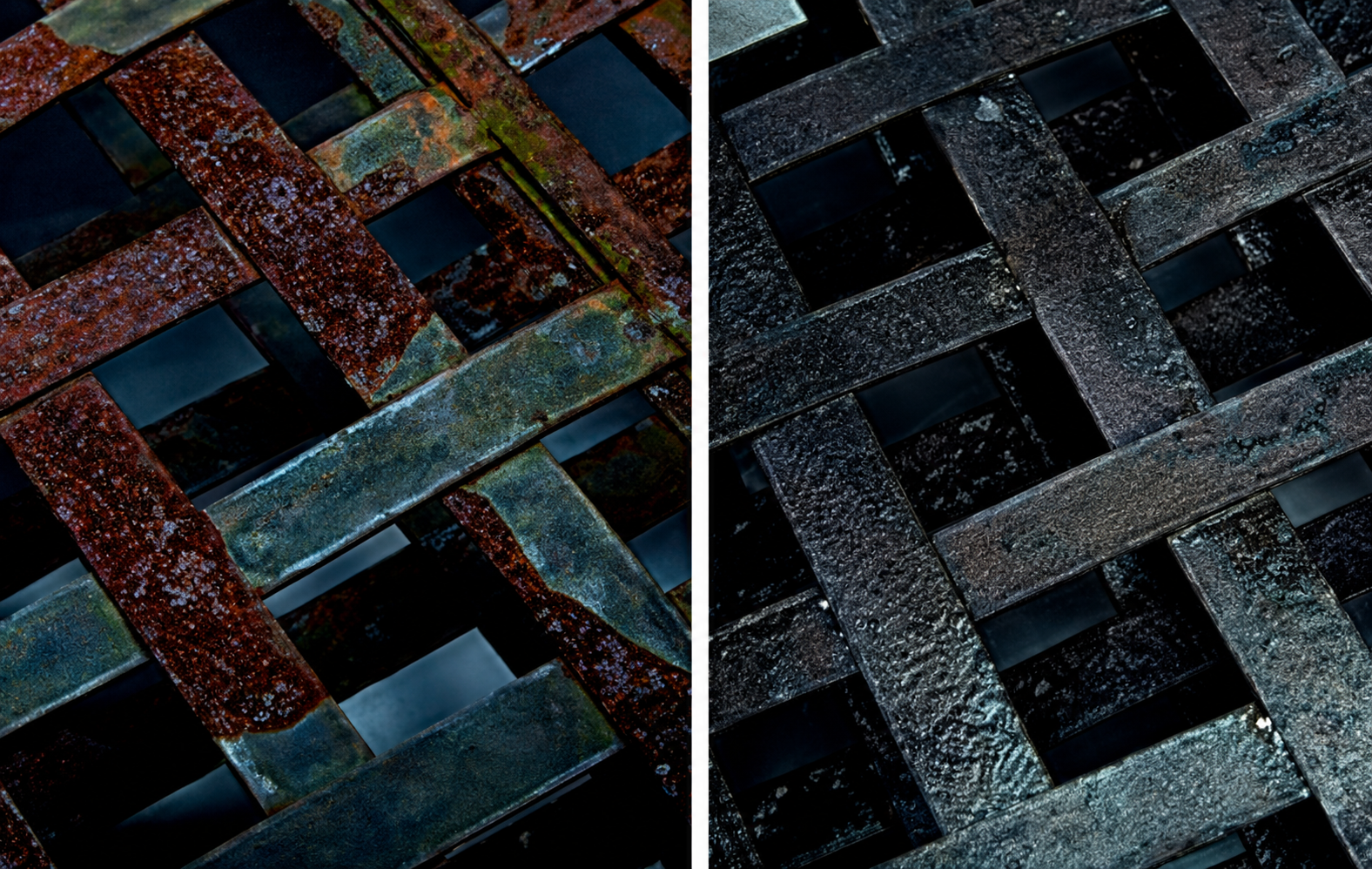
Rusted metal in, paint-ready surface out
Brush RustGuard™ over sound rust, let it cure, then paint. Images are illustrative — results depend on surface condition and preparation.
The short answer
Exposed rebar in spalled concrete is a genuine converter job, but only after you have cut back to sound concrete and cleaned the steel properly. Break out the loose concrete to at least 25 mm behind the bar, wire-brush or needle-gun the rebar all round, brush two coats of converter over the full circumference, cure, then patch with a repair mortar. If a bar has lost significant section, it needs an engineer, not a coating.
- Break out to sound concrete and clear at least 25 mm behind the bar
- Coat the full circumference, including the hidden back face
- Two coats, cured, before any repair mortar goes on
- Section loss over roughly 20 per cent is a structural question, not a DIY one
Where rust shows up first
The areas worth checking before you order.
- Exposed reinforcement in spalled beams, columns and soffits
- Balcony and walkway edge reinforcement
- Lintels and window head reinforcement
- Retaining wall and parapet reinforcement
- Embedded steel fixings, cramps and lintel bearings
- Precast panel reinforcement at damaged corners
Step-by-step on this job
- 01
Break out to sound concrete
Cut back beyond the damage, undercutting the edges so the repair mortar keys in properly.
- 02
Clean the reinforcement
Needle gun or wire brush the bar on all sides, including the back face. Loose scale left behind guarantees a repeat failure.
- 03
Assess the steel
Measure remaining diameter. Significant loss means supplementary reinforcement, designed by an engineer.
- 04
Convert the bar
Brush the converter over the full circumference of the exposed steel and let it cure.
- 05
Reinstate per the mortar system
Apply the specified bonding primer and repair mortar, then match the surface finish.
What not to do
The cautions that save a re-do.
- Section loss in reinforcement is a structural matter — get an engineer's assessment
- Break out concrete until you reach sound material behind and around the steel
- The converter is not a bonding agent; use the repair mortar's own primer system as specified
- Follow the mortar manufacturer's instructions where they conflict with general guidance
Typical quantities
A starting point based on the jobs customers order for most often.
| Job | Bottles |
|---|---|
| Small spall repair, one lintel | 1 bottle covers several |
| Balcony edge, 10 ft run | 1 bottle |
| Column repairs, several locations | 2 bottles |
| Walkway soffit, large area | 3 bottles |
| Multi-unit remedial programme | 5–8 bottles |
Work out your exact quantity
Area
100 sq ft
Bottles needed
3
Recommended bundle
×3 — $42
Based on up to 55 sq ft per bottle on smooth steel, adjusted for surface condition. Estimates only — measure generously.
Why converters win
RustGuard™ vs the old ways
| Method | RustGuard™ | Grinding / sanding | Naval jelly | Paint straight over rust |
|---|---|---|---|---|
| Works on pitted rust you cannot reach | Partly | |||
| No power tools required | ||||
| Leaves a paint-ready surface | After priming | |||
| Stops the treated rust spreading | ||||
| Low dust, low mess | ||||
| Cost for a 100 sq ft panel | From $24 | Discs + hours | $$ | Repaint yearly |
Read the detail: rust converter vs naval jelly · converter vs remover · how to choose one
What buyers say
Rated by people who hate sanding
Saved my truck bed
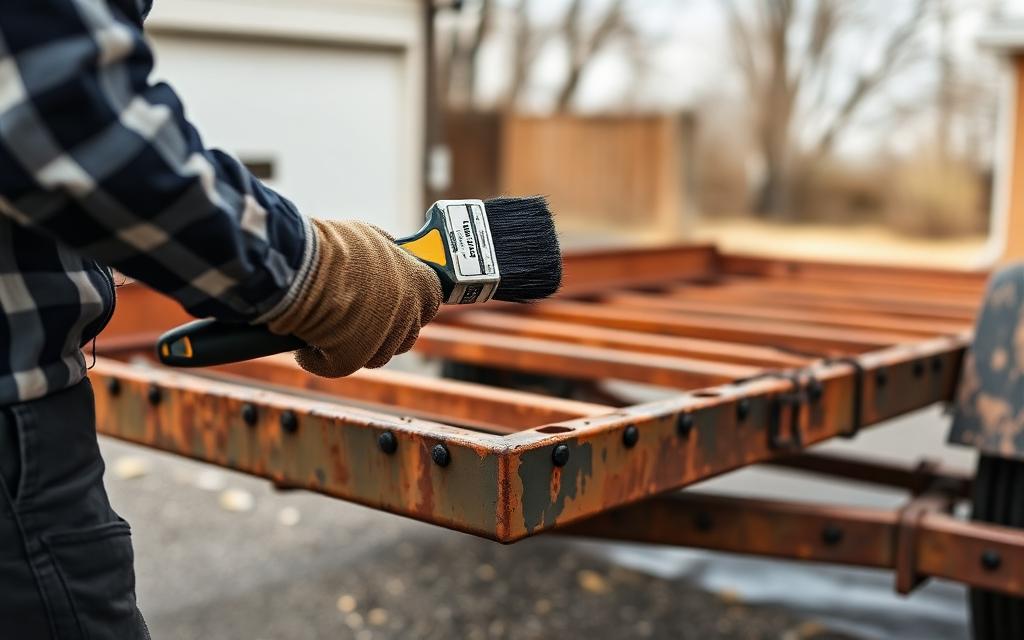
Wire-brushed the loose scale, brushed a coat on and left it overnight. Next morning it was a flat black surface that took primer without fighting me.
Dale R. · Tucson, AZ
No more grinding for hours
I restore gates and railings. This cut my prep time in half on pitted sections where the grinder just polishes the rust around.
Marcus H. · Leeds, UK
Held up through the wet season
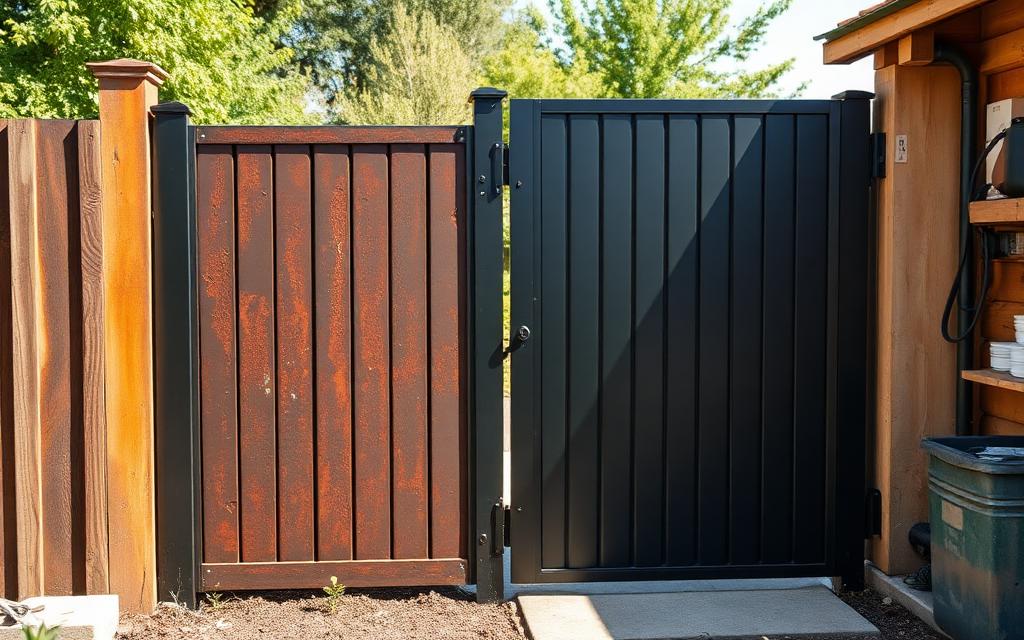
Treated the shed roof sheets and topcoated them. Two seasons of rain later the treated panels still look the way I left them.
Janine K. · Brisbane, AU
Trailer frame looks new
Frame rails were surface-rusted everywhere. Two bottles covered the whole thing with enough left over for the tongue and jack.
Tom V. · Hamilton, ON
Simple to use
Shake, brush, wait. No mixing, no strong acid smell like the jelly products I used before.
Ricardo M. · Houston, TX
Bought the 5-pack, no regrets
Fence posts, patio furniture and a mower deck off one bundle. Ordering the workshop pack was cheaper than buying singles twice.
Ellen S. · Portland, OR
Reviews shown are illustrative sample copy while we collect verified customer feedback.
Buy with confidence
Nothing to lose but the rust
Worldwide shipping
Tracked delivery to the US, UK, Canada, Australia, EU and more. Free on 3-bottle bundles and above.
Encrypted payment
Card details are captured on a secure, encrypted checkout page. We never see or store your card number.
30-day guarantee
If RustGuard™ is not right for your project, contact support within 30 days for a refund of the product price.
No grinder needed
Brush-on chemistry designed for pitted, hard-to-reach rust where abrasives cannot get a bite.
Secure checkout
Order your RustGuard™ bundle
Pick a bundle, tap checkout — that's it. No account, no forms to fight. Your delivery address and payment are collected on the secure checkout page.
Step 1 — Choose your bundle
One bottle covers about 55 sq ft. Treating a whole vehicle, trailer or roof section? Most people need 3 or more.
Free tracked shipping unlocked
Most projects use more than they expect — the ×8 pack drops you to $9.00/bottle (you pay $11.00 now).
Step 2 — Checkout securely
Apple Pay, Google Pay and all major cards are accepted on the secure Shopify checkout — address, payment and confirmation, all in one place.
- 1Tap checkoutYour bundle is reserved in a secure cart.
- 2Pay your wayCard, Apple Pay or Google Pay — under a minute.
- 3Tracked dispatchConfirmation email instantly, packed in 1 business day.
“Ordered the 5-pack, treated the whole trailer frame and still had a bottle spare.”
Tom V. · Hamilton, ON
“Arrived tracked in five days and the brush kit saved me a trip to the store.”
Dale R. · Tucson, AZ
Reviews are illustrative while verified feedback is collected.
Why concrete spalls, and what the rust is doing
Steel inside sound concrete is protected by the alkalinity of the cement. Two things destroy that protection: carbonation, where atmospheric CO₂ gradually neutralises the concrete from the surface inward, and chloride attack from de-icing salt or coastal air. Once the passive layer is gone, the embedded steel corrodes.
Rust occupies several times the volume of the steel it came from. That expansion generates enormous pressure inside the concrete, which cracks along the line of the bar, then delaminates and finally spalls off in plates. The visible damage — the rust stain, the crack, the fallen lump — is the last stage of a process that has been running for years.
That is why patching without treating the steel never works. Fresh mortar over a corroding bar is a cosmetic lid on an expanding problem, and it pops off within a couple of seasons, usually taking a bit more concrete with it.
The correct repair sequence
- 01
Sound out the full extent of the delamination
Tap with a hammer. Hollow means delaminated, even where the surface looks fine. Mark the whole hollow area, not just the visible damage.
- 02
Break out to sound concrete
Cut a square edge around the repair rather than feathering, and remove concrete to at least 25 mm behind the bar so you can reach the back face.
- 03
Clean the steel all round
Wire brush, needle gun or grit blast until the bar is free of loose scale on every face, including the hidden side.
- 04
Assess the section loss
A bar that has lost more than roughly 20 per cent of its diameter, or is corroded through, needs a structural engineer and probably supplementary steel.
- 05
Degrease and dry
Dust off, wash if needed, and let it dry. Converter on damp, dusty steel does not adhere.
- 06
Two thin coats of converter over the full circumference
Small brush behind the bar. Three to four hours between coats; the back face is the one that matters most and is the one always missed.
- 07
Cure 24 hours, then patch
Use a proper polymer-modified repair mortar, applied per its own instructions, and cure the patch properly against drying too fast.
Typical quantities on concrete repair work
| Job | Exposed steel | Bottles |
|---|---|---|
| Single spalled balcony edge, 3 ft | ≈8 sq ft of bar surface | 1 |
| Lintel over a window | ≈6 sq ft | 1 |
| Car park soffit patch, 10 sq ft area | ≈15 sq ft of bar | 1 |
| Sea wall or coastal parapet, 20 ft run | ≈40 sq ft | 1–2 |
| Multiple balcony repairs on a block | 100+ sq ft | 3–5 |
| Bridge or structural remediation | Specify by contract | Consult an engineer |
What a converter can and cannot do for embedded steel
What it does well is stabilise the rust on a bar you have exposed and cleaned, and provide a barrier film between the steel and the new mortar while the repair cures. On a domestic-scale repair — a balcony edge, a lintel, a garden wall coping — that is exactly what is needed, and it is far better than patching over untreated steel.
What it does not do is restore lost section, address the chloride contamination still present in the surrounding concrete, or substitute for cathodic protection on a structure that has widespread corrosion. Those are engineering problems with engineering answers, and a bottle of anything is not one of them.
The honest rule of thumb: one or two local spalls on a domestic structure, treat and patch. Repeated spalling across a slab, a soffit, a car park deck or anything carrying load above people, get it surveyed. Chloride testing and half-cell potential mapping exist for a reason.
Mistakes that cause a repair to fail again
- Patching over rusty steel without exposing and treating it
- Not breaking out behind the bar, so the back face stays corroded
- Feathering the edge of the repair instead of cutting a square edge
- Using sand and cement instead of a polymer-modified repair mortar
- Applying mortar before the converter film has cured
- Ignoring the source of the water: no waterproofing, no drainage, no gain
Work out your exact quantity
Area
100 sq ft
Bottles needed
3
Recommended bundle
×3 — $42
Based on up to 55 sq ft per bottle on smooth steel, adjusted for surface condition. Estimates only — measure generously.
When to stop and call an engineer
- Bars that have lost significant section or corroded through
- Widespread spalling across a slab, soffit or car park deck
- Any structural element carrying load over an occupied space
- Post-tensioned or prestressed concrete of any kind
- Structures with known chloride contamination needing cathodic protection
- Anything where the repair specification is set by a consultant or a warranty
Frequently asked questions
Is a converter a substitute for a rebar primer?
Not always. Many repair mortar systems specify their own bar coating. Where the specification allows a converter, this is a good one; where it does not, follow the specification.
Can I skip breaking out the concrete?
No. Chloride-contaminated concrete around the bar keeps corroding the steel regardless of what you coat it with.
Does this fix structural cracking?
No. Cracking is a structural symptom and needs an engineer, not a coating.
How much bar can I treat with one bottle?
A single bottle goes a long way on bar — coverage is measured in surface area, and bar has far less than a flat panel.
Can I use rust converter on exposed rebar?
Yes, after breaking out to sound concrete and cleaning the bar all round. Two coats over the full circumference, cured, then patch with a polymer-modified repair mortar.
How much concrete do I have to break out?
Back to sound concrete, and at least 25 mm behind the bar so you can clean and coat the hidden face. Cut a square edge rather than feathering.
What if the rebar has lost thickness?
Section loss beyond roughly 20 per cent is a structural matter. Get an engineer to specify supplementary steel; do not coat and patch it and hope.
Can I skip the converter and just use repair mortar?
You can, and it usually fails. Corroding steel keeps expanding under the patch and pops it off within a couple of seasons.
Does it stop chloride attack in the surrounding concrete?
No. It stabilises the steel you have exposed. Chloride contamination in the remaining concrete is a separate problem needing testing and specialist remediation.
How long before I can apply the mortar?
24 hours of cure at 68°F. Longer in cold or damp conditions — the film must be fully dry, not tacky.
Is it suitable for coastal structures?
For local domestic repairs, yes. For sea walls, jetties and anything in a marine splash zone at scale, get a proper corrosion survey first.
Keep reading
- Rust converter for industrial and structural steelMaintenance coating for structural steelwork, plant, tanks and handrails. Coverage planning, prep grades and topcoat systems.
- Rust vs corrosion: what's the difference?Rust is one type of corrosion — the iron kind. Why that distinction decides whether a rust converter will work on your metal at all.
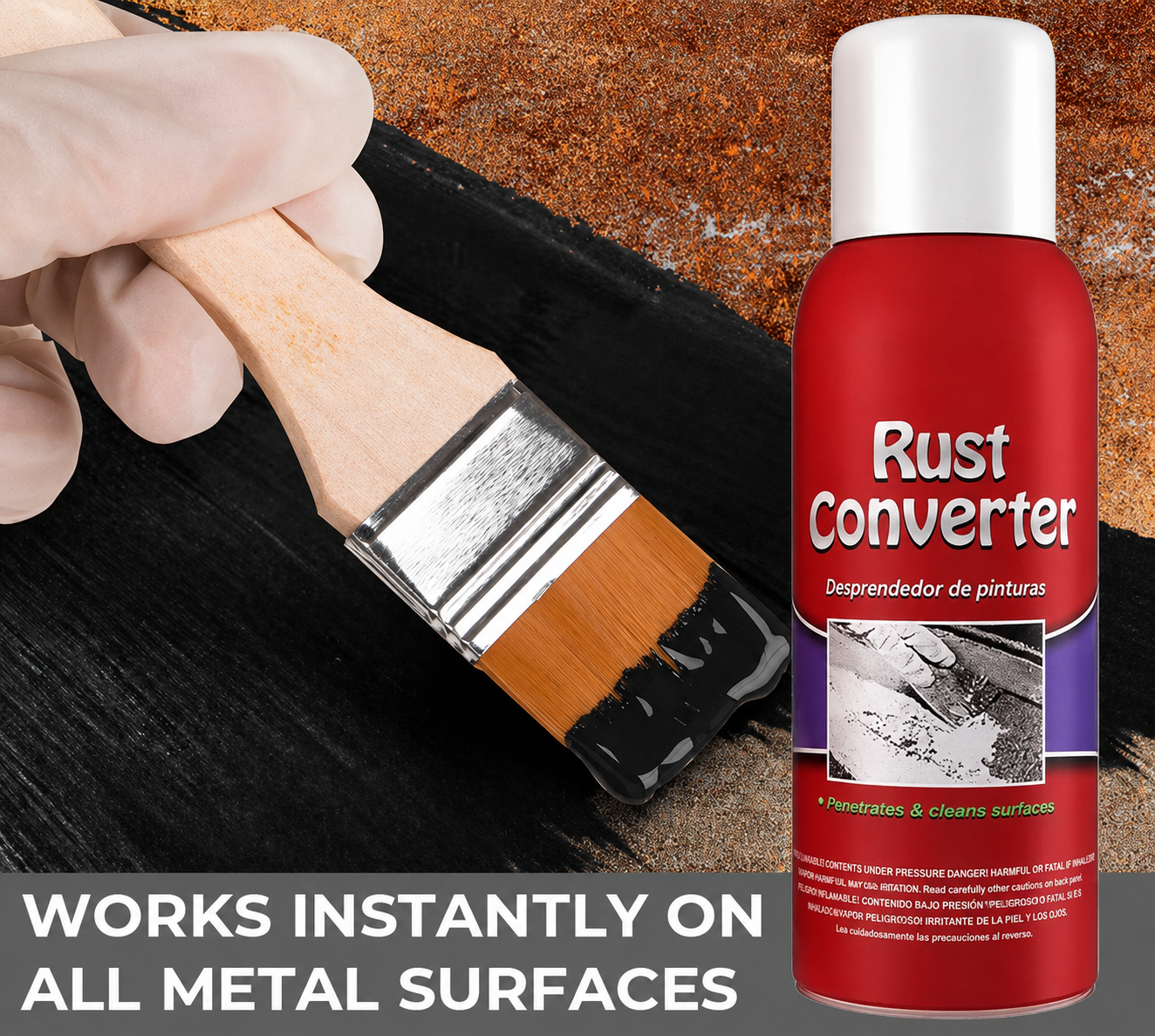
- Rust converter for iron and steel that leaves a paint-ready surfaceBrush RustGuard™ onto rusted iron or steel, convert the corrosion and topcoat in 24 hours. Bundles from $24, free shipping on 3+.
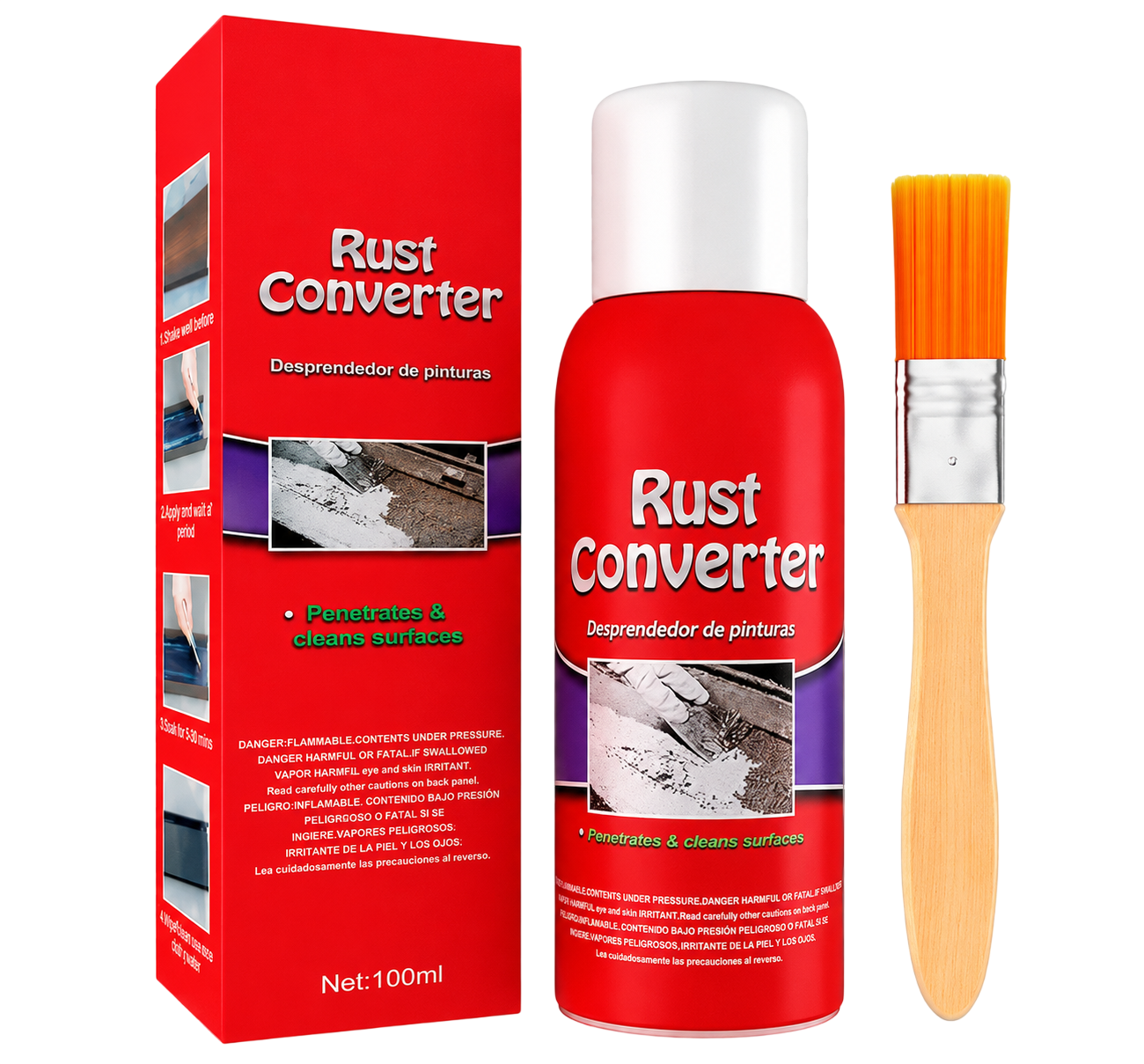
- Rust converter safety, storage and disposalPPE, ventilation, storage temperatures, spill handling and correct disposal for water-based rust converter. Practical safety guidance.
- Rust prevention guideA practical prevention programme for vehicles, tools and outdoor steel — coatings, drainage, storage, salt management and an inspection schedule.
Last step
Ready to stop the rust?
Ships from our US fulfilment partner, typically 3–7 business days. 30-day money-back guarantee.