- Encrypted paymentSecure, encrypted checkout
- Tracked worldwideFree on 3+ bottle bundles
- 30-day guaranteeMoney-back if it is not for you
- Clear labellingCoverage and results stated honestly
Stock up & save
Choose your RustGuard™ bundle
Listed in USD and billed in USD; your bank converts to GBP at checkout.
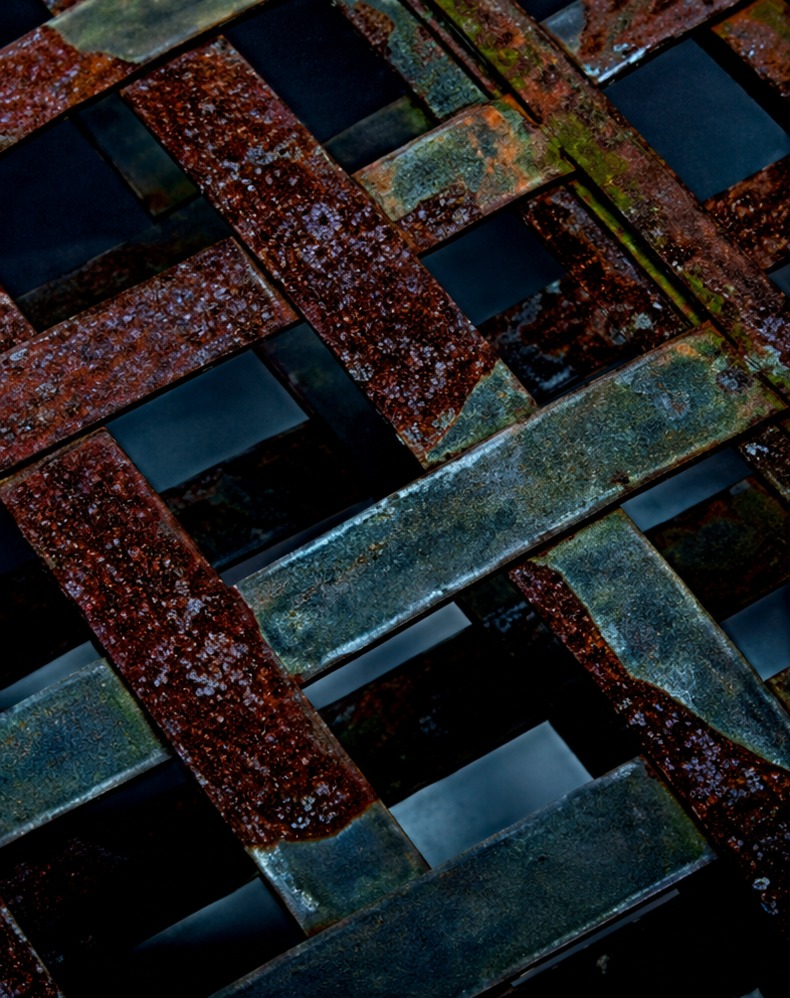
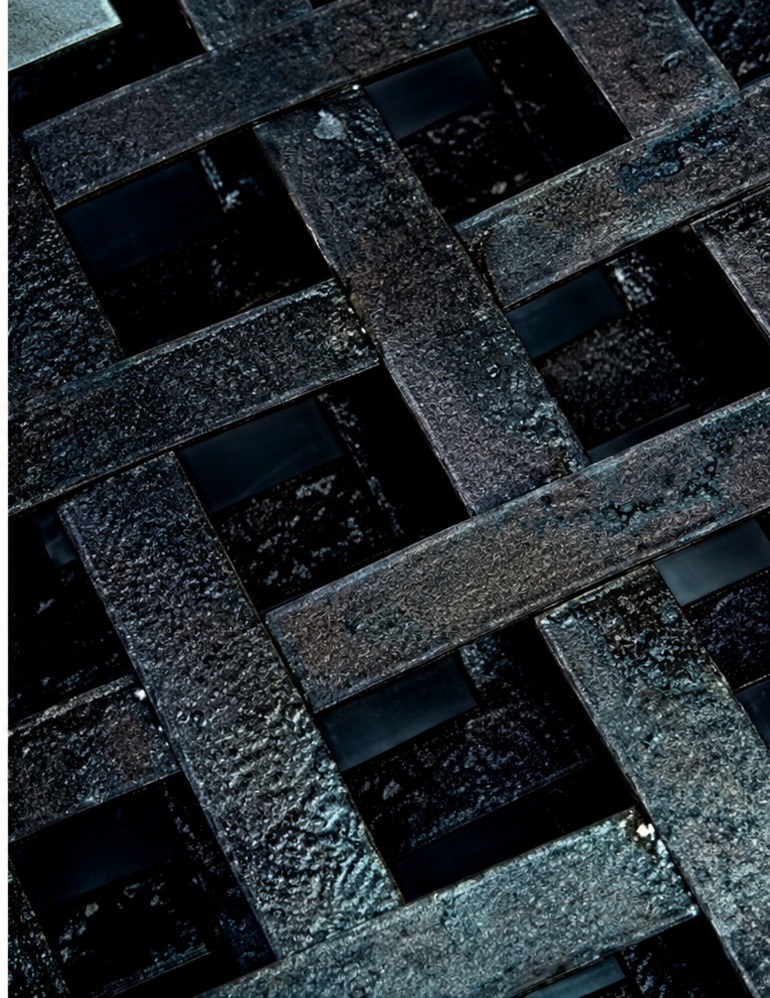
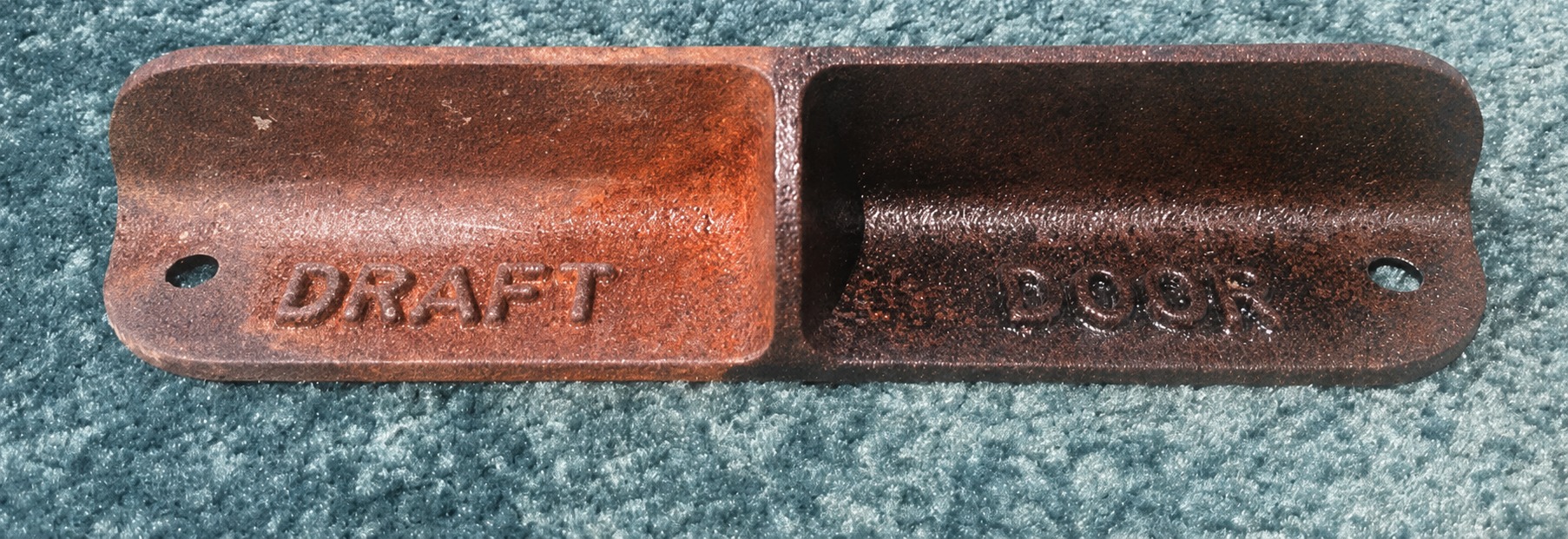
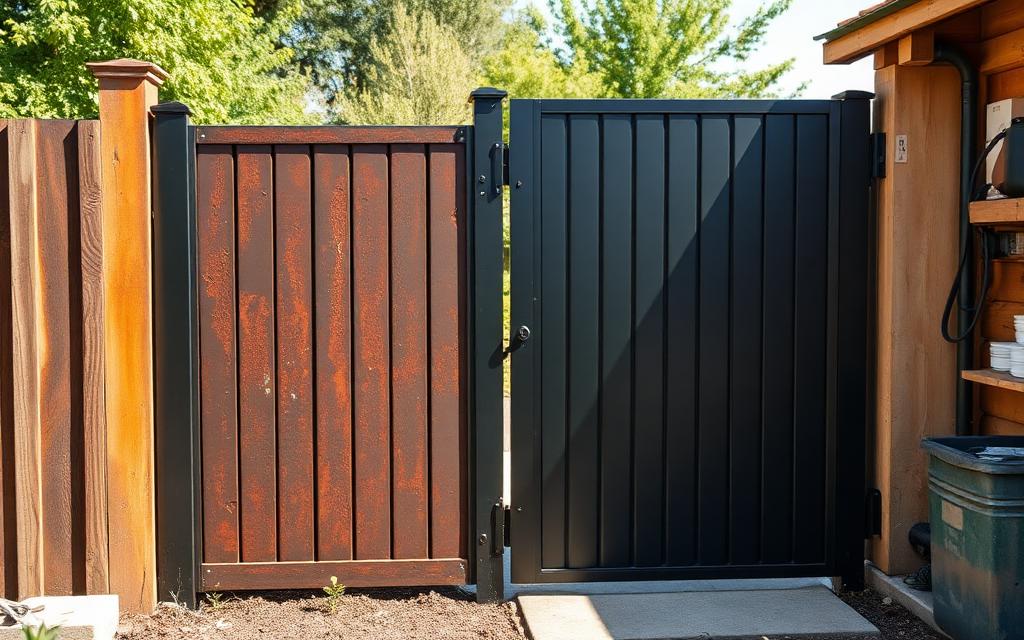
Rusted metal in, paint-ready surface out
Brush RustGuard™ over sound rust, let it cure, then paint. Images are illustrative — results depend on surface condition and preparation.
The short answer
There are five real methods — abrasives, acid, chelation, electrolysis and conversion — and the right one is decided by whether the part can move and whether it must end up bare or painted. Small detachable parts: soak or electrolysis. Large, fixed or pitted metal you are going to paint: conversion. Everything else is a compromise between dust, rinse water and time.
- If it fits in a bucket and must stay bare metal, soak or electrolyse it
- If it is bolted to a vehicle or building and will be painted, convert it
- Abrasives are fastest on scale and worst on pitting — they polish over the active corrosion
- Any bare-metal method starts a clock: flash rust can appear within two hours
The five methods
| Method | Best for | Effort | Leaves you with |
|---|---|---|---|
| Abrasive (sand, grind, blast) | Small parts, panels heading for paint | High | Bare, flash-rusting steel |
| Acid gel or naval jelly | Localised patches, vertical surfaces | Medium | Bare metal needing rinse and neutralise |
| Electrolysis | Small removable parts, tools | Medium setup | Bare metal, no metal loss |
| Chelating soak | Intricate parts you can submerge | Low, slow | Bare metal, gentle on detail |
| Conversion | Large or fixed items going straight to paint | Low | Stable primed film, ready to topcoat |
Which one should you actually use?
If the part is small, removable and needs to stay bare metal — a hand tool, a hinge, a casting — electrolysis or a chelating soak gives the cleanest result with the least metal loss. It takes hours or days, but it takes almost no labour from you.
If the part is heading for paint and you can reach all of it comfortably, abrasives still give the best possible substrate. That is why bodyshops blast panels. The cost is labour, dust and the flash rust that starts forming within minutes of finishing.
If the item is large, awkward, structural or bolted into something else — a trailer chassis, a gate, a roof, a machine frame — removal is not really on the table. Conversion is the method that fits: brush it on, let it react, topcoat it, done.
The pragmatic route for most jobs
- 01
Knock off what is loose
Scraper, wire brush, or a cup brush on a drill. Ten minutes here saves you a re-do.
- 02
Degrease
Detergent or degreaser, rinse, and dry properly. Every coating fails on a greasy surface.
- 03
Convert the remaining rust
Brush on a thin coat and let it react. Two coats where the pitting is deep.
- 04
Cure and topcoat
24 hours, then paint. The converted film is your primer.
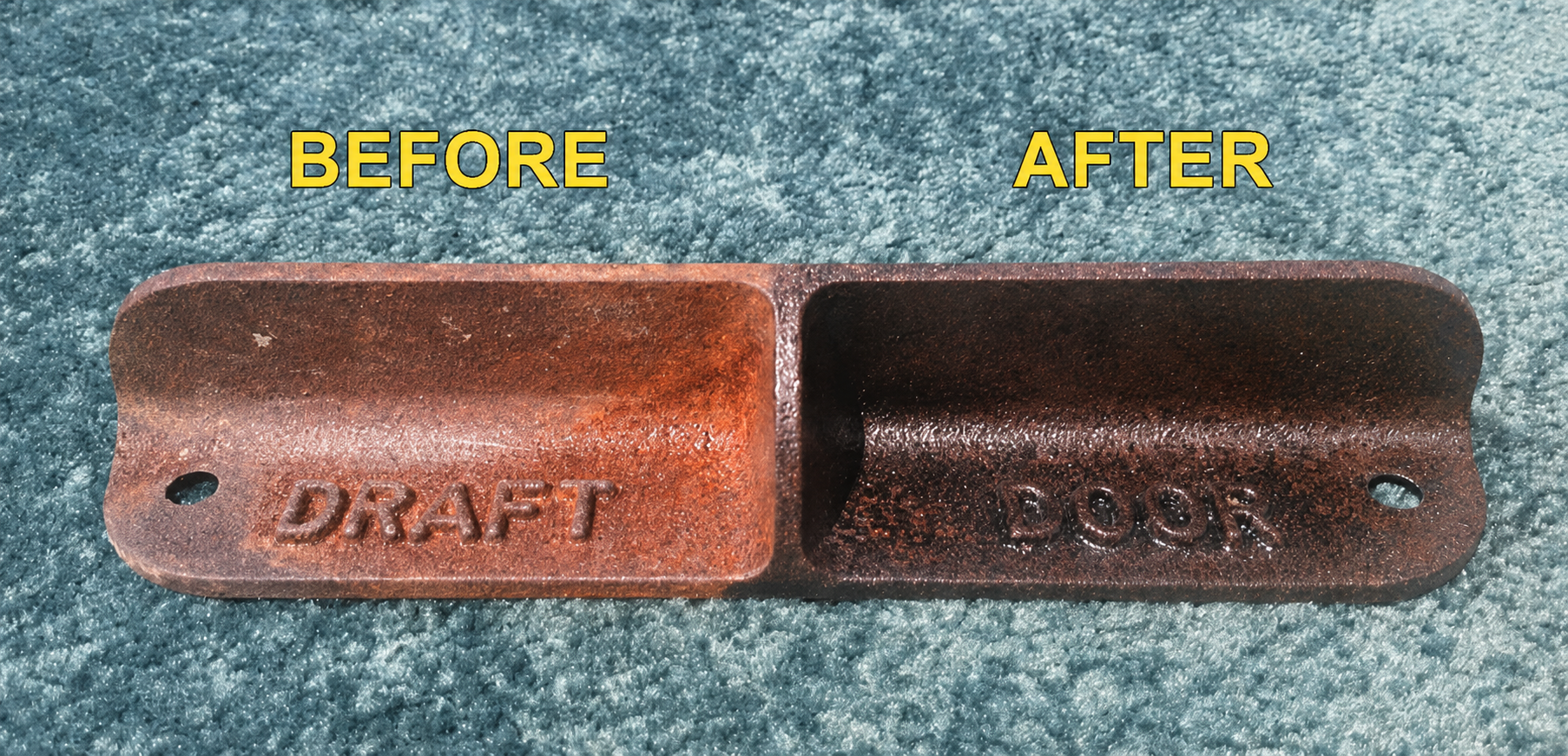
Estimate your quantity
Area
100 sq ft
Bottles needed
3
Recommended bundle
×3 — $42
Based on up to 55 sq ft per bottle on smooth steel, adjusted for surface condition. Estimates only — measure generously.
Pitting is why so many rust jobs come back
Rust does not sit on metal like dust; it eats into it, leaving a landscape of pits with active corrosion in the floors. A sanding disc, a wire wheel or a blast nozzle rides across the high points and leaves those floors untouched, which is why a panel can look bright and still blister the following year.
Run a fingernail across a suspect surface. If it feels rough or catches, you have pitting, and mechanical cleaning alone will not deal with it. Either the part goes into a bath where liquid can reach the pit floors, or you use a liquid on the surface — which is exactly what a converter is.
This single test is the most useful thing on this page. Smooth surface film: any method works. Rough pitted surface: get a liquid into it, or accept that the job is cosmetic and temporary.
The five methods, honestly scored
| Method | Time | Mess | Handles pitting | Leaves you with |
|---|---|---|---|---|
| Abrasive: sanding, wire wheel, blasting | Fast | Dust everywhere | Poorly | Bare metal on a same-day clock |
| Acid soak or gel | 30 min – hours | Rinse water to manage | If submerged | Bare metal, needs neutralising |
| Chelating soak | Overnight – days | Low | Yes, if submerged | Bare metal, no etching risk |
| Electrolysis | Hours – overnight | Low, needs power | Yes, if submerged | Bare metal, precision-safe |
| Conversion | 1 hour work + 24 h cure | None | Yes, on any wettable surface | Primed dark film, ready to paint |
Pick your method in four questions
- 01
Can you detach it and carry it?
If no, you are choosing between mechanical cleaning and conversion. Removers on a fixed vertical surface create rinse problems you cannot solve.
- 02
Must the finished surface be bare metal?
Tool faces, machined fits, cast-iron cookware and collectables: yes, so use a soak or electrolysis. Anything you will paint: conversion is simpler.
- 03
Is it pitted or just filmed?
Pitted means get a liquid into the pits. Filmed means almost anything works, including a quick mechanical clean.
- 04
Can you prime it the same day?
Every bare-metal method needs priming or oiling before flash rust starts. If the job will be interrupted, conversion is the safer route.
Household remedies, tested against reality
Vinegar works — slowly, on light rust, on parts you can submerge. It is dilute acetic acid, so it needs a thorough rinse and a neutralising wipe afterwards, it darkens some steels, and it will not touch heavy scale in a weekend. Fine for a box of hinges, useless for a chassis.
Citric acid is faster and cleaner than vinegar and easy to buy in bulk, which makes it the best of the kitchen chemistry for small parts. Bicarbonate paste and lemon juice are largely for videos: they polish light surface bloom and do nothing about pitting depth.
Coke, potatoes and aluminium foil belong to the folklore category. They can lift a light bloom because they are mildly acidic and abrasive, but on any real corrosion you are trading hours of scrubbing for a result a $10 bag of citric acid delivers overnight. And none of them protect the metal afterwards — you still have to prime or oil it immediately.
Safety, whichever route you take
- Abrasives: P2/N95 mask minimum, eye protection, and assume old paint may contain lead
- Acids: nitrile gloves, sealed goggles, ventilation, and never mix with bleach or alkaline cleaners
- Electrolysis: keep the setup outdoors or well ventilated — it produces hydrogen
- Never use stainless steel as a sacrificial anode; it releases toxic chromium compounds
- Contain and dispose of rinse water responsibly, not into a storm drain
- Let hot metal cool before applying any chemical treatment
What no rust removal method can do
- Restore metal thickness once section has been lost
- Close a hole — that is welding, a patch panel or replacement
- Reach corrosion inside a sealed cavity you cannot submerge or wet
- Do anything useful on aluminium, stainless, copper or brass corrosion
- Protect the metal afterwards — every route needs primer, paint or oil
- Prevent a return if the water trap that caused it stays in place
What buyers say
Rated by people who hate sanding
Saved my truck bed
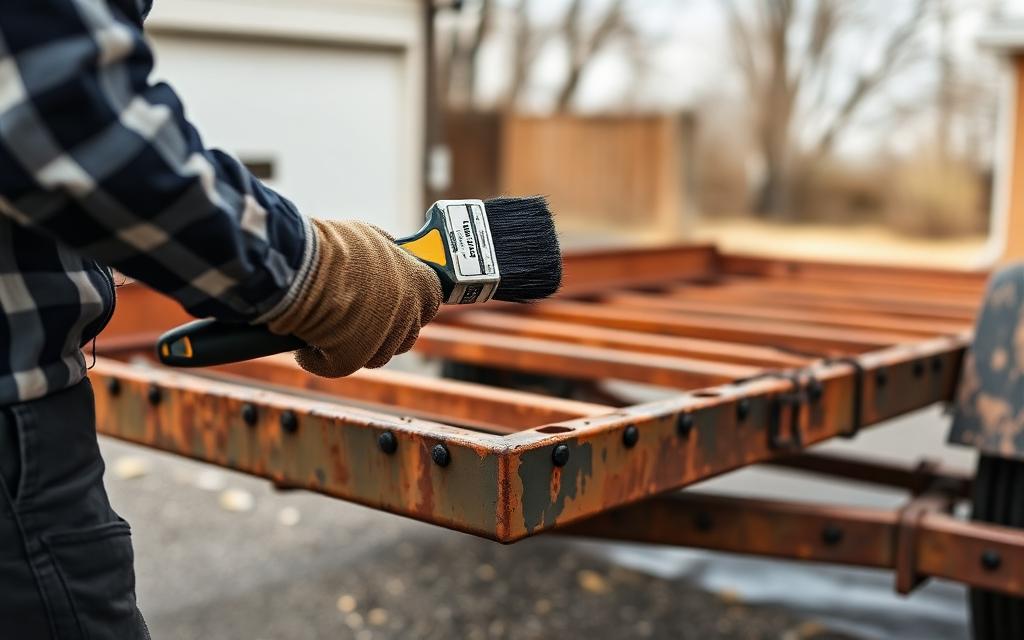
Wire-brushed the loose scale, brushed a coat on and left it overnight. Next morning it was a flat black surface that took primer without fighting me.
Dale R. · Tucson, AZ
No more grinding for hours
I restore gates and railings. This cut my prep time in half on pitted sections where the grinder just polishes the rust around.
Marcus H. · Leeds, UK
Held up through the wet season
Treated the shed roof sheets and topcoated them. Two seasons of rain later the treated panels still look the way I left them.
Janine K. · Brisbane, AU
Trailer frame looks new
Frame rails were surface-rusted everywhere. Two bottles covered the whole thing with enough left over for the tongue and jack.
Tom V. · Hamilton, ON
Simple to use
Shake, brush, wait. No mixing, no strong acid smell like the jelly products I used before.
Ricardo M. · Houston, TX
Bought the 5-pack, no regrets
Fence posts, patio furniture and a mower deck off one bundle. Ordering the workshop pack was cheaper than buying singles twice.
Ellen S. · Portland, OR
Reviews shown are illustrative sample copy while we collect verified customer feedback.
Buy with confidence
Nothing to lose but the rust
Worldwide shipping
Tracked delivery to the US, UK, Canada, Australia, EU and more. Free on 3-bottle bundles and above.
Encrypted payment
Card details are captured on a secure, encrypted checkout page. We never see or store your card number.
30-day guarantee
If RustGuard™ is not right for your project, contact support within 30 days for a refund of the product price.
No grinder needed
Brush-on chemistry designed for pitted, hard-to-reach rust where abrasives cannot get a bite.
Secure checkout
Order your RustGuard™ bundle
Pick a bundle, tap checkout — that's it. No account, no forms to fight. Your delivery address and payment are collected on the secure checkout page.
Step 1 — Choose your bundle
One bottle covers about 55 sq ft. Treating a whole vehicle, trailer or roof section? Most people need 3 or more.
Free tracked shipping unlocked
Most projects use more than they expect — the ×8 pack drops you to $9.00/bottle (you pay $11.00 now).
Step 2 — Checkout securely
Apple Pay, Google Pay and all major cards are accepted on the secure Shopify checkout — address, payment and confirmation, all in one place.
- 1Tap checkoutYour bundle is reserved in a secure cart.
- 2Pay your wayCard, Apple Pay or Google Pay — under a minute.
- 3Tracked dispatchConfirmation email instantly, packed in 1 business day.
“Ordered the 5-pack, treated the whole trailer frame and still had a bottle spare.”
Tom V. · Hamilton, ON
“Arrived tracked in five days and the brush kit saved me a trip to the store.”
Dale R. · Tucson, AZ
Reviews are illustrative while verified feedback is collected.
Shipping to United Kingdom
- Tracked delivery across England, Scotland, Wales and Northern Ireland, typically 5–10 business days.
- Listed in USD and billed in USD; your bank converts to GBP at checkout.
- Free tracked shipping on bundles of 3 bottles and above.
- 30-day money-back guarantee from the date of delivery.
Frequently asked questions
Does vinegar or Coca-Cola work?
Weak acids do dissolve light rust given long enough, but they need rinsing and neutralising, they cannot be used on fixed items, and they leave bare steel that flash rusts.
Is a rust converter the same as a rust remover?
No. A remover strips rust away and leaves bare metal. A converter chemically stabilises the rust in place and primes it. Different jobs.
What is the fastest method?
For a large fixed item, conversion — the labour is minutes rather than hours. For a small part, a chelating soak needs almost no work from you at all.
Can I combine methods?
Yes, and it is often best: mechanically remove the heavy scale, then convert what is left in the pitting.
What is the fastest way to remove rust from metal?
Mechanically, with a wire wheel or blasting — but it is the worst method for pitting and it starts a same-day priming clock. On pitted steel you will get a longer-lasting result by converting instead.
What removes rust without scrubbing?
A chelating soak or electrolysis, both of which need the part submerged. Anything fixed in place is better converted.
Does WD-40 remove rust?
It loosens light surface rust and helps mechanical cleaning, but it is a penetrant and lubricant, not a rust remover, and nothing bonds to an oiled surface afterwards.
How do I stop rust coming back after removal?
Prime and paint the same day, or oil it if it must stay bare — then fix whatever was holding water against the metal.
Can I remove rust without removing paint?
Yes, if you feather back only to sound paint edges and treat the exposed rust. A converter suits this because it does not attack surrounding paintwork the way a stripping acid can.
Is sandblasting worth it?
On heavy scale and where you have containment, yes. In a driveway or garage the dust and cleanup usually outweigh the benefit, and it still misses pit floors.
What about rust on chrome?
Chrome plating over steel rusts through pinholes in the plating. Very light bloom can be polished; once it has lifted the plating, re-plating is the only real fix.
Keep reading
- Rust converter vs rust remover: which one your job needs — United KingdomUnited Kingdom: Side-by-side comparison of rust converters and rust removers: chemistry, effort, cost, flash rust risk, and which to use on your job.
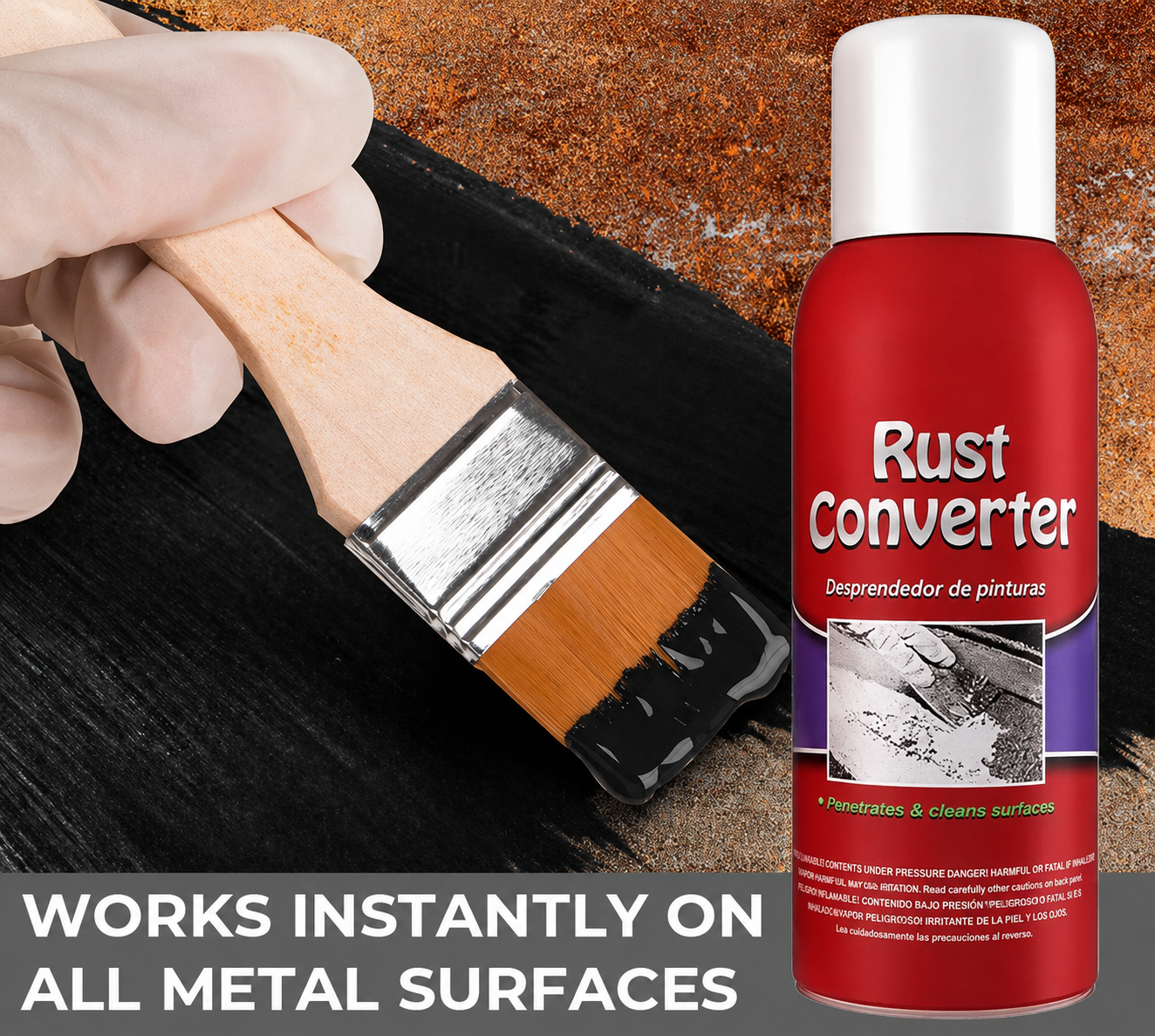
- How to use rust converter, step by step — United KingdomUnited Kingdom: The full method for applying a rust converter: preparation, degreasing, coats, cure time and topcoating. Written for RustGuard™ but valid for
- Rust converter for iron and steel that leaves a paint-ready surface — United KingdomUnited Kingdom: Brush RustGuard™ onto rusted iron or steel, convert the corrosion and topcoat in 24 hours. Bundles from $24, free shipping on 3+.
Last step
Ready to stop the rust?
Tracked delivery across England, Scotland, Wales and Northern Ireland, typically 5–10 business days. 30-day money-back guarantee.