- Encrypted paymentSecure, encrypted checkout
- Tracked worldwideFree on 3+ bottle bundles
- 30-day guaranteeMoney-back if it is not for you
- Clear labellingCoverage and results stated honestly
Stock up & save
Choose your RustGuard™ bundle
Listed in USD and billed in USD; your bank converts to GBP at checkout.
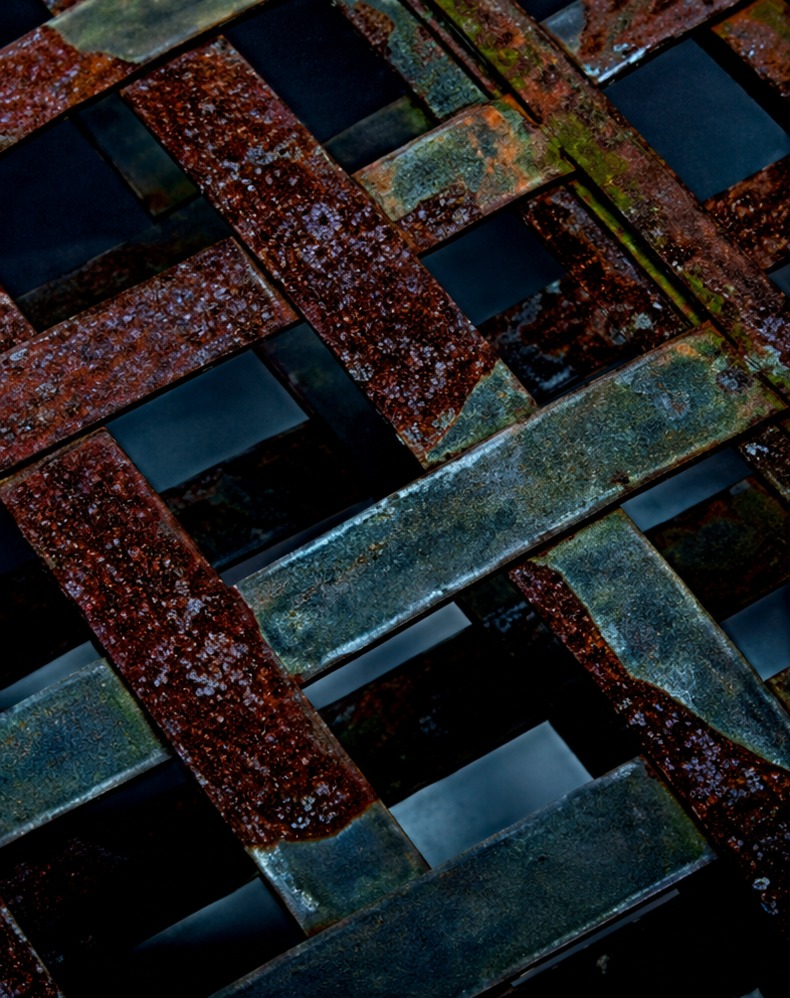
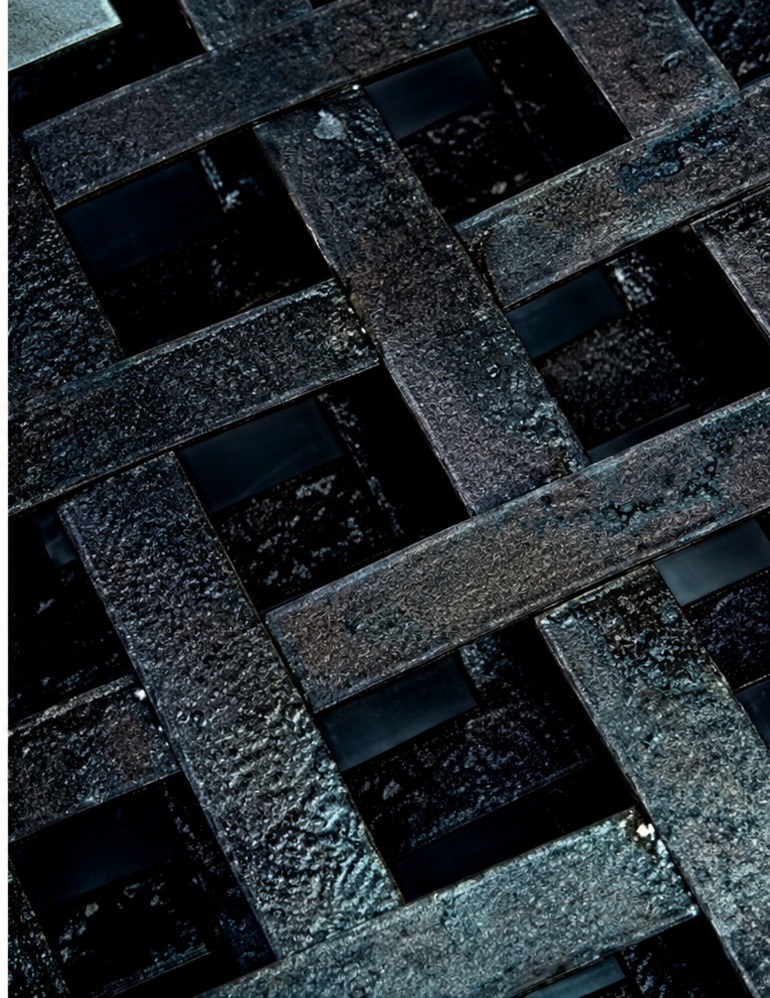
Rusted metal in, paint-ready surface out
Brush RustGuard™ over sound rust, let it cure, then paint. Images are illustrative — results depend on surface condition and preparation.
The short verdict
RustGuard™ Rust Converter does one job: it turns existing surface rust on ferrous metal into a stable, dark, paintable film so you can topcoat over it instead of grinding it back to bright steel. On the jobs it is designed for — chassis rails, trailer frames, gates, railings, roofing sheets, farm implements, workshop steel — the feedback pattern is consistent. Brush it on clean, dry, degreased rust; watch it darken over a few hours; leave it 24 hours; paint. People are usually surprised at how little effort the awkward parts take, because a brush reaches into seams, welds and box-section edges that no sander or grinder can touch.
The complaints are just as consistent, and almost none of them are about the chemistry. They are about expectations and skipped steps. Perforated metal stays perforated. Greasy underbodies blister. Topcoat applied at hour six lifts at week three. Aluminium and stainless never change colour because there is no iron oxide to react with. Every one of those outcomes is predictable, and every one is avoidable by reading the surface before you open the bottle.
So the honest verdict is narrow but strong: if you have sound steel with surface rust or shallow pitting that you cannot dismantle, and you want it stabilised and painted this weekend, this is the right tool and it will save you hours. If you have holes, flaking scale sitting on nothing, or non-ferrous metal, no converter on the market — ours included — is going to rescue it, and you should spend the money on welding or replacement instead.
Who that suits, in practice: home mechanics and restorers keeping a daily driver or project vehicle from getting worse; property owners with gates, railings, roofing and gutters that are weathered rather than rotten; and farm, trade and industrial buyers treating large areas of implement and structural steel where labour cost matters more than the price of a bottle.
Verdict at a glance
- Best at
- Surface rust and shallow pitting on steel you cannot dismantle
- Biggest practical win
- Brush access to seams, welds and box sections
- Most common bundle
- 2–3 bottles (vehicle and trailer work)
- Highest-volume bundle
- 5–8 bottles (roofing, farm and industrial steel)
- Time before topcoat
- 24 hours — the single most-skipped step
- Will not fix
- Perforation, flaking scale with no sound metal beneath
- Will not react on
- Aluminium, stainless, copper, brass
- Reported failure cause #1
- Grease or road film left on the surface
- Risk cover
- 30-day money-back guarantee from delivery
What people use it for
The jobs behind our orders, the bundle those buyers usually choose, and the feedback theme that comes back most often for each.
| Job type | Typical bundle | Common feedback theme |
|---|---|---|
| Car arches, sills and floor pans | 2–3 bottles | Easier than expected on awkward seams |
| Chassis rails and subframes | 3 bottles | Reaches overhead areas a grinder cannot |
| Trailer frames and towing gear | 2–3 bottles | Brush handles welds people were dreading |
| Gates, railings and fences | 1–2 bottles | Detail work stays crisp under gloss |
| Metal roofing and gutters | 5–8 bottles | Coverage planning matters most here |
| Tools and workshop steel | 1 bottle | Careful masking of working surfaces is key |
| Farm implements and gates | 5–8 bottles | Bulk bundles chosen for cost per bottle |
| Industrial and structural steel | 8 bottles | Downtime saved is the deciding factor |
What buyers say
Rated by people who hate sanding
Saved my truck bed
Wire-brushed the loose scale, brushed a coat on and left it overnight. Next morning it was a flat black surface that took primer without fighting me.
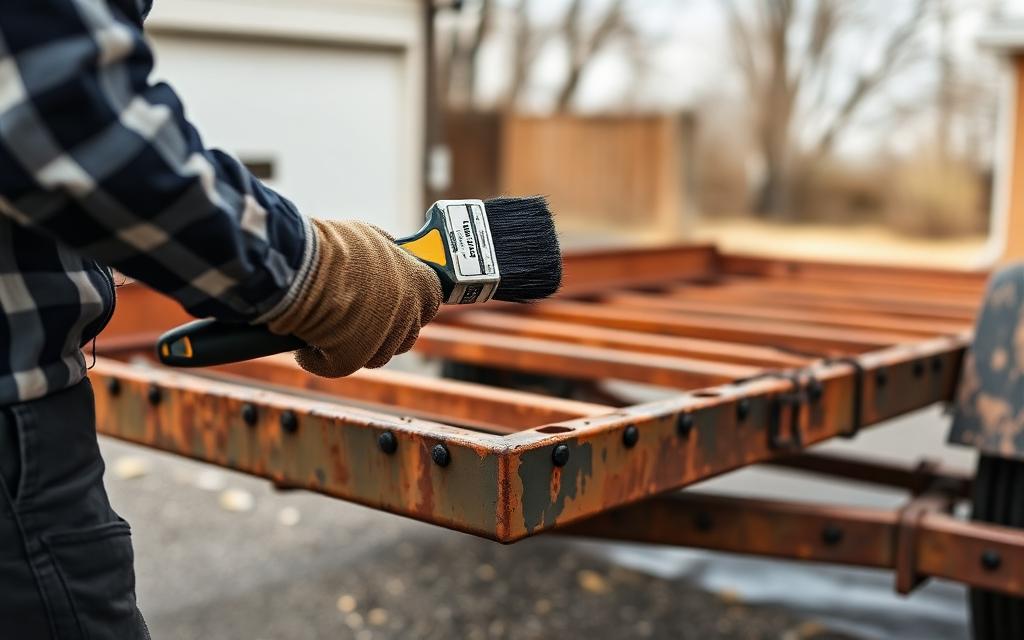
Dale R. · Tucson, AZ
No more grinding for hours
I restore gates and railings. This cut my prep time in half on pitted sections where the grinder just polishes the rust around.
Marcus H. · Leeds, UK
Held up through the wet season
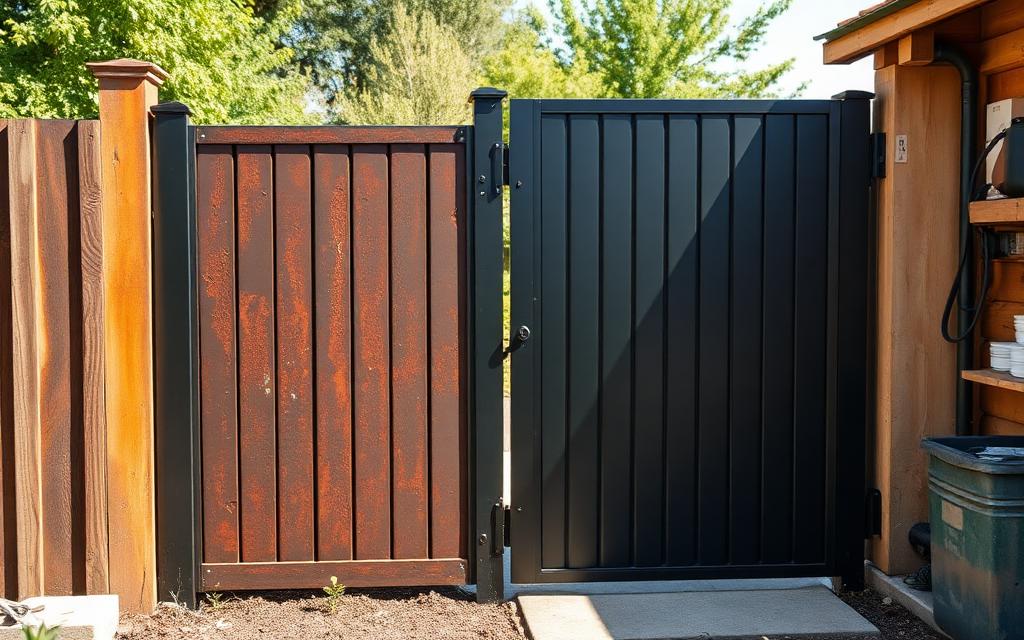
Treated the shed roof sheets and topcoated them. Two seasons of rain later the treated panels still look the way I left them.
Janine K. · Brisbane, AU
Trailer frame looks new
Frame rails were surface-rusted everywhere. Two bottles covered the whole thing with enough left over for the tongue and jack.
Tom V. · Hamilton, ON
Simple to use
Shake, brush, wait. No mixing, no strong acid smell like the jelly products I used before.
Ricardo M. · Houston, TX
Bought the 5-pack, no regrets
Fence posts, patio furniture and a mower deck off one bundle. Ordering the workshop pack was cheaper than buying singles twice.
Ellen S. · Portland, OR
Reviews shown are illustrative sample copy while we collect verified customer feedback.
Results on vehicles and trailers
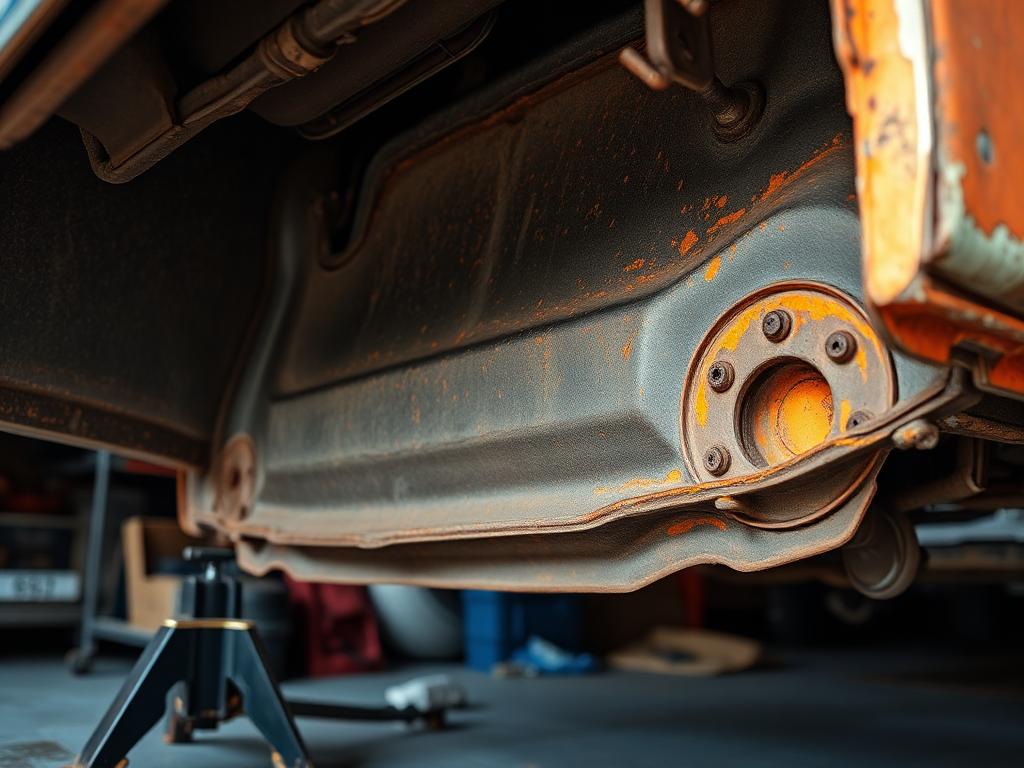
This is the biggest single group of orders and the one where the reported results are strongest, for a simple reason: vehicle rust is nearly always in places you cannot reach properly. Inner arches, sill seams, floor pan ribs, chassis box sections, spring hangers, tow hitches and trailer deck frames are exactly where a grinder cannot go and where dust extraction is impossible. A brush and a converter go where an abrasive cannot.
The typical order here is two or three bottles, and most people report using slightly less than they expected on a single vehicle underside, because coverage on smooth steel is much better than on heavily pitted metal. The pattern of feedback is that the first hour feels underwhelming — the surface looks wet and unchanged — and then the darkening starts and it becomes obvious which areas were missed. Working in daylight with a torch, and going back over thin patches after the first coat has turned, is what separates a tidy result from a patchy one.
The failures in this group almost always trace to road film. An underbody carries oil mist, wax, salt and diesel residue, and a converter cannot reach the rust through any of it. Degreasing thoroughly, letting the surface dry properly, and only then brushing on is the difference between a coating that is still sound next winter and one that lifts in sheets. The second failure is impatience with the 24-hour cure before underseal or chassis paint goes on top.
Results on gates, railings and fences
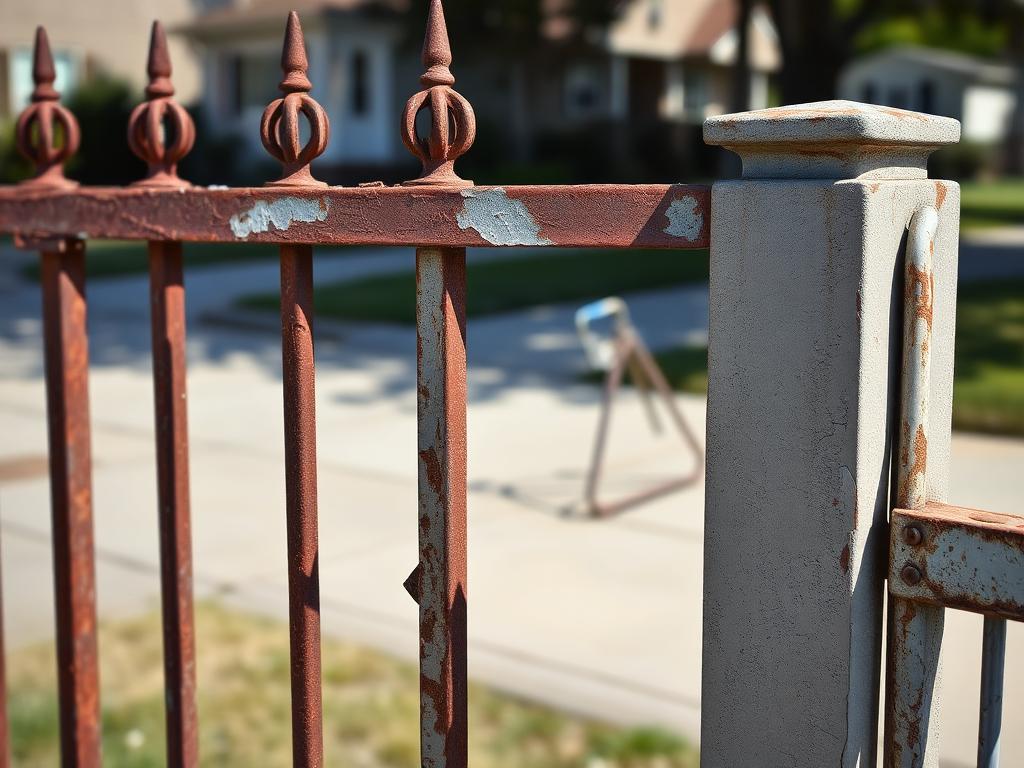
Property ironwork is the job where people are most surprised by the finish. Ornamental railings, gate scrollwork, fence posts and balustrades are long runs of thin steel with hundreds of edges. Sanding all of it is a lost weekend, and the abrasive rounds off detail that was cast or forged in. Brushing a converter over it keeps the profile intact, and the reported result after a gloss topcoat is a crisper edge than a sanded-and-primed alternative.
One or two bottles covers most residential gate and railing jobs. The theme in feedback is about masking and drips rather than performance: thin verticals encourage runs, so a lightly loaded brush and a second pass beats one heavy coat. People treating a gate that sits against brick or render usually mention taping and sheeting the surroundings — the film is dark, so overspill shows.
Where property buyers get caught out is galvanised metal. RustGuard™ treats red rust that has broken through a galvanised coating, but there is nothing to react with on sound, bright zinc, so patch-treating rust spots on an otherwise good galvanised gate gives a mottled look until it is topcoated. If a uniform colour matters, plan on painting the whole item rather than spot-treating it.
Results on metal roofing and gutters
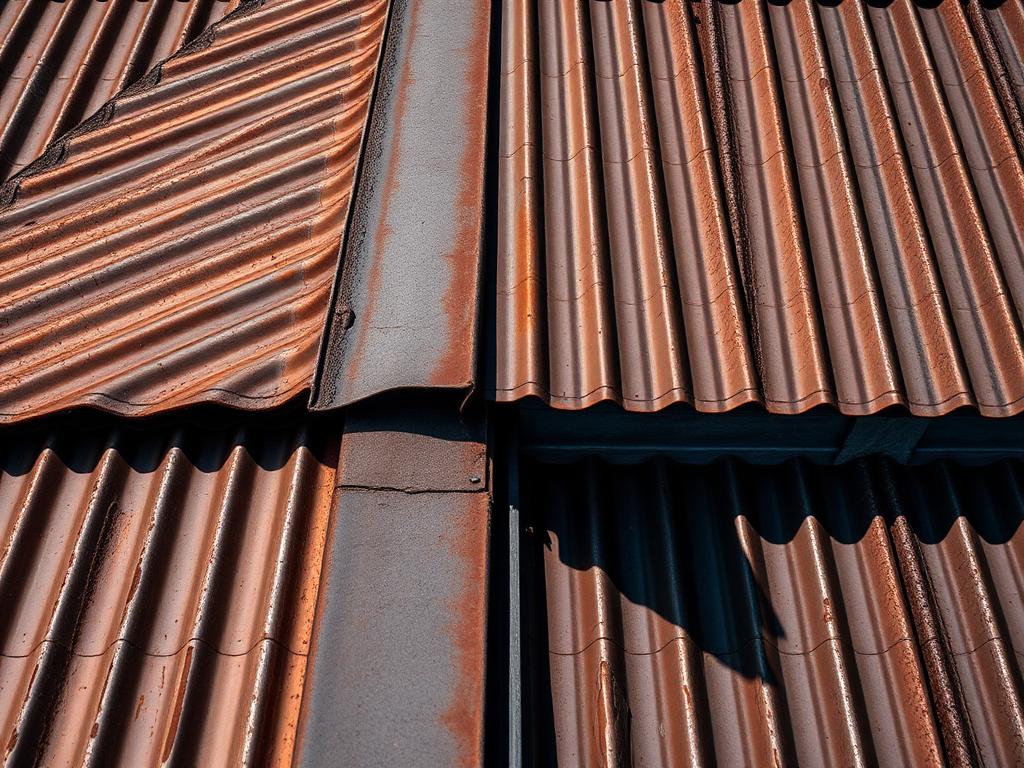
Roofing is where planning matters more than technique. The area is large, access is awkward, and running out of product halfway across a barn roof means a visible join line and a second delivery wait. This is the group that most often orders five or eight bottles, and the feedback theme is almost entirely about coverage estimates being close enough to trust — provided the sheeting is measured rather than guessed, and provided pitted or scaled areas are allowed extra.
The practical reports are consistent: treat in dry, mild conditions, work in sheet-width strips so you can see the darkening front, and keep an eye on gutter and valley details where water sits longest and rust is worst. Those detail areas typically need a second pass. Weather is the main enemy — rain on an uncured film is the one variable nobody can rescue, so the sensible approach is a dry window with a full day of cure before the topcoat.
Roof buyers who are disappointed are usually treating sheeting that has already perforated along the fixing lines. Stabilising the surface around a hole does not close the hole. Where sheets are still sound but ugly, the reported outcome is a uniform dark base that takes a roof coating well and stops the spread; where sheets are lace, the honest answer is replacement.
Results on farm, trade and industrial steel
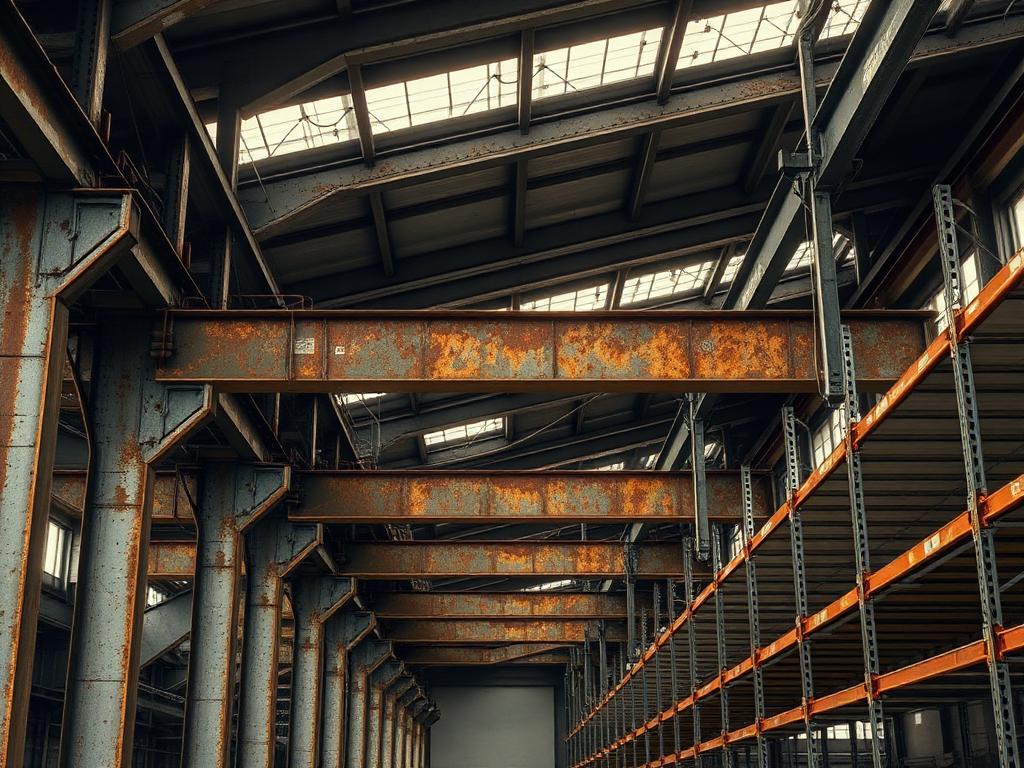
For farm and trade buyers the decision is rarely about the price of the bottle. It is about how many hours of labour and how much downtime a job takes. Implement frames, trailer chassis, livestock gates, feed hoppers, silo legs, stanchions and structural sections are large, dirty, and in constant use, so anything that removes the blasting-and-priming stage is worth more than the product cost.
This group orders in eight-packs and the feedback theme is cost per bottle and repeatability: the same process applied across a yard of equipment over a few days, with each item degreased, brushed and left to cure before a topcoat goes on. Because the areas are big, most bulk buyers work through the coverage numbers before ordering rather than after, and that is exactly the right order of operations.
The limits are the same as everywhere else, just at a larger scale. Heavily scaled steel needs the loose scale knocked off first, because a converter reacts with rust that is attached to metal, not with flakes sitting on top of it. Anywhere a section has lost real thickness is a welding job, not a coating job, and treating around it only buys time on the surrounding metal.
Results on tools and workshop steel
Single-bottle orders are usually tools, vices, machine bases, workbench frames, mower decks and garden equipment. The feedback here is the most matter-of-fact of any group: it works, it dries dark, it paints well, and the only thing to think about is what you deliberately do not coat. Working surfaces, threads, slides and mating faces should be masked, because a converted film on a machine table is not what anyone wants.
The one recurring gripe is colour. On a tool you plan to leave unpainted, the converted surface is a matt blue-black rather than the original steel finish, and it will not look like a restoration unless it is topcoated. That is a cosmetic preference rather than a fault, but it is worth knowing before you brush it over something you wanted to look bare.
Illustrative feedback themes
The comments below are written to represent the pattern of feedback we receive, not individual verified purchases. Every one is labelled illustrative for that reason.
- "Wanted to stop the arches getting worse before winter — brushed on, painted the next day." (illustrative)
- "The trailer welds were the part I was dreading with a grinder. A brush handled them." (illustrative)
- "Ordered the 5-pack for a garage roof and used four. The coverage figures were about right." (illustrative)
- "Low odour mattered — I was working inside the car with the carpets out." (illustrative)
- "Learned the hard way that degreasing is not optional. Second attempt went perfectly." (illustrative)
- "Nothing happened for the first hour and I thought it had failed. By the afternoon it was black." (illustrative)
- "Bought the 8-pack for yard gates and implements. Cost per bottle was the reason." (illustrative)
- "It did not fix the hole in my sill, which in fairness the page told me before I ordered." (illustrative)
Where it disappoints people
Perforated metal is the number one cause of disappointment. Someone treats a panel or sill that had already rusted through and hopes chemistry will bridge the gap. It cannot, and no converter on the market can. Converting the surrounding surface slows what is left, but a hole is a fabrication job.
Skipped preparation is second. A converter has to reach the rust to work on it, so anything between the two — grease, wax, road film, silicone polish, loose flaking scale — stops the reaction locally. The result is a patchy film that looks fine on day one and blisters weeks later, and it reads as a product failure when it is really a five-minute degreasing step that was missed.
Early topcoating is third and the most frustrating, because the job was going well. Painting before the 24-hour cure traps moisture under the topcoat, and it lifts later. Waiting a day is the cheapest insurance on the whole project.
Wrong metal is fourth. Aluminium, stainless, copper and brass do not carry iron oxide, so nothing changes colour and nothing has gone wrong — it simply is not the right product for those surfaces.
Cold and wet application is fifth. A water-based film needs mild, dry conditions to cure. Brushing in near-freezing damp, or getting caught by rain before the surface has set, gives a weak film that has to be redone.
Finally, appearance expectations. The converted surface is a matt blue-black, not a factory finish. It is a base for paint, and it looks like one until the topcoat goes on. If you were expecting bare, bright steel, this is the wrong approach and sanding is the honest answer.
How to judge any rust converter review
Most reviews of rust products online tell you very little because they leave out the details that decide the outcome. When you read them — including ours — check for these.
- Was the metal sound or already perforated? The same product is a success on one and a failure on the other.
- Was the surface degreased and dry, or was it a quick brush over an oily underbody?
- How long before the topcoat went on? Anything under 24 hours invalidates the result.
- Was it steel or cast iron at all — or aluminium, stainless or bright galvanising with nothing to react with?
- What were the conditions? Near-freezing, damp or rained-on applications are not a fair test.
- How long ago was it done? A one-week photo tells you nothing about durability; a season through winter does.
- Does the seller publish coverage, cure time and clear limits — or only superlatives and star ratings?
Why converters win
RustGuard™ vs the old ways
| Method | RustGuard™ | Grinding / sanding | Naval jelly | Paint straight over rust |
|---|---|---|---|---|
| Works on pitted rust you cannot reach | Partly | |||
| No power tools required | ||||
| Leaves a paint-ready surface | After priming | |||
| Stops the treated rust spreading | ||||
| Low dust, low mess | ||||
| Cost for a 100 sq ft panel | From $24 | Discs + hours | $$ | Repaint yearly |
Read the detail: rust converter vs naval jelly · converter vs remover · how to choose one
Work out what your job needs before you order
Area
100 sq ft
Bottles needed
3
Recommended bundle
×3 — $42
Based on up to 55 sq ft per bottle on smooth steel, adjusted for surface condition. Estimates only — measure generously.
Buy with confidence
Nothing to lose but the rust
Worldwide shipping
Tracked delivery to the US, UK, Canada, Australia, EU and more. Free on 3-bottle bundles and above.
Encrypted payment
Card details are captured on a secure, encrypted checkout page. We never see or store your card number.
30-day guarantee
If RustGuard™ is not right for your project, contact support within 30 days for a refund of the product price.
No grinder needed
Brush-on chemistry designed for pitted, hard-to-reach rust where abrasives cannot get a bite.
Secure checkout
Order your RustGuard™ bundle
Pick a bundle, tap checkout — that's it. No account, no forms to fight. Your delivery address and payment are collected on the secure checkout page.
Step 1 — Choose your bundle
One bottle covers about 55 sq ft. Treating a whole vehicle, trailer or roof section? Most people need 3 or more.
Free tracked shipping unlocked
Most projects use more than they expect — the ×8 pack drops you to $9.00/bottle (you pay $11.00 now).
Step 2 — Checkout securely
Apple Pay, Google Pay and all major cards are accepted on the secure Shopify checkout — address, payment and confirmation, all in one place.
- 1Tap checkoutYour bundle is reserved in a secure cart.
- 2Pay your wayCard, Apple Pay or Google Pay — under a minute.
- 3Tracked dispatchConfirmation email instantly, packed in 1 business day.
“Ordered the 5-pack, treated the whole trailer frame and still had a bottle spare.”
Tom V. · Hamilton, ON
“Arrived tracked in five days and the brush kit saved me a trip to the store.”
Dale R. · Tucson, AZ
Reviews are illustrative while verified feedback is collected.
Send us your results
We are building a verified results gallery, and it will only be worth reading if it is genuinely from customers. If you have treated something with RustGuard™ — successfully or not — email your before and after photos, the surface, the bundle size you used and roughly how much you got through to support@getrustguard.com.
We would rather publish a small number of real, checkable results than a long list of anonymous five-star quotes. Until that gallery is live, everything on this page stays labelled illustrative, and if a job did not go to plan the 30-day money-back guarantee applies from the date of delivery — email us and we will sort it out.
Shipping to United Kingdom
- Tracked delivery across England, Scotland, Wales and Northern Ireland, typically 5–10 business days.
- Listed in USD and billed in USD; your bank converts to GBP at checkout.
- Free tracked shipping on bundles of 3 bottles and above.
- 30-day money-back guarantee from the date of delivery.
Frequently asked questions
Are these reviews verified?
No — they are labelled illustrative because they represent common feedback themes rather than individual verified purchases. We deliberately do not publish star ratings or review markup we cannot stand behind, and we will publish a verified gallery once real customer submissions are collected.
Why no star rating on this page?
Because we have no verified review platform yet, and inventing an average rating would be dishonest to you and against search engine guidelines. When verified reviews exist, the rating will come from them.
What is the most common mistake?
Skipping degreasing, followed by topcoating before the 24-hour cure. Together those two account for the large majority of reported failures.
Does it work as well as the photos suggest?
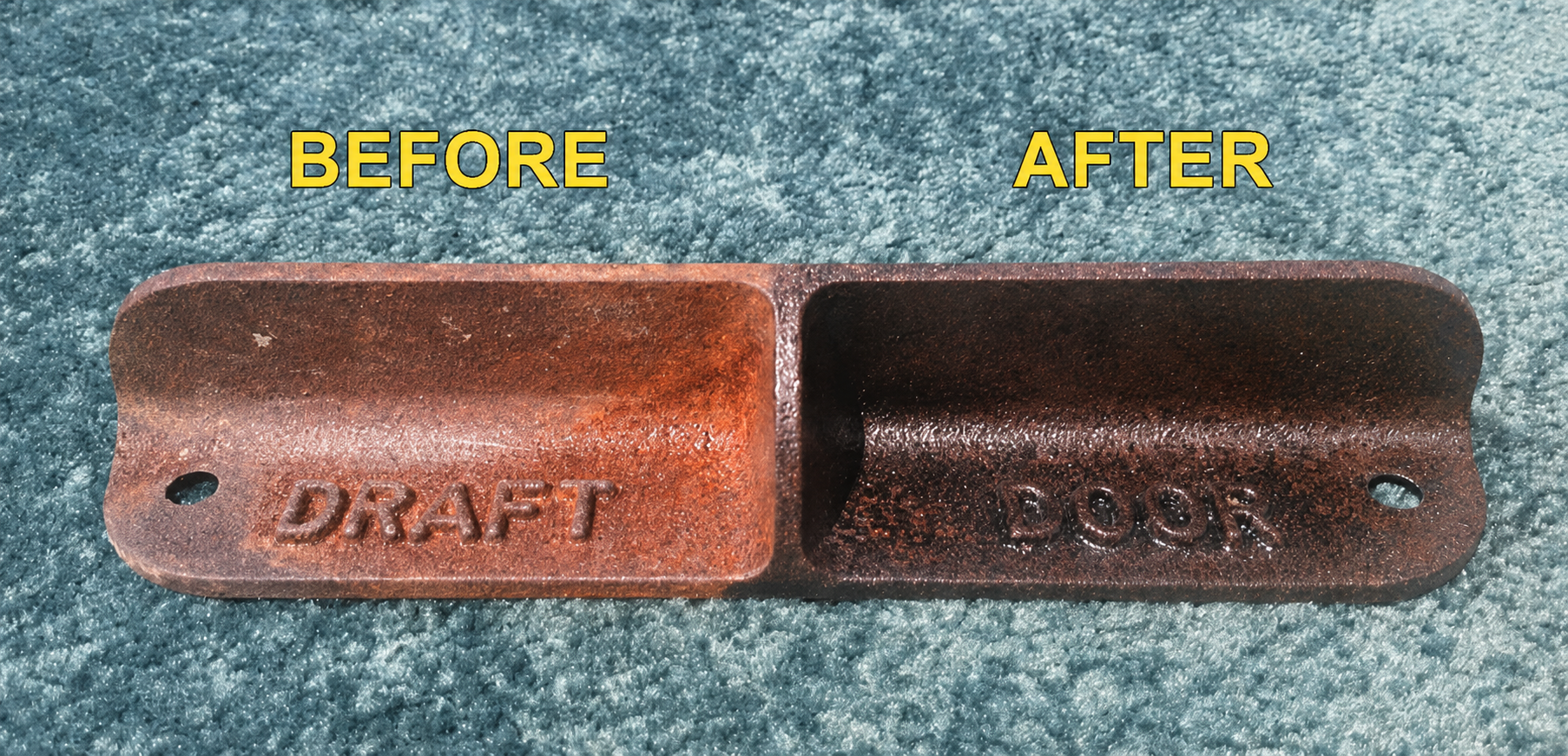
On sound, properly prepared steel, yes — the darkening and the paintable film are exactly what the images show. On perforated metal, nothing works, ours included.
How long do results last?
Once converted and topcoated with a suitable paint, the coating protects for as long as the topcoat stays intact. The topcoat is what takes the weather; damage it and rust can restart at that point.
Which bundle do most reviewers use?
Two to three bottles for vehicle and trailer work, one to two for gates and railings, and five to eight for roofing, farm and industrial steel. The coverage calculator on this page sizes it properly.
Will it work on a car that has already been painted over rust?
Not through the paint. Remove the failed paint back to the rust, degrease, then treat the exposed rust.
What if it does not work for me?
The 30-day money-back guarantee runs from delivery. Email support@getrustguard.com with what you treated and what happened — if it was the wrong product for your surface we would rather refund you than argue.
Do you offer a guarantee on the finished job?
We guarantee the product for 30 days from delivery. We cannot guarantee a finished repair, because preparation, conditions and topcoat choice are outside our control.
Is shipping included?
Free tracked shipping applies on bundles of three bottles and above, which is another reason most orders land in the 3, 5 and 8-bottle tiers.
Keep reading
- Rust converter for iron and steel that leaves a paint-ready surface — United KingdomUnited Kingdom: Brush RustGuard™ onto rusted iron or steel, convert the corrosion and topcoat in 24 hours. Bundles from $24, free shipping on 3+.
- How to choose the best rust converter for your project — United KingdomUnited Kingdom: How to judge a rust converter on coverage, cure time, topcoat compatibility and honest limits — plus where RustGuard™ wins and where it does n
- Does rust converter actually work? — United KingdomUnited Kingdom: What a rust converter genuinely does, where it outperforms sanding, and the four situations where it will not help at all.
- How to use rust converter, step by step — United KingdomUnited Kingdom: The full method for applying a rust converter: preparation, degreasing, coats, cure time and topcoating. Written for RustGuard™ but valid for
- Rust converter for cars — United KingdomUnited Kingdom: Treat surface rust on car sills, wheel arches, floor pans and subframes with RustGuard™ — convert, prime and repaint without blasting.
- Rust converter for metal roofs — United KingdomUnited Kingdom: Treat rusting corrugated roofing, gutters and flashing with RustGuard™. Coverage figures, safe access and topcoat guidance.
Last step
Ready to stop the rust?
Tracked delivery across England, Scotland, Wales and Northern Ireland, typically 5–10 business days. 30-day money-back guarantee.