- Encrypted paymentSecure, encrypted checkout
- Tracked worldwideFree on 3+ bottle bundles
- 30-day guaranteeMoney-back if it is not for you
- Clear labellingCoverage and results stated honestly
Stock up & save
Choose your RustGuard™ bundle
Listed in USD and billed in USD; your bank converts to GBP at checkout.
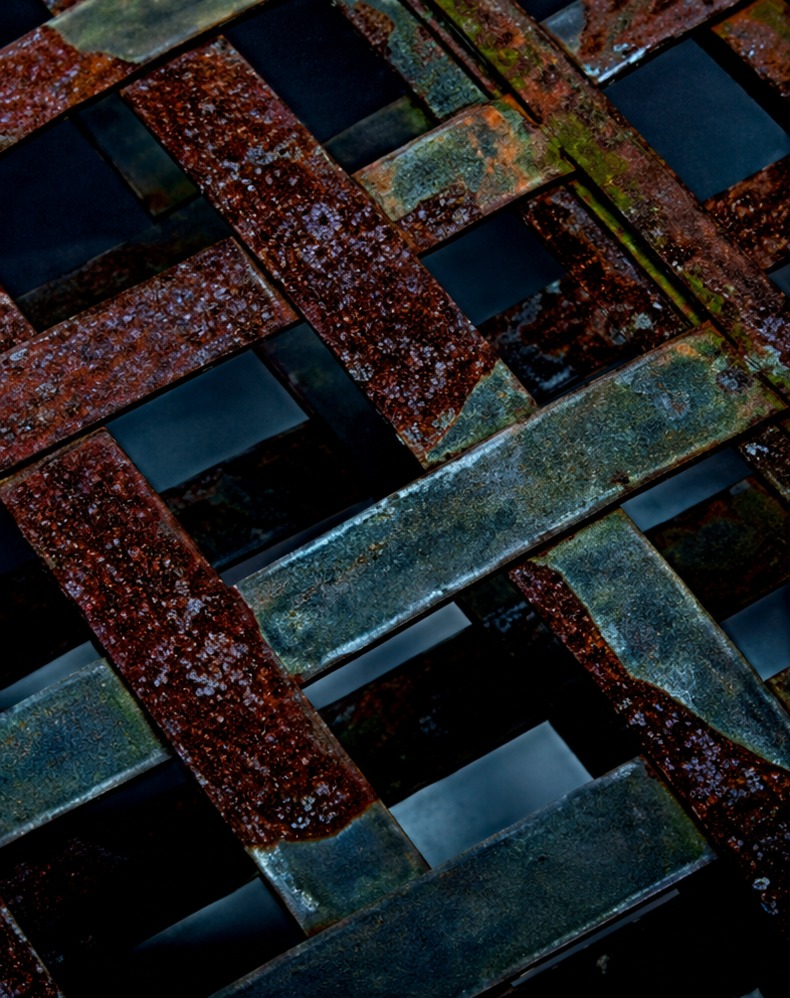
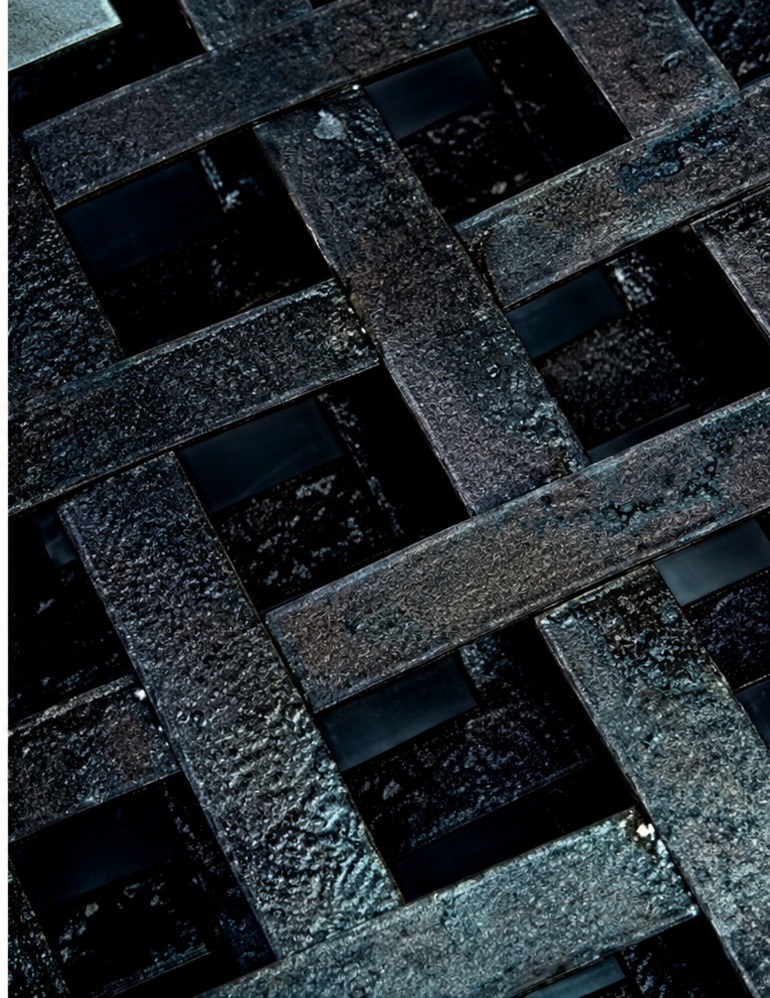
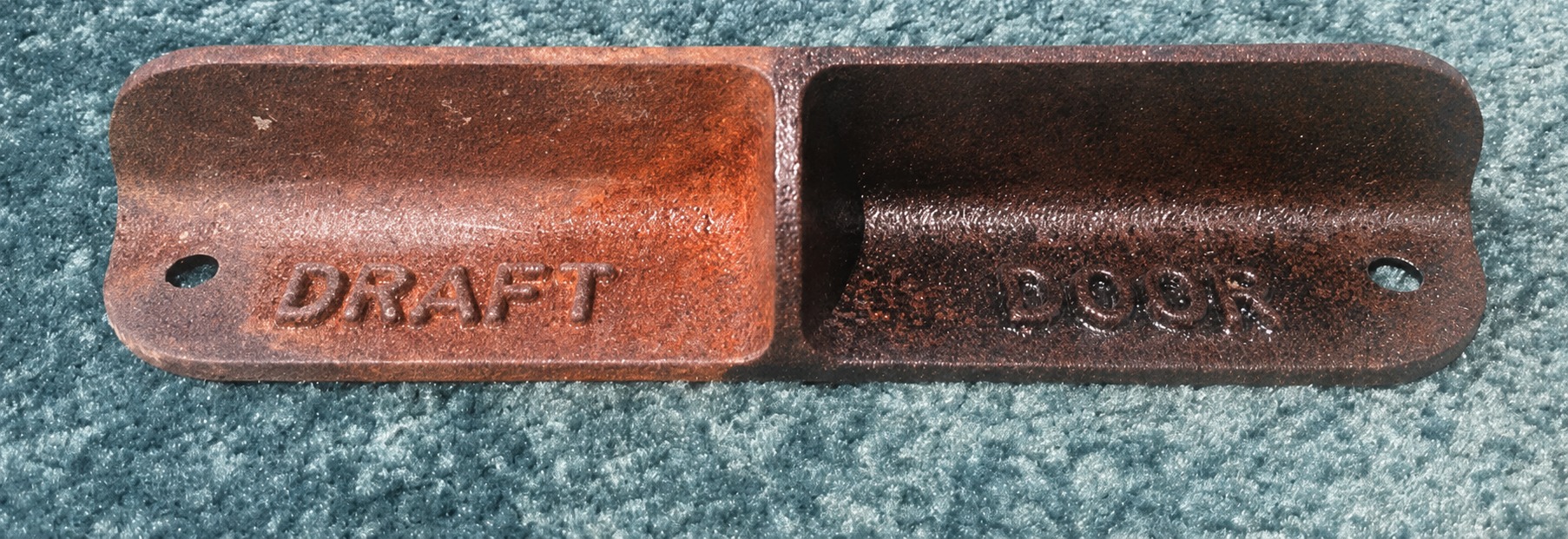
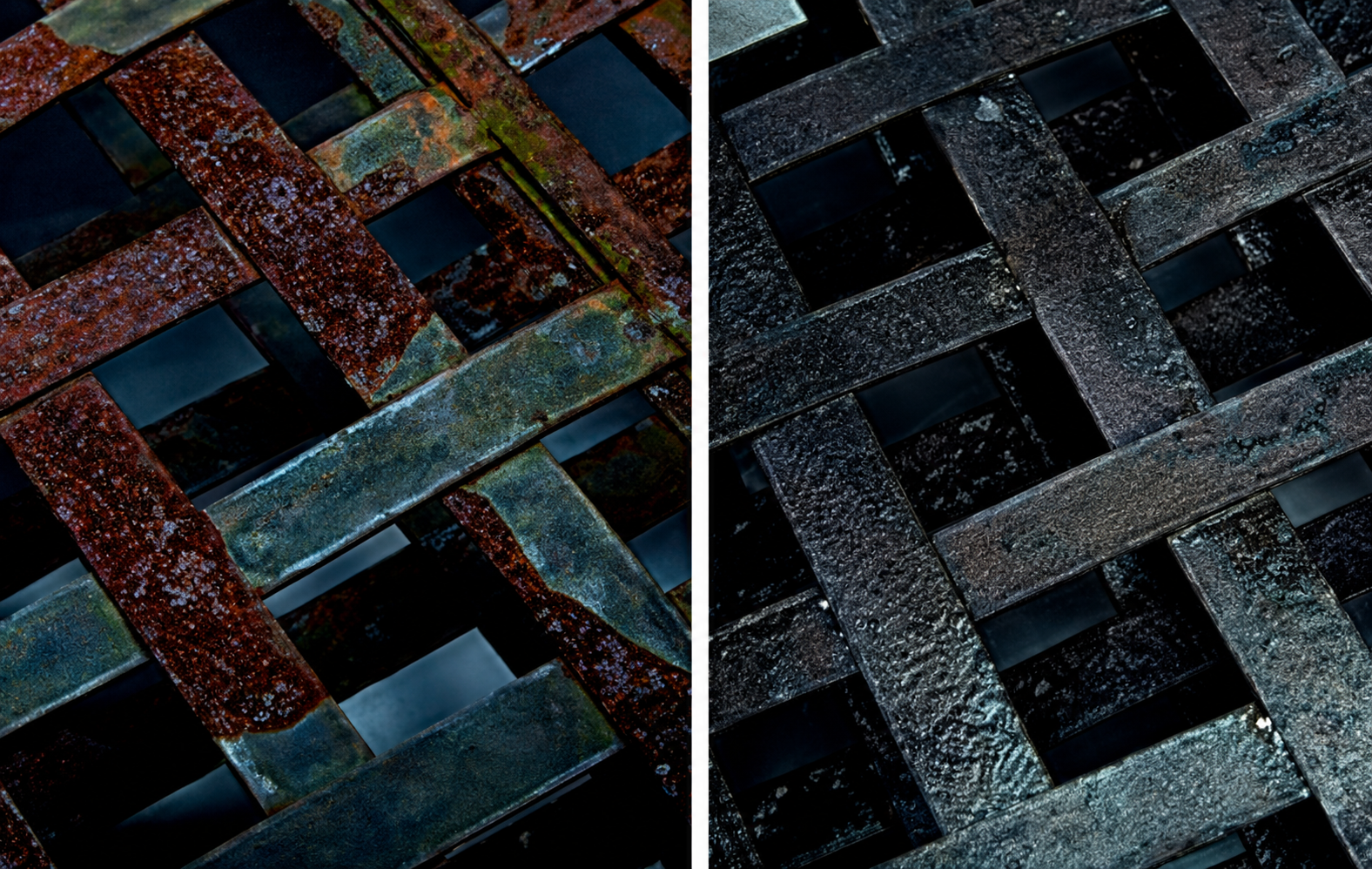
Rusted metal in, paint-ready surface out
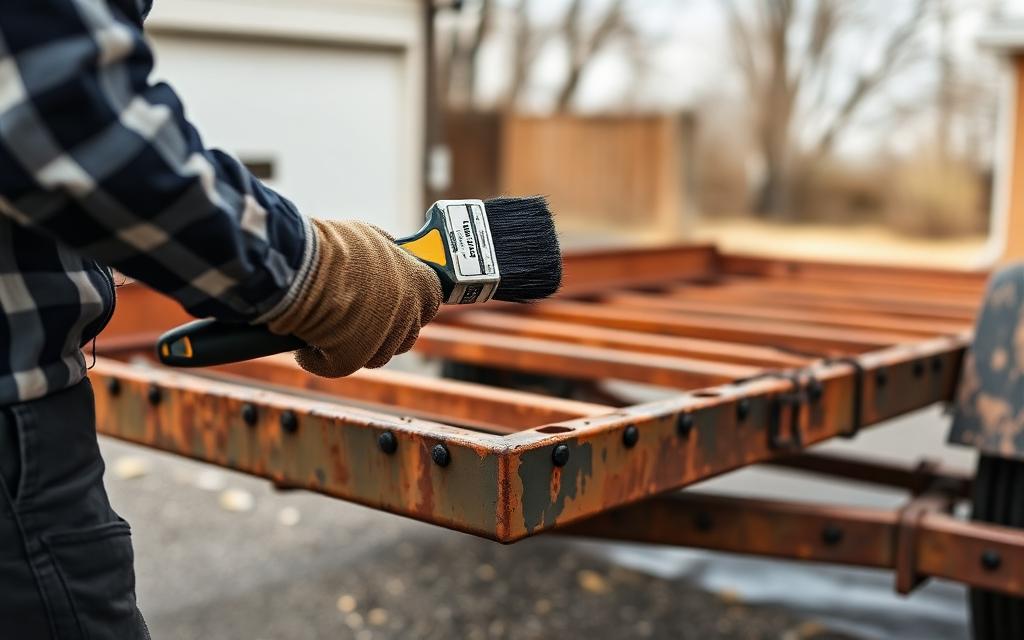
Brush RustGuard™ over sound rust, let it cure, then paint. Images are illustrative — results depend on surface condition and preparation.
The short answer
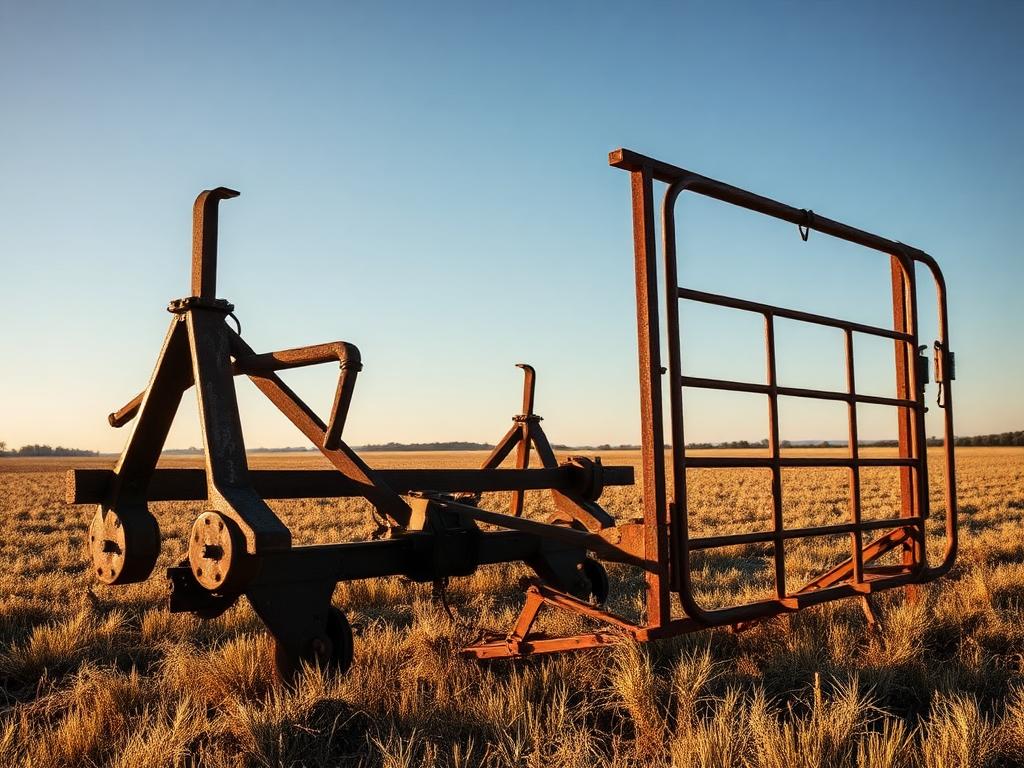
Farm steel is high square footage, high abrasion and low tolerance for downtime, which is why conversion suits it: no dust, no rinsing, no blasting, and the implement can sit part-treated until you have another dry afternoon. Budget five to eight bottles for a serious implement round, and treat it as annual maintenance rather than a one-off restoration.
- Mower decks, feeders, trailers, gates, augers, loader arms and yard racking all qualify
- The eight-pack works out around $9 a bottle and covers roughly 440 sq ft
- Degrease properly — farm steel carries oil, silage residue and manure film
- Never coat wearing parts, hydraulic rams, PTO shafts or threaded adjusters
Where rust shows up first
The areas worth checking before you order.
- Implement frames, toolbars and mounting brackets
- Field gates, hinges, latches and hanging posts
- Feeders, troughs and ring feeders
- Mower decks, topper housings and cutter bar frames
- Trailer chassis, silage trailers and muck spreader bodies
- Handling systems, race panels and hurdles
Step-by-step on this job
- 01
Power wash and let it dry properly
Chemical residues from fertiliser and slurry must come off or they will keep attacking the steel under any film.
- 02
Knock off the flakes
A scraper and wire brush on the worst areas. Agricultural rust is often layered scale — get it down to something solid.
- 03
Degrease around bearings and pivots
Grease migrates further than you expect. Degrease generously, and mask what you cannot clean.
- 04
Brush on, one section at a time
Work in panels so nothing dries before you have covered it. Two coats on heavily pitted plate.
- 05
Topcoat with agricultural enamel
After 24 hours. Matching machinery colours is straightforward once the converted layer is your primer.
What not to do
The cautions that save a re-do.
- Not for surfaces in direct contact with feed or drinking water until the topcoat is fully cured
- Keep it off PTO shafts, hydraulic rams and greased pivots
- Cover hydraulic hoses, wiring and decals before starting
- Structural members that have thinned should be inspected before being coated
Typical quantities
A starting point based on the jobs customers order for most often.
| Job | Bottles |
|---|---|
| Field gate and hinges | 1 bottle |
| Ring feeder or trough | 1 bottle |
| Mower deck or topper | 2 bottles |
| Implement frame and toolbar | 3 bottles |
| Silage trailer body and chassis | 5–8 bottles |
Work out your exact quantity
Area
100 sq ft
Bottles needed
3
Recommended bundle
×3 — $42
Based on up to 55 sq ft per bottle on smooth steel, adjusted for surface condition. Estimates only — measure generously.
Why converters win
RustGuard™ vs the old ways
| Method | RustGuard™ | Grinding / sanding | Naval jelly | Paint straight over rust |
|---|---|---|---|---|
| Works on pitted rust you cannot reach | Partly | |||
| No power tools required | ||||
| Leaves a paint-ready surface | After priming | |||
| Stops the treated rust spreading | ||||
| Low dust, low mess | ||||
| Cost for a 100 sq ft panel | From $24 | Discs + hours | $$ | Repaint yearly |
Read the detail: rust converter vs naval jelly · converter vs remover · how to choose one
What buyers say
Rated by people who hate sanding
Saved my truck bed
Wire-brushed the loose scale, brushed a coat on and left it overnight. Next morning it was a flat black surface that took primer without fighting me.
Dale R. · Tucson, AZ
No more grinding for hours
I restore gates and railings. This cut my prep time in half on pitted sections where the grinder just polishes the rust around.
Marcus H. · Leeds, UK
Held up through the wet season
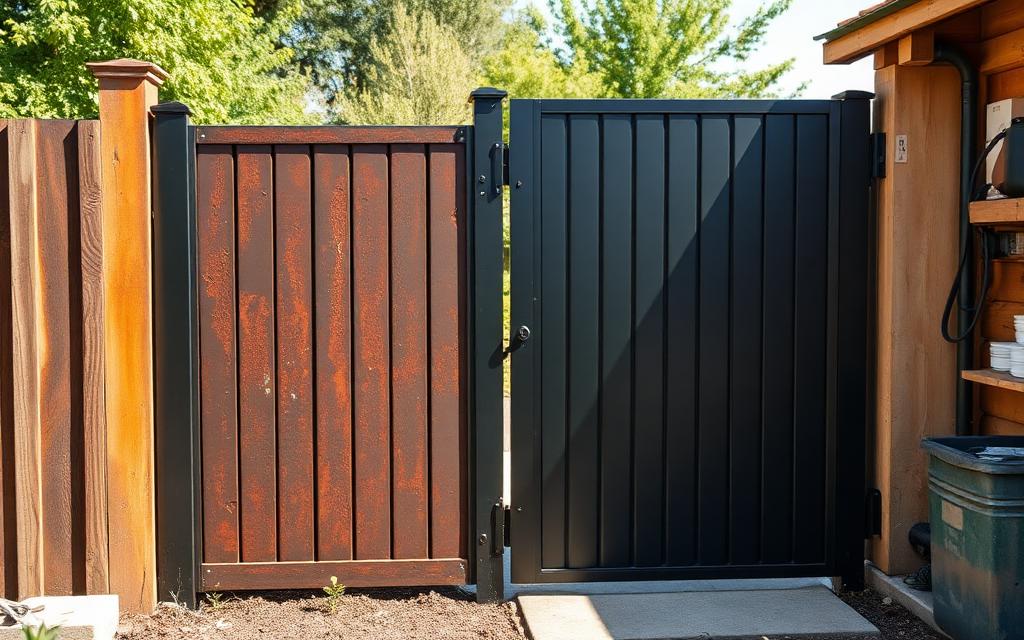
Treated the shed roof sheets and topcoated them. Two seasons of rain later the treated panels still look the way I left them.
Janine K. · Brisbane, AU
Trailer frame looks new
Frame rails were surface-rusted everywhere. Two bottles covered the whole thing with enough left over for the tongue and jack.
Tom V. · Hamilton, ON
Simple to use
Shake, brush, wait. No mixing, no strong acid smell like the jelly products I used before.
Ricardo M. · Houston, TX
Bought the 5-pack, no regrets
Fence posts, patio furniture and a mower deck off one bundle. Ordering the workshop pack was cheaper than buying singles twice.
Ellen S. · Portland, OR
Reviews shown are illustrative sample copy while we collect verified customer feedback.
Buy with confidence
Nothing to lose but the rust
Worldwide shipping
Tracked delivery to the US, UK, Canada, Australia, EU and more. Free on 3-bottle bundles and above.
Encrypted payment
Card details are captured on a secure, encrypted checkout page. We never see or store your card number.
30-day guarantee
If RustGuard™ is not right for your project, contact support within 30 days for a refund of the product price.
No grinder needed
Brush-on chemistry designed for pitted, hard-to-reach rust where abrasives cannot get a bite.
Secure checkout
Order your RustGuard™ bundle
Pick a bundle, tap checkout — that's it. No account, no forms to fight. Your delivery address and payment are collected on the secure checkout page.
Step 1 — Choose your bundle
One bottle covers about 55 sq ft. Treating a whole vehicle, trailer or roof section? Most people need 3 or more.
Free tracked shipping unlocked
Most projects use more than they expect — the ×8 pack drops you to $9.00/bottle (you pay $11.00 now).
Step 2 — Checkout securely
Apple Pay, Google Pay and all major cards are accepted on the secure Shopify checkout — address, payment and confirmation, all in one place.
- 1Tap checkoutYour bundle is reserved in a secure cart.
- 2Pay your wayCard, Apple Pay or Google Pay — under a minute.
- 3Tracked dispatchConfirmation email instantly, packed in 1 business day.
“Ordered the 5-pack, treated the whole trailer frame and still had a bottle spare.”
Tom V. · Hamilton, ON
“Arrived tracked in five days and the brush kit saved me a trip to the store.”
Dale R. · Tucson, AZ
Reviews are illustrative while verified feedback is collected.
Why farm corrosion is faster than road corrosion
Fertiliser, silage effluent, manure and animal urine are all far more aggressive than rain, and equipment sits in contact with them for weeks. Add a machine that lives outdoors, gets pressure-washed but never dried, and stores full of wet material over winter, and you get section loss in years rather than decades.
The pattern is predictable: the inside of feeders and troughs, the underside of mower decks where clippings pack in, trailer floors under a load of muck, the bottom rail of gates standing in mud, and any bolted joint where two plates trap moisture. Those are the areas that repay treatment; the flat outer skins usually look worse and matter less.
This also means degreasing is the make-or-break step on farm work. A deck caked in dried grass and oil mist will bead water, and a converter brushed onto that film will peel off in sheets. Detergent, a stiff brush, a rinse and a real drying day are not optional.
Typical farm jobs and bottle counts
| Job | Approx. area | Bottles |
|---|---|---|
| Mower deck, top and underside | 45 sq ft | 1 bottle |
| Livestock feeder or trough | 60 sq ft | 1–2 bottles |
| Field gate, both faces | 50 sq ft | 1 bottle |
| Tipping trailer body, 10 ft | 220 sq ft | 4 bottles |
| Cultivator or harrow frame | 150 sq ft | 3 bottles |
| Loader arms and bucket exterior | 90 sq ft | 2 bottles |
| Yard racking or shed frame bay | 300 sq ft | 5–6 bottles |
| Annual round on a small holding | 400+ sq ft | 8 bottles |
An implement round that fits into two dry days
- 01
Empty and wash everything first
Muck out feeders and trailer floors, pressure wash the lot, and pick a stretch of dry weather. Wet steel wastes product.
- 02
Degrease the oily and organic areas
Detergent and a stiff brush on decks, joints and anywhere silage or oil has sat. Splash test: water should sheet, not bead.
- 03
Scrape scale and check for section loss
A scraper and wire cup brush on the flaking areas. Anything you can push through goes on the welding list, not the paint list.
- 04
Mask the mechanical parts
Hydraulic rams, PTO shafts, bearings, chains, cutting edges, greasing points and threaded adjusters.
- 05
Brush the joints, insides and undersides first
This is where the corrosion actually is. Then work the open surfaces with a roller or a wide brush.
- 06
Second coat on pitted steel
Feeder bottoms, trailer floors and deck undersides usually justify a second thin coat once the first has darkened.
- 07
Topcoat after 24 hours, then log it
Farm enamel or chassis paint over the cured film. Note the date on the implement — annual touch-ups beat five-yearly rescues.
What to treat, what to replace, and what to leave alone
Treat structural steel with surface rust and pitting: frames, floors, panels, gates, racking, hoppers, non-wearing plate. This is the bulk of a typical farm's corrosion and the part where conversion saves real money against replacement.
Replace anything with section loss in a load path — a cracked drawbar, a thinned axle mount, a hitch with pitting deep enough to feel through the metal. Coatings hide those problems, and on farm equipment the failures are dangerous rather than merely inconvenient.
Leave the working surfaces bare and oiled: cutting edges, tines that must slide through soil, chain runs, bearing housings, hydraulic ram bodies and any mating face. Paint on those either wears off in an hour or interferes with the fit, and neither is worth the product.
Farm-specific cautions
- Let equipment used with livestock cure fully and air out before animals return
- Keep it off hydraulic rams, PTO shafts, bearings, chains and greasing points
- Do not coat cutting edges, tines or wear plates — they will scour it off immediately
- Watch metal temperature: dark implement steel in summer sun is too hot to coat
- Do not treat galvanised gates or sheeting that has not gone red
- Keep product and rinse water away from watercourses, troughs and feed
Honest limits on farm steel
- It cannot restore thinned or perforated load-bearing steel — that is a welder's job
- It will not survive on wear surfaces, cutting edges or anything sliding through soil
- It is not certified for feed-contact or potable water surfaces
- It needs a dry 24-hour window, which in some seasons is the real constraint
- It does nothing on aluminium or unrusted galvanising
- It will not compensate for equipment stored wet and loaded over winter
Shipping to United Kingdom
- Tracked delivery across England, Scotland, Wales and Northern Ireland, typically 5–10 business days.
- Listed in USD and billed in USD; your bank converts to GBP at checkout.
- Free tracked shipping on bundles of 3 bottles and above.
- 30-day money-back guarantee from the date of delivery.
Frequently asked questions
Is it safe around livestock?
Let it cure fully and air out before animals return, and keep it out of feed and water. It is not certified as a feed-contact coating.
Can I use it on feed troughs?
On the outside and frame, yes. For food-contact surfaces, follow the topcoat manufacturer's guidance on suitability.
What about galvanised hurdles?
Treat only where red rust shows through. Sound galvanising should be left alone.
Does slurry attack the treated film?
Aggressive chemical exposure shortens the life of any coating. A tough topcoat and annual touch-up is the realistic maintenance cycle.
How much converter for a full implement round?
Most small holdings get through an eight-pack in a season — roughly 440 sq ft, which covers a trailer body, a couple of gates, a mower deck and a feeder with second coats where needed.
Can I use it on a galvanised gate?
Only where the galvanising has broken down into red rust. Sound galvanising needs a galv primer instead.
Will it hold up on a trailer floor under muck?
Under a proper topcoat, yes, for a season or more. Loading and shovelling is abrasive, so expect annual touch-ups rather than a permanent finish.
Can I spray it over a large frame?
Yes, through a strained garden sprayer or low-pressure gun, then brush the joints and undersides where penetration matters. Budget extra product for overspray.
What topcoat suits farm equipment?
Agricultural or machinery enamel, or chassis paint. Both go over the cured film after 24 hours.
Does it work in a damp shed over winter?
Application needs 50–95°F and a dry surface. In a cold damp shed the reaction stalls — wait for a dry spell or heat the space.
Last step
Ready to stop the rust?
Tracked delivery across England, Scotland, Wales and Northern Ireland, typically 5–10 business days. 30-day money-back guarantee.