- Encrypted paymentSecure, encrypted checkout
- Tracked worldwideFree on 3+ bottle bundles
- 30-day guaranteeMoney-back if it is not for you
- Clear labellingCoverage and results stated honestly
Stock up & save
Choose your RustGuard™ bundle
Listed in USD and billed in USD; your bank converts to GBP at checkout.
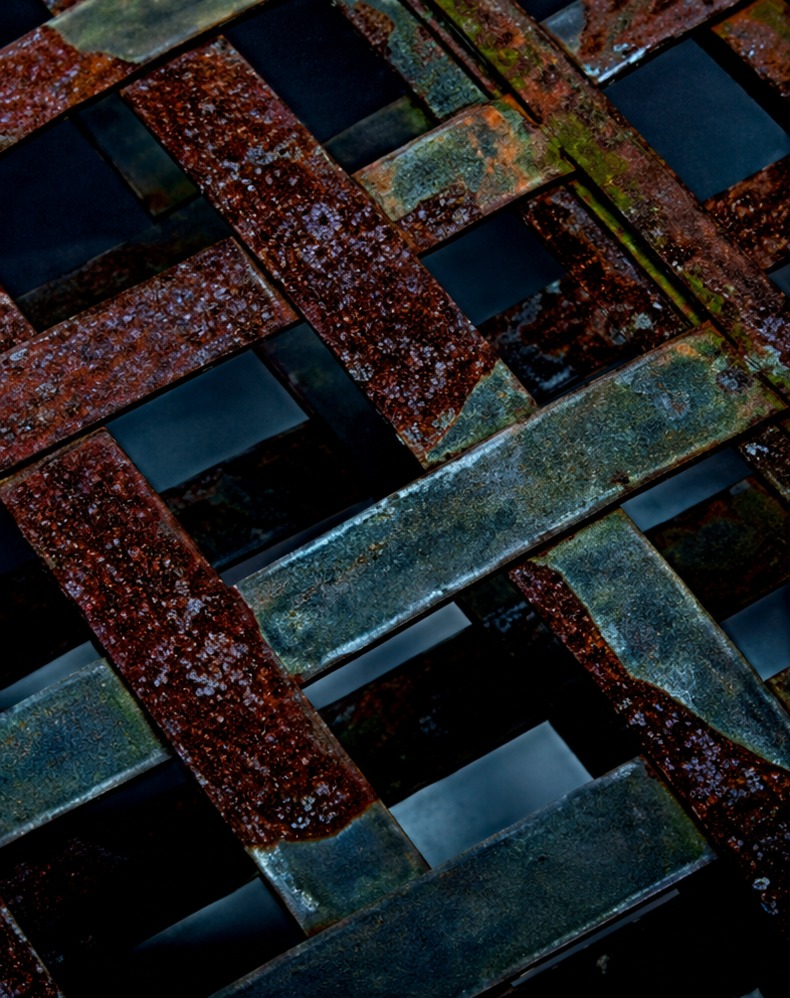
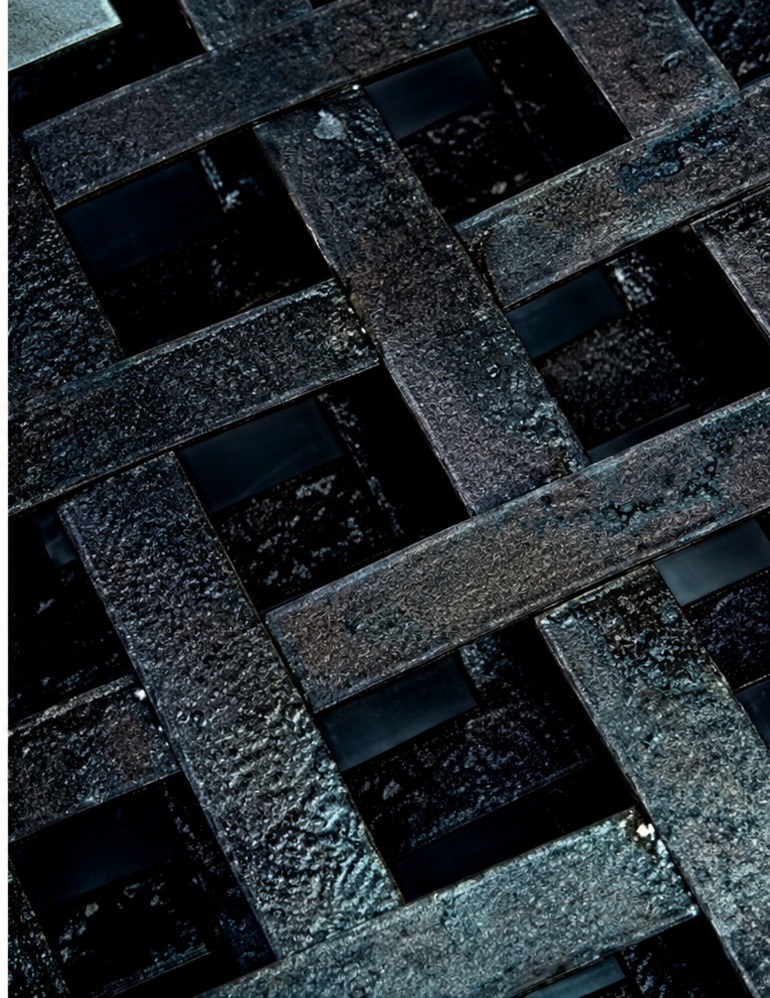
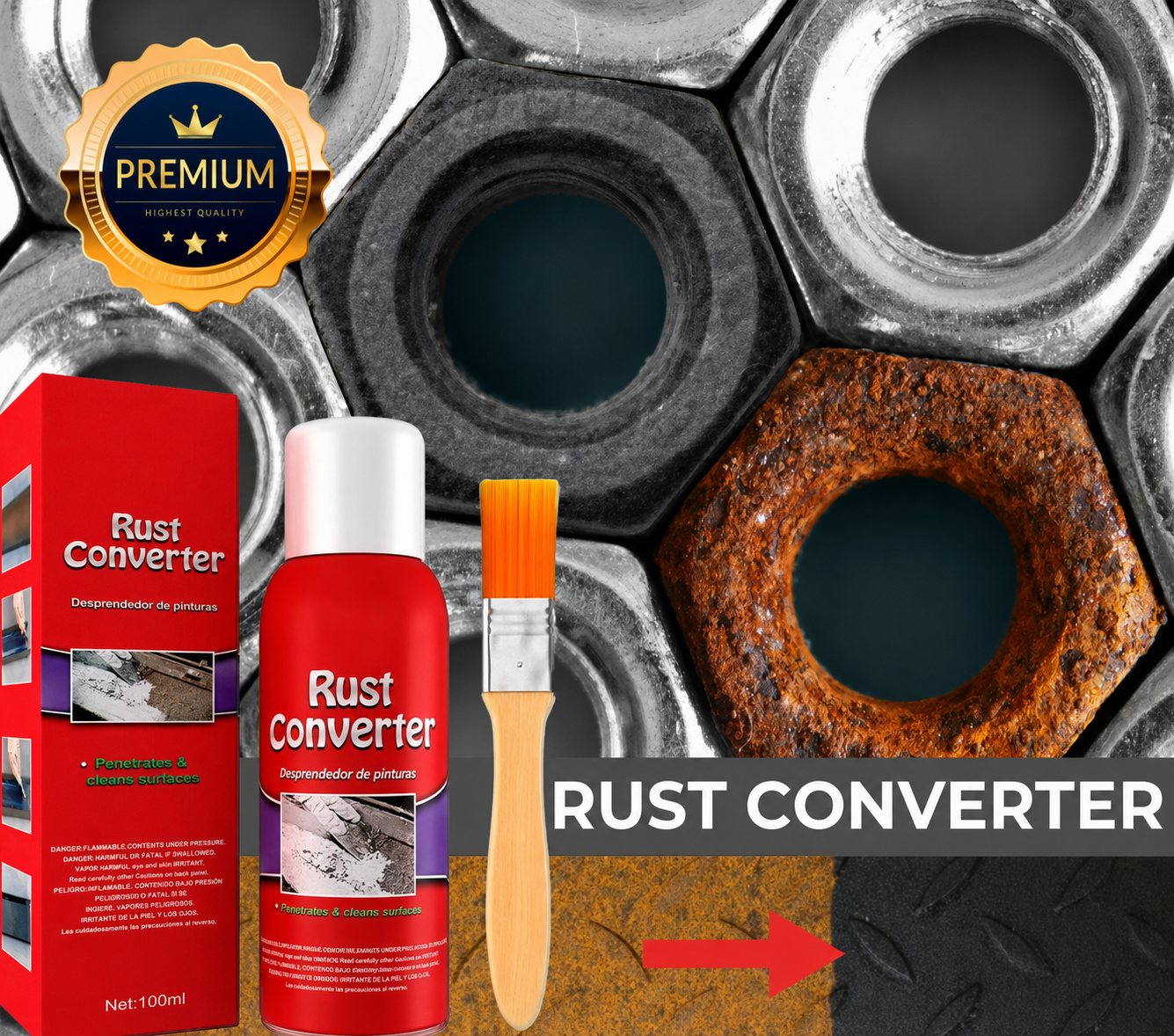
Rusted metal in, paint-ready surface out
Brush RustGuard™ over sound rust, let it cure, then paint. Images are illustrative — results depend on surface condition and preparation.
The short answer
A pickup or light-truck frame is the textbook converter job: box-section steel you cannot dismantle, packed with road salt, rusting around every drain hole and bracket. Pressure wash, dry for a day, scrape the scale, brush converter along the rails and into the seams, then chassis-coat after 24 hours. Budget three to five bottles for a light-duty frame, five to eight for a heavy-duty frame plus bed.
- Two thin coats are standard on salt-pitted frames, not optional
- Treat drain holes, crossmember tops and spring hangers — the spots everyone misses
- Cavity wax the inside of the rails after the outside is topcoated
- Load-bearing steel that has thinned needs a fabricator, not a coating
Where rust shows up first
The areas worth checking before you order.
- Ladder frame rails, crossmembers and shackle mounts
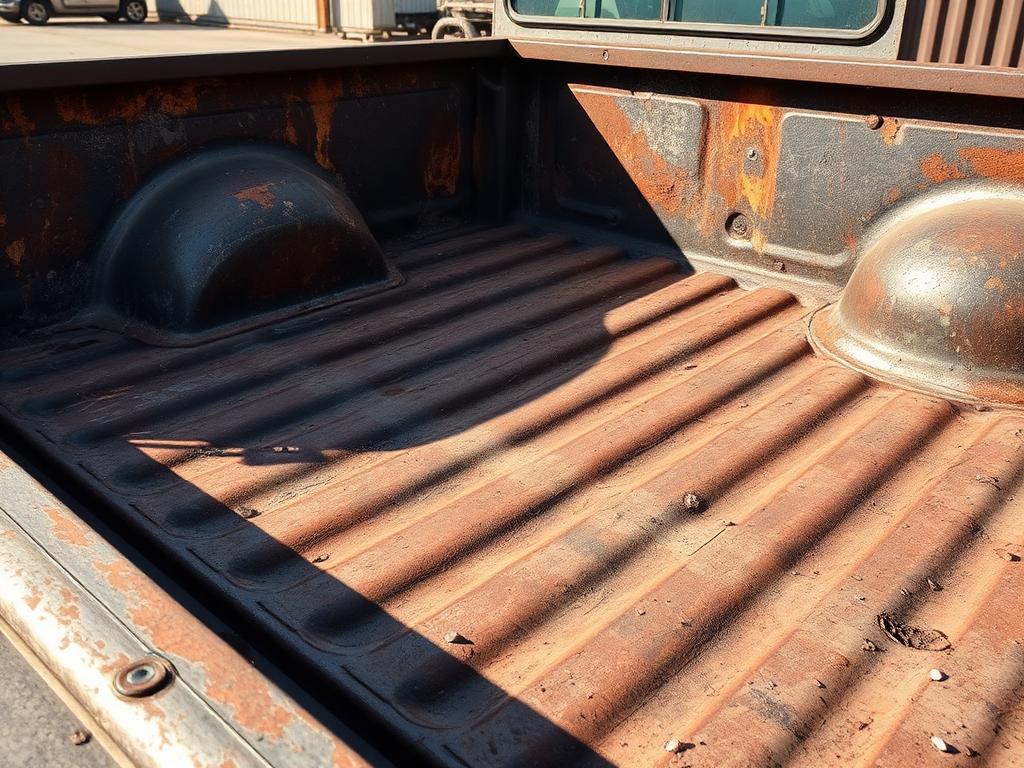
- Bed floor, wheel well liners and stake pockets
- Tailgate hinge area and lower tailgate skin
- Tow hitch receiver, safety chain loops and mounting plate
- Cab corners, rocker panels and step area
- Leaf spring hangers and shock mounts
Step-by-step on this job
- 01
Pressure wash the underside
Get the mud and salt off, especially inside crossmembers and above the leaf springs. Then let it dry for a full day.
- 02
Scrape the scale
A stiff scraper and a wire cup brush on flaking areas. Aim for a surface where nothing lifts, not for shiny steel.
- 03
Degrease and mask
Degreaser on the oily areas, then tape off lines, sensors and rubber components.
- 04
Brush along the rails
Work the converter into weld seams, gusset edges and around every bracket. A long-handled brush saves your shoulders.
- 05
Topcoat after 24 hours
Chassis black or a rubberised underbody coating over the cured film. Re-treat any spot that shows orange bleed-through.
What not to do
The cautions that save a re-do.
- Mask brake lines, fuel lines and ABS sensor wiring before you start
- Do not coat sliding or threaded surfaces you need to adjust later
- Check inside frame drain holes — untreated internal rust keeps working
- Load-bearing metal that has thinned needs a fabricator's opinion first
Typical quantities
A starting point based on the jobs customers order for most often.
| Job | Bottles |
|---|---|
| Tow hitch and rear crossmember | 1 bottle |
| Bed floor | 2 bottles |
| Full ladder frame, light-duty | 3–5 bottles |
| Full frame plus bed, heavy-duty | 5–8 bottles |
| Cab corners and rockers | 1–2 bottles |
Work out your exact quantity
Area
100 sq ft
Bottles needed
3
Recommended bundle
×3 — $42
Based on up to 55 sq ft per bottle on smooth steel, adjusted for surface condition. Estimates only — measure generously.
Why converters win
RustGuard™ vs the old ways
| Method | RustGuard™ | Grinding / sanding | Naval jelly | Paint straight over rust |
|---|---|---|---|---|
| Works on pitted rust you cannot reach | Partly | |||
| No power tools required | ||||
| Leaves a paint-ready surface | After priming | |||
| Stops the treated rust spreading | ||||
| Low dust, low mess | ||||
| Cost for a 100 sq ft panel | From $24 | Discs + hours | $$ | Repaint yearly |
Read the detail: rust converter vs naval jelly · converter vs remover · how to choose one
What buyers say
Rated by people who hate sanding
Saved my truck bed
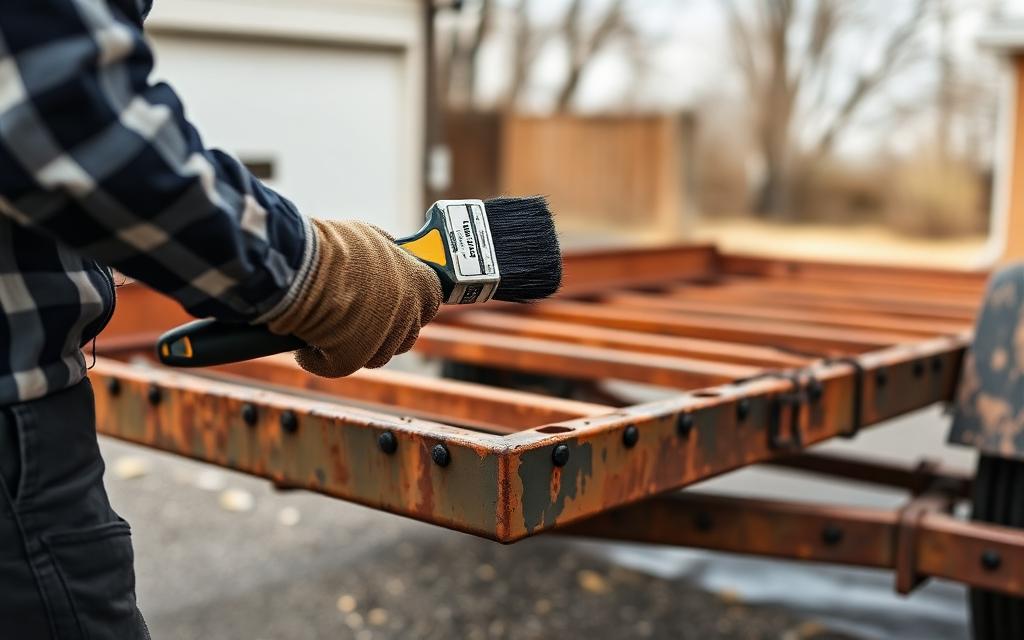
Wire-brushed the loose scale, brushed a coat on and left it overnight. Next morning it was a flat black surface that took primer without fighting me.
Dale R. · Tucson, AZ
No more grinding for hours
I restore gates and railings. This cut my prep time in half on pitted sections where the grinder just polishes the rust around.
Marcus H. · Leeds, UK
Held up through the wet season
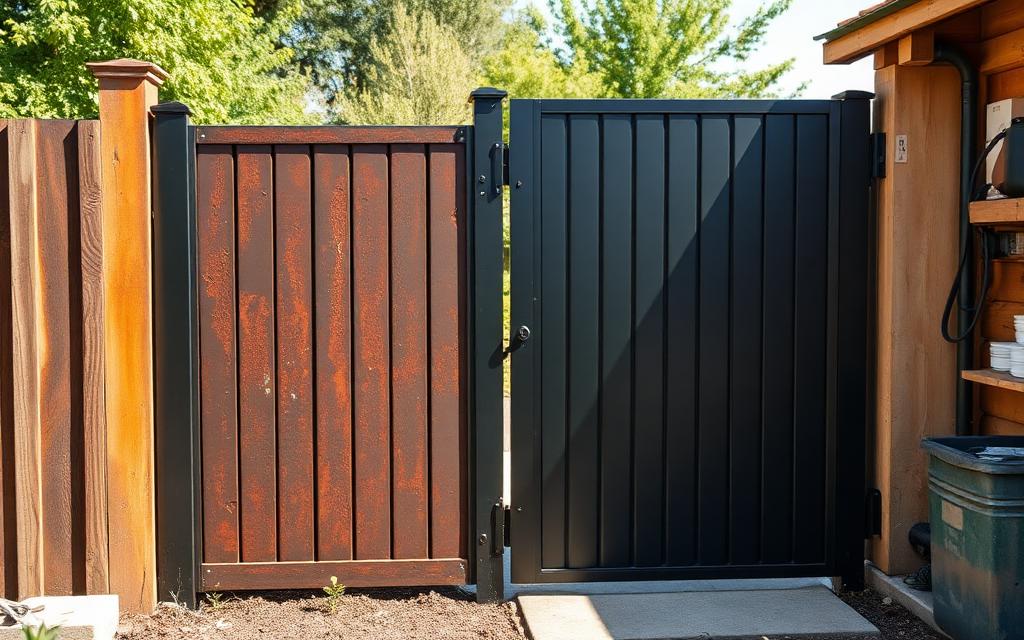
Treated the shed roof sheets and topcoated them. Two seasons of rain later the treated panels still look the way I left them.
Janine K. · Brisbane, AU
Trailer frame looks new
Frame rails were surface-rusted everywhere. Two bottles covered the whole thing with enough left over for the tongue and jack.
Tom V. · Hamilton, ON
Simple to use
Shake, brush, wait. No mixing, no strong acid smell like the jelly products I used before.
Ricardo M. · Houston, TX
Bought the 5-pack, no regrets
Fence posts, patio furniture and a mower deck off one bundle. Ordering the workshop pack was cheaper than buying singles twice.
Ellen S. · Portland, OR
Reviews shown are illustrative sample copy while we collect verified customer feedback.
Buy with confidence
Nothing to lose but the rust
Worldwide shipping
Tracked delivery to the US, UK, Canada, Australia, EU and more. Free on 3-bottle bundles and above.
Encrypted payment
Card details are captured on a secure, encrypted checkout page. We never see or store your card number.
30-day guarantee
If RustGuard™ is not right for your project, contact support within 30 days for a refund of the product price.
No grinder needed
Brush-on chemistry designed for pitted, hard-to-reach rust where abrasives cannot get a bite.
Secure checkout
Order your RustGuard™ bundle
Pick a bundle, tap checkout — that's it. No account, no forms to fight. Your delivery address and payment are collected on the secure checkout page.
Step 1 — Choose your bundle
One bottle covers about 55 sq ft. Treating a whole vehicle, trailer or roof section? Most people need 3 or more.
Free tracked shipping unlocked
Most projects use more than they expect — the ×8 pack drops you to $9.00/bottle (you pay $11.00 now).
Step 2 — Checkout securely
Apple Pay, Google Pay and all major cards are accepted on the secure Shopify checkout — address, payment and confirmation, all in one place.
- 1Tap checkoutYour bundle is reserved in a secure cart.
- 2Pay your wayCard, Apple Pay or Google Pay — under a minute.
- 3Tracked dispatchConfirmation email instantly, packed in 1 business day.
“Ordered the 5-pack, treated the whole trailer frame and still had a bottle spare.”
Tom V. · Hamilton, ON
“Arrived tracked in five days and the brush kit saved me a trip to the store.”
Dale R. · Tucson, AZ
Reviews are illustrative while verified feedback is collected.
Where salt actually attacks a truck
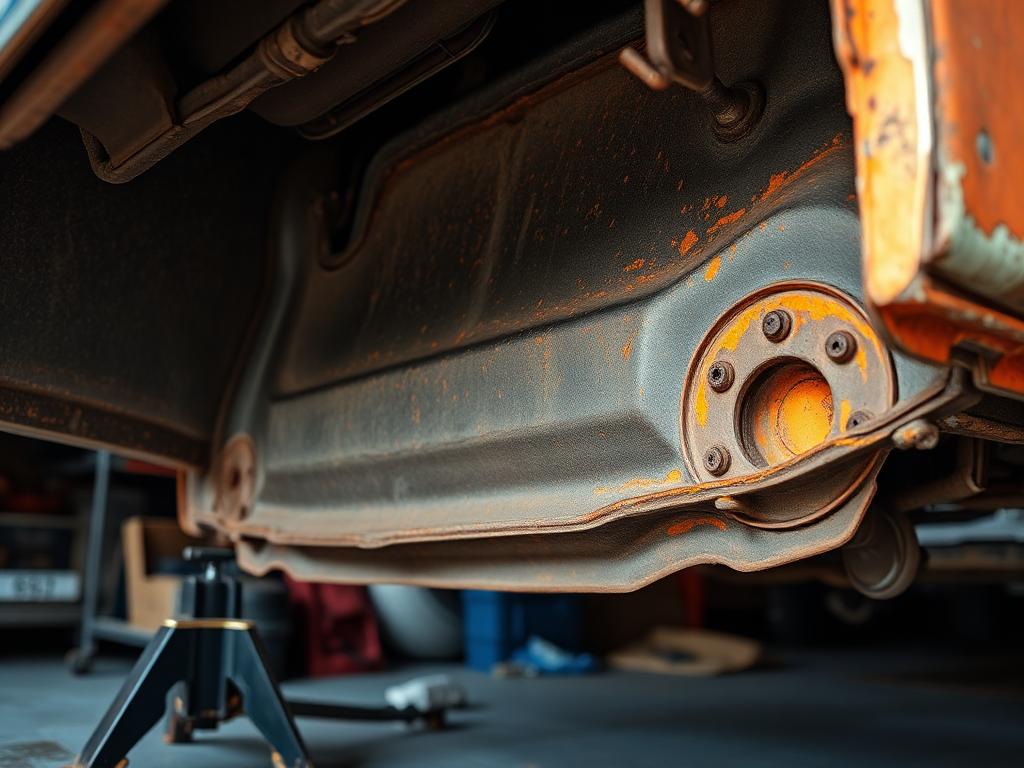
Salt does not corrode evenly. It collects where mud and water sit longest: the top faces of crossmembers, the pockets above leaf springs, inside frame drain holes, behind brackets bolted flat against the rail, and in the lip where the bed floor meets the wheel well. Those are the places to inspect before you buy anything, because they set your bottle count.
The outer faces of the rails usually look worse than they are — surface rust, easy to reach, easy to treat. The pockets look better than they are, because the mud hides them, and they are where a frame eventually fails. Getting a scraper and a hose into those pockets is 80% of the work on a truck.
Bed floors are their own job. Loads scuff the coating, water sits in the corrugations, and stake pockets funnel it into the seams. Treat the bed as a separate area with its own bottle rather than as part of the frame total.
Frame and bed quantities
| Area | Light-duty | Heavy-duty / long bed |
|---|---|---|
| Tow hitch and rear crossmember | 1 bottle | 1 bottle |
| Bed floor and wheel wells | 2 bottles | 2–3 bottles |
| Full ladder frame | 3–4 bottles | 5–6 bottles |
| Cab corners and rockers | 1 bottle | 1–2 bottles |
| Leaf spring hangers and shock mounts | 1 bottle | 1 bottle |
| Whole underside, frame plus bed | 5 bottles | 8 bottles |
A two-weekend frame job that actually lasts
- 01
Weekend one: wash it properly
Pressure wash the whole underside, get inside crossmembers and above the springs. Then leave it a full day to dry — a frame holds water in places you cannot see.
- 02
Scrape and wire-cup the scale
Stiff scraper on the flaking areas, wire cup brush on the drill for the rails. Stop when nothing lifts, not when it shines.
- 03
Degrease the oily zones and mask
Degreaser around the engine and transmission crossmembers, then tape off brake and fuel lines, ABS wiring and anything threaded.
- 04
Brush the rails end to end
A long-handled brush saves your shoulders. Work into weld seams, gusset edges, bracket margins and around every bolt head.
- 05
Second coat on the pitted areas
Once the first coat has darkened and is touch dry, go back over the spring pockets, crossmember tops and anywhere salt-pitted.
- 06
Weekend two: chassis coat
After a full cure, chassis black or a rubberised underbody coating over the treated steel. Re-treat any spot showing orange bleed-through first.
- 07
Cavity wax the rail interiors
Once the outside is finished, pump cavity wax through the existing holes. Converter treats what you can wet; wax handles what you cannot.
Fleet and repeat-use economics
If you run more than one truck, the maths changes. The eight-pack at $72 works out around $9 a bottle and covers roughly 440 sq ft — enough for a light-duty frame and bed on two trucks, or one thorough heavy-duty job with product left for touch-ups through the year.
The pattern that works for small fleets and farms is an annual round rather than a rescue: wash in late spring after the salt season, walk each vehicle with a bottle and a brush, treat what has appeared, and topcoat the treated spots. That is an hour per truck and it keeps frames out of the expensive category.
Sealed bottles store well in a frost-free space, so buying at pack pricing and working through it beats reordering singles at full price every time you spot a patch.
What not to do on a truck
- Skipping the drying day after pressure washing — the frame is still wet inside
- Coating over mud in the spring pockets because it looked dry on the surface
- Getting product on brake components, ABS sensors or threads you need to adjust
- Relying on a converter to treat the inside of the rails instead of cavity wax
- Underseal over an uncured film, which blisters within months
- Coating a rail that has thinned or holed instead of getting it assessed
Honest limits on frame work
- Perforated or thinned frame steel is a fabrication job — a coating hides a safety issue
- It only treats what you can physically wet; internal cavities need wax
- Brake friction surfaces, bearings and threaded adjusters must be masked and left alone
- Aluminium bed skins, stainless trim and unrusted galvanised parts are not candidates
- It will not survive uncoated on a working truck — the topcoat carries the abrasion
- It cannot fix a drainage design flaw; clear the holes or the pockets refill
Shipping to United Kingdom
- Tracked delivery across England, Scotland, Wales and Northern Ireland, typically 5–10 business days.
- Listed in USD and billed in USD; your bank converts to GBP at checkout.
- Free tracked shipping on bundles of 3 bottles and above.
- 30-day money-back guarantee from the date of delivery.
Frequently asked questions
Is one coat enough on a salted frame?
Rarely. Salt-pitted steel wants two thin coats, with the second applied once the first has turned dark and is touch dry.
Can I do it with the truck on the ground?
You can reach the bed, hitch and rockers. Frame rails realistically need ramps or a lift.
Will it survive winter road salt?
Converted film plus a good chassis topcoat is exactly the intended combination. Bare converted film with no topcoat will not last a salted winter.
What about inside the frame rails?
Converter reaches only what you can wet. Treat and topcoat the outside, then pump cavity wax through the factory holes.
How many bottles for a full pickup frame?
Three to four for a light-duty frame, five to six for heavy-duty, and eight if you are doing frame and bed thoroughly with second coats on the pitting.
Can I do this without a lift?
You can reach the bed, hitch, cab corners and rockers on the ground. A full frame realistically needs ramps or axle stands and a creeper.
Can I coat over a previous underseal?
Only where the underseal has failed and you have removed the loose material back to sound rust or metal. Converter needs to touch the rust to work.
Does it work on a bed liner area?
On the steel bed floor, yes, once liners and mats are out. Do not apply it to a plastic drop-in liner.
Keep reading
- Rust converter for cars — United KingdomUnited Kingdom: Treat surface rust on car sills, wheel arches, floor pans and subframes with RustGuard™ — convert, prime and repaint without blasting.
- Rust converter for trailers — United KingdomUnited Kingdom: Treat rust on trailer frames, decks, ramps and hitches with RustGuard™ — brush on, cure 24 hours, topcoat. Bundles from $24.
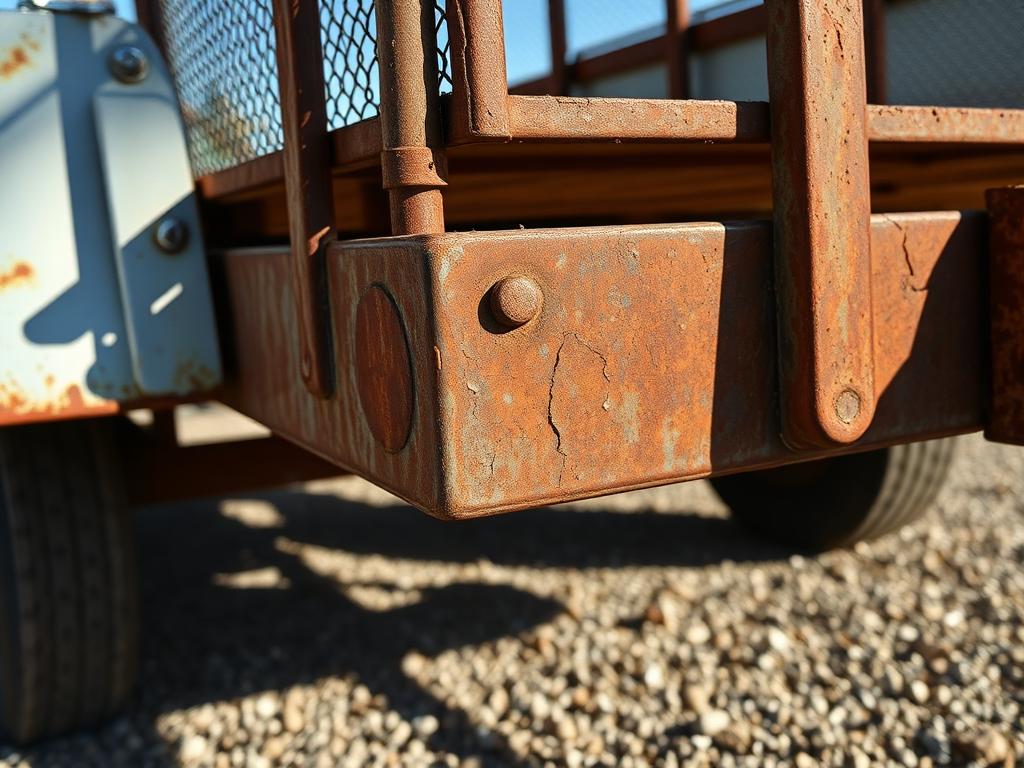
- Rust converter for iron and steel that leaves a paint-ready surface — United KingdomUnited Kingdom: Brush RustGuard™ onto rusted iron or steel, convert the corrosion and topcoat in 24 hours. Bundles from $24, free shipping on 3+.
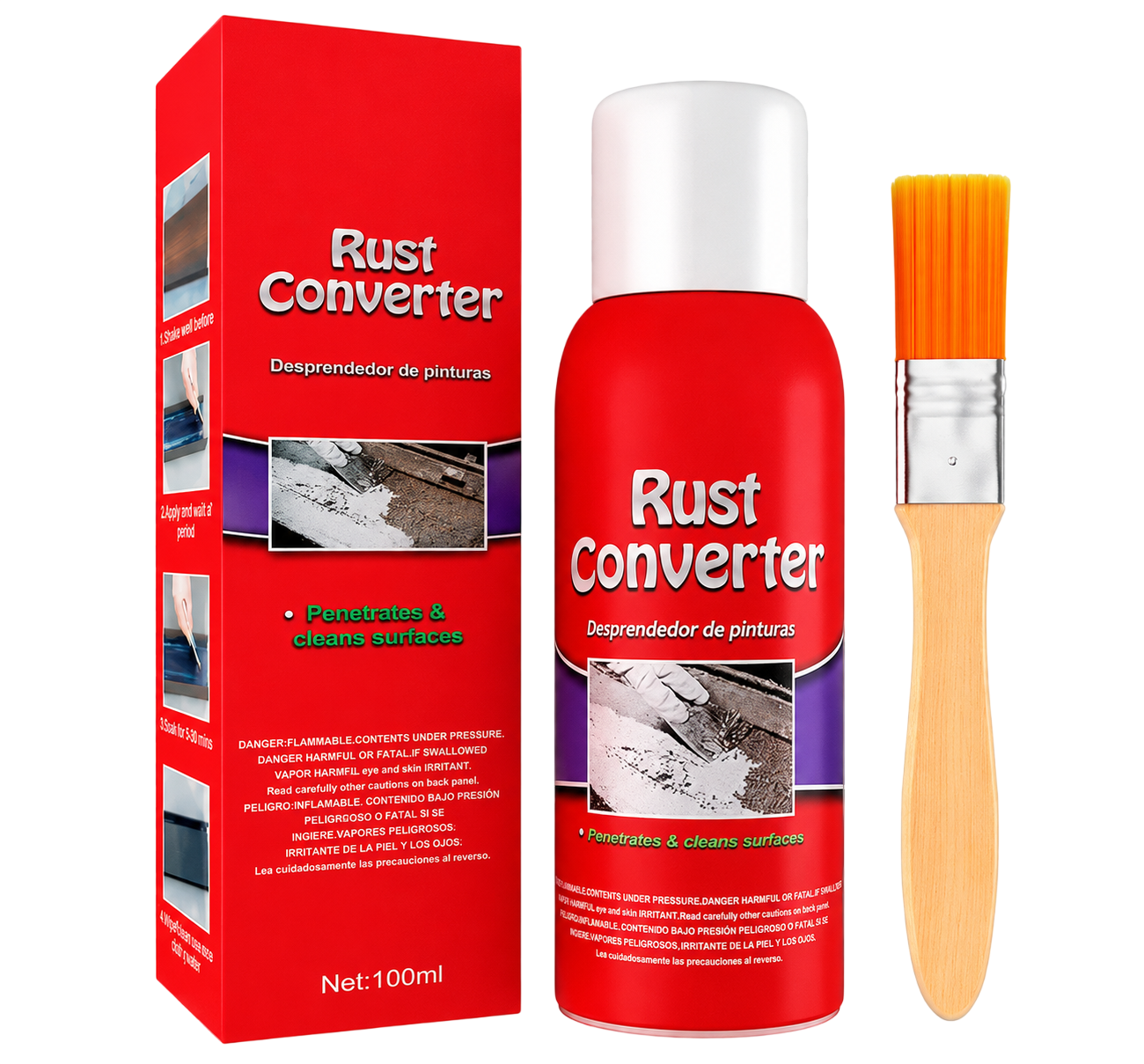
Last step
Ready to stop the rust?
Tracked delivery across England, Scotland, Wales and Northern Ireland, typically 5–10 business days. 30-day money-back guarantee.