- Encrypted paymentSecure, encrypted checkout
- Tracked worldwideFree on 3+ bottle bundles
- 30-day guaranteeMoney-back if it is not for you
- Clear labellingCoverage and results stated honestly
Stock up & save
Choose your RustGuard™ bundle
Listed in USD and billed in USD; your bank converts to AUD at checkout.
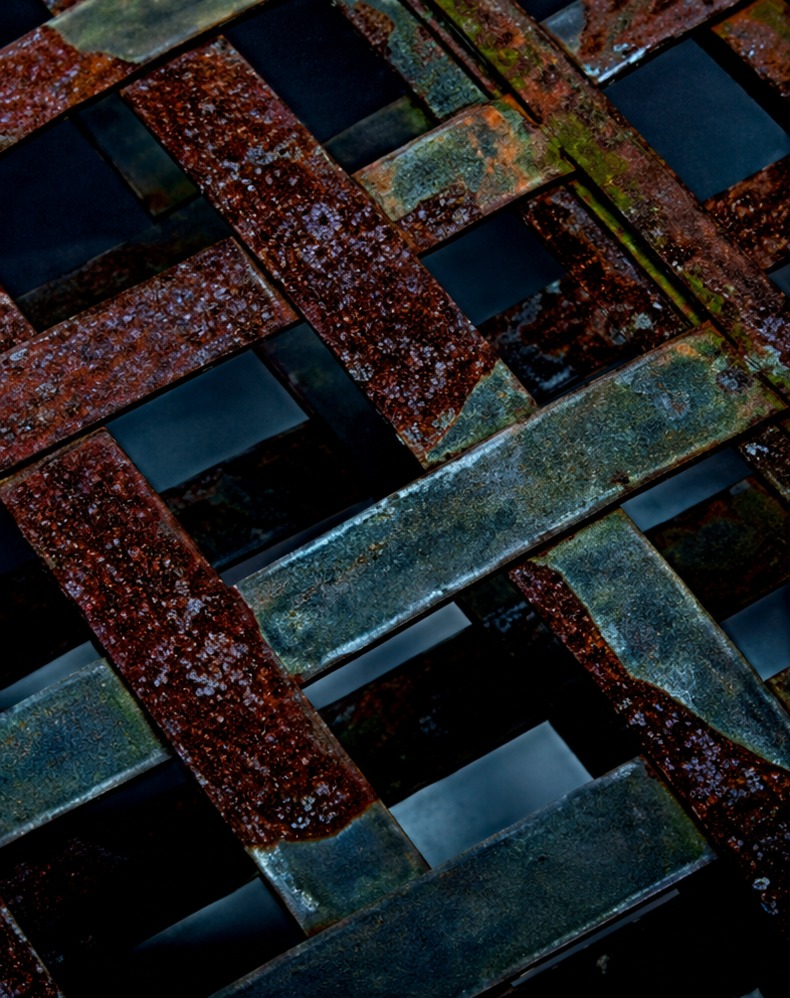
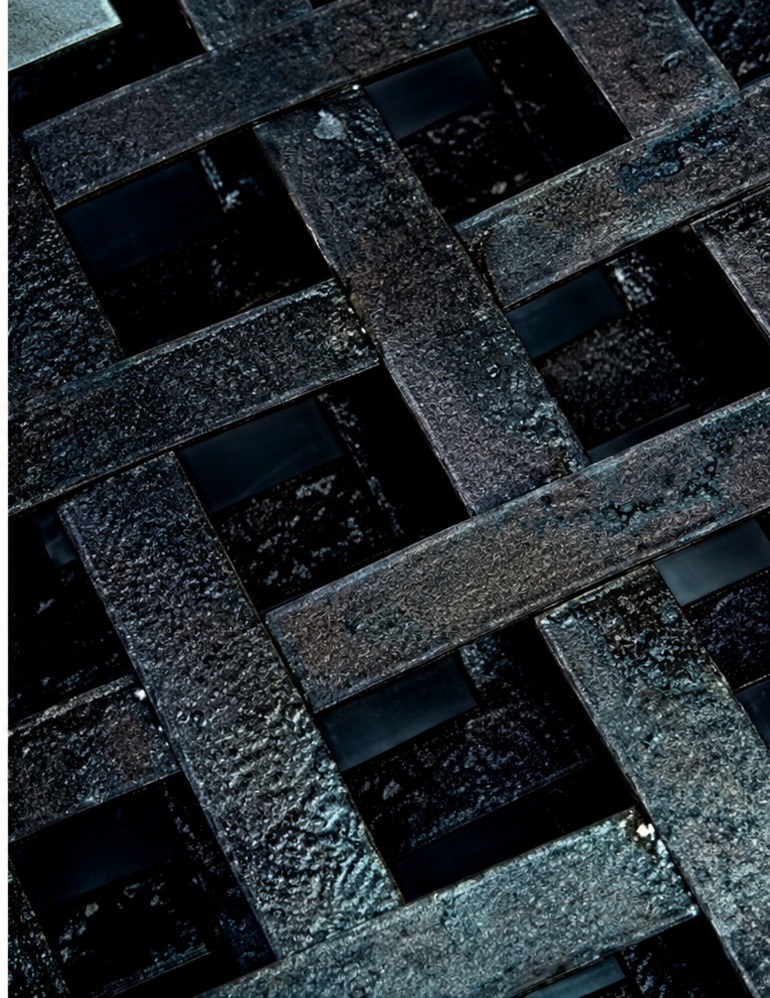
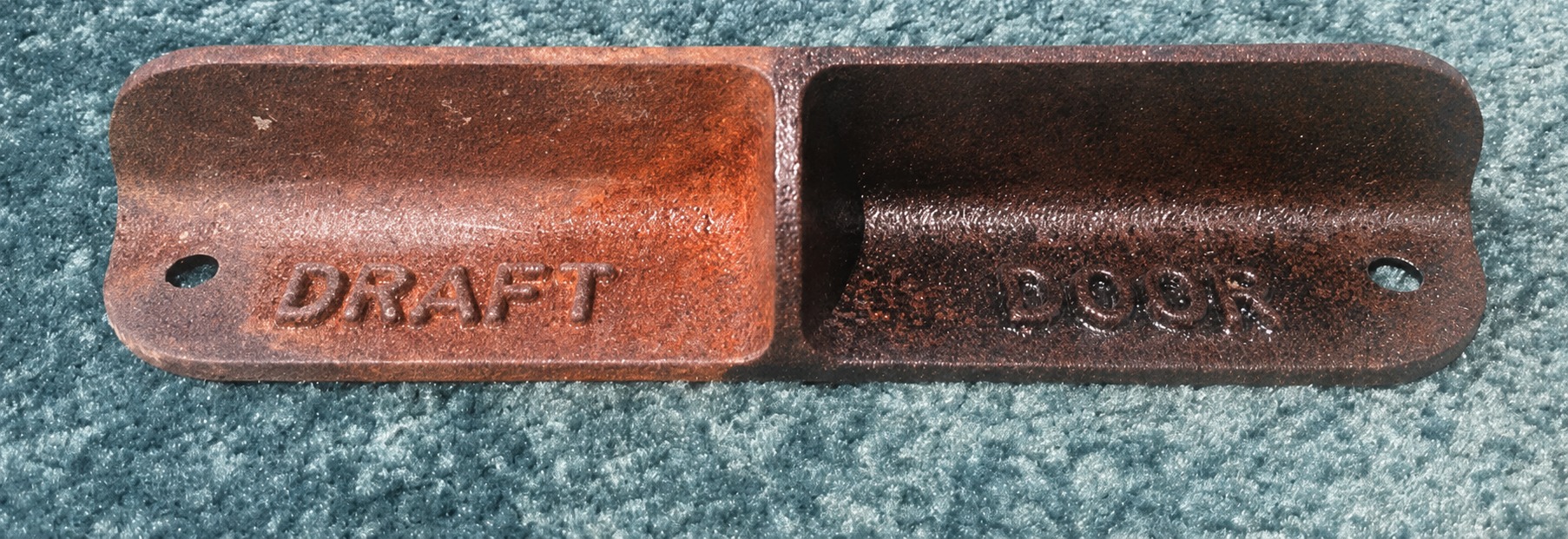
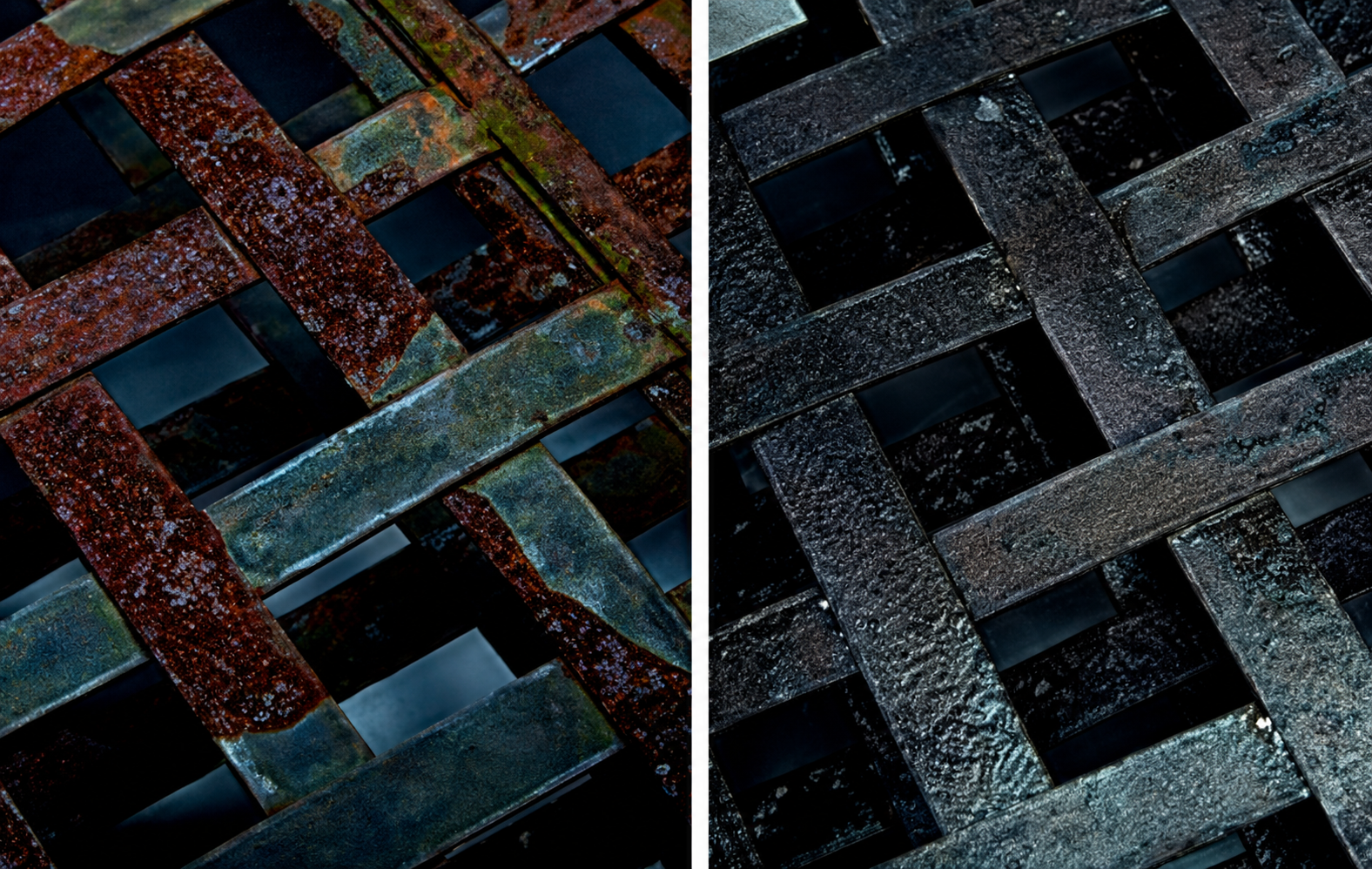
Rusted metal in, paint-ready surface out
Brush RustGuard™ over sound rust, let it cure, then paint. Images are illustrative — results depend on surface condition and preparation.
The short answer
Encapsulators — the category POR-15 sits in — seal rust under a very hard moisture-cured film. Converters chemically change the rust and leave a primer you can paint with almost anything. Encapsulators are tougher against abrasion but unforgiving about prep, recoat windows and repairs. For most accessible jobs, a converter is the more practical and repairable choice.
- Encapsulator: extremely hard film, narrow recoat window, needs sanding to repair
- Converter: softer film, no recoat window pressure, patch repairs are trivial
- Encapsulators must be topcoated for UV; so must converters
- Cost per square foot on a big job strongly favours the converter
How they differ in practice
| RustGuard™ converter | Encapsulating coating | |
|---|---|---|
| Approach | Chemically converts the oxide | Seals the oxide under a hard film |
| Base | Water-based, water cleanup | Usually solvent-based, solvent cleanup |
| Prep tolerance | Handles pitting and staining | Demands a very clean, dry, de-scaled surface |
| If moisture gets under | Reacted layer is already inert | Trapped rust can keep advancing |
| Film hardness | Primer-grade, flexible | Very hard, chip-resistant |
| Repairability | Easy — scuff and recoat | Harder, needs abrading |
| Odour and ventilation | Low | High, respirator recommended |
| Typical cost per sq ft | Lower | Higher |
Which one for which job
Choose an encapsulator when abrasion resistance is the priority and you can guarantee flawless prep — a stripped floor pan, a fuel tank interior, a frame you have already blasted.
Choose a converter when the surface is realistically imperfect: pitted, partly painted, awkward to reach, or too large to prep to a laboratory standard. That describes most gates, trailers, roofs and daily-driver undersides.
You can use them together
- Convert the rust with RustGuard™ and let it cure the full 24 hours
- Spot-test the encapsulator on the cured film in an inconspicuous area
- Once adhesion checks out, apply the hard coating as your abrasion layer
- Keep the film thin on flexing panels so it does not crack at the edges
Converter coverage for your area
Area
100 sq ft
Bottles needed
3
Recommended bundle
×3 — $42
Based on up to 55 sq ft per bottle on smooth steel, adjusted for surface condition. Estimates only — measure generously.
Why converters win
RustGuard™ vs the old ways
| Method | RustGuard™ | Grinding / sanding | Naval jelly | Paint straight over rust |
|---|---|---|---|---|
| Works on pitted rust you cannot reach | Partly | |||
| No power tools required | ||||
| Leaves a paint-ready surface | After priming | |||
| Stops the treated rust spreading | ||||
| Low dust, low mess | ||||
| Cost for a 100 sq ft panel | From $24 | Discs + hours | $$ | Repaint yearly |
Read the detail: rust converter vs naval jelly · converter vs remover · how to choose one
What buyers say
Rated by people who hate sanding
Saved my truck bed
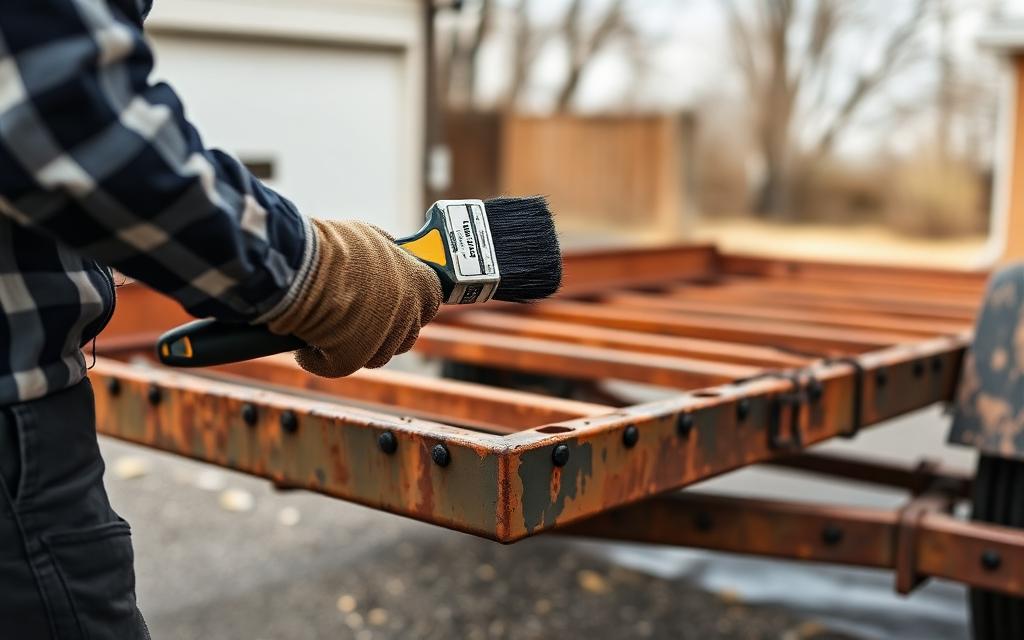
Wire-brushed the loose scale, brushed a coat on and left it overnight. Next morning it was a flat black surface that took primer without fighting me.
Dale R. · Tucson, AZ
No more grinding for hours
I restore gates and railings. This cut my prep time in half on pitted sections where the grinder just polishes the rust around.
Marcus H. · Leeds, UK
Held up through the wet season
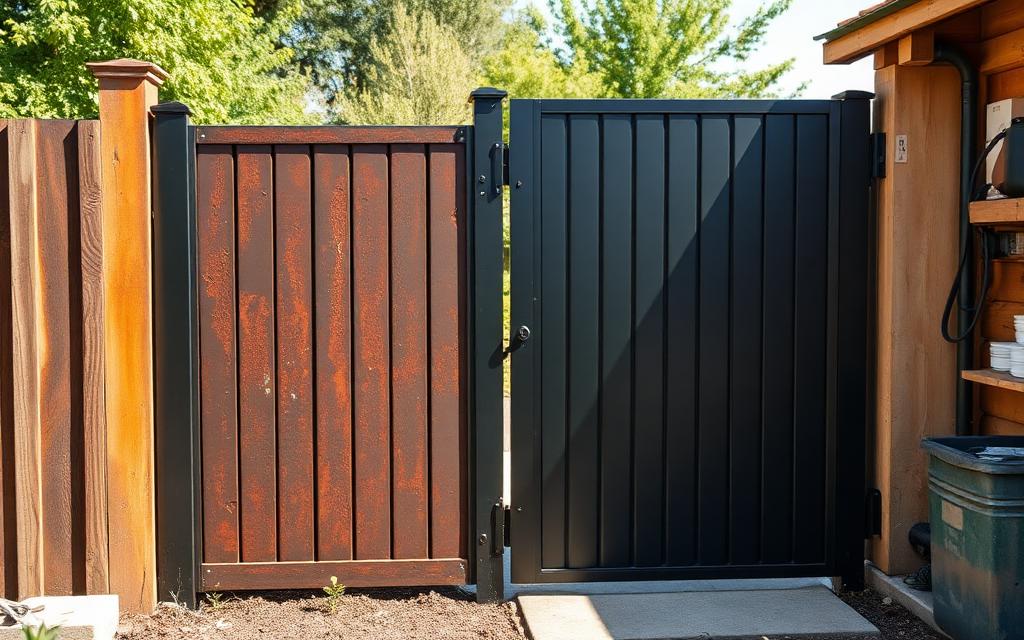
Treated the shed roof sheets and topcoated them. Two seasons of rain later the treated panels still look the way I left them.
Janine K. · Brisbane, AU
Trailer frame looks new
Frame rails were surface-rusted everywhere. Two bottles covered the whole thing with enough left over for the tongue and jack.
Tom V. · Hamilton, ON
Simple to use
Shake, brush, wait. No mixing, no strong acid smell like the jelly products I used before.
Ricardo M. · Houston, TX
Bought the 5-pack, no regrets
Fence posts, patio furniture and a mower deck off one bundle. Ordering the workshop pack was cheaper than buying singles twice.
Ellen S. · Portland, OR
Reviews shown are illustrative sample copy while we collect verified customer feedback.
Buy with confidence
Nothing to lose but the rust
Worldwide shipping
Tracked delivery to the US, UK, Canada, Australia, EU and more. Free on 3-bottle bundles and above.
Encrypted payment
Card details are captured on a secure, encrypted checkout page. We never see or store your card number.
30-day guarantee
If RustGuard™ is not right for your project, contact support within 30 days for a refund of the product price.
No grinder needed
Brush-on chemistry designed for pitted, hard-to-reach rust where abrasives cannot get a bite.
Secure checkout
Order your RustGuard™ bundle
Pick a bundle, tap checkout — that's it. No account, no forms to fight. Your delivery address and payment are collected on the secure checkout page.
Step 1 — Choose your bundle
One bottle covers about 55 sq ft. Treating a whole vehicle, trailer or roof section? Most people need 3 or more.
Free tracked shipping unlocked
Most projects use more than they expect — the ×8 pack drops you to $9.00/bottle (you pay $11.00 now).
Step 2 — Checkout securely
Apple Pay, Google Pay and all major cards are accepted on the secure Shopify checkout — address, payment and confirmation, all in one place.
- 1Tap checkoutYour bundle is reserved in a secure cart.
- 2Pay your wayCard, Apple Pay or Google Pay — under a minute.
- 3Tracked dispatchConfirmation email instantly, packed in 1 business day.
“Ordered the 5-pack, treated the whole trailer frame and still had a bottle spare.”
Tom V. · Hamilton, ON
“Arrived tracked in five days and the brush kit saved me a trip to the store.”
Dale R. · Tucson, AZ
Reviews are illustrative while verified feedback is collected.
Two different theories of how to beat rust
An encapsulator's argument is exclusion: if oxygen and water cannot reach the corrosion, it stops. So the product cures into a dense, extremely hard film that entombs whatever is underneath. When that film is intact it works very well, which is why the approach is popular on fuel tanks and show-car chassis.
A converter's argument is conversion: change the oxide into something that is no longer hungry, then seal it with a polymer film and a topcoat. The resulting surface is not as hard, but the corrosion itself has been chemically altered rather than merely shut in.
Both theories fail at the same place — a breach. Scratch or chip an encapsulator and moisture reaches untreated rust inside a sealed pocket, where it can spread invisibly under the very hard film. Scratch a converted film and you expose converted material and paint; the damage stays local and you can re-treat the spot in ten minutes.
Practical differences that show up on the job
| RustGuard™ converter | Encapsulating coating | |
|---|---|---|
| Prep tolerance | Forgiving — clean, dry, tightly adhered rust | Strict — many systems need degreasing, etching and a specified profile |
| Film hardness | Moderate; topcoat provides the wear layer | Very high, excellent abrasion resistance |
| Recoat window | Relaxed, topcoat within about a week | Narrow tack window; miss it and you sand |
| Repairability | Scuff and re-treat the spot | Sand back the hard film first |
| Topcoat choice | Most conventional paints | Often restricted to compatible systems |
| Cure sensitivity | Needs 24 dry hours | Moisture-cured; humidity changes the timing |
| Cleanup | Water | Solvent only, and it is unforgiving on skin |
| Cost on 400 sq ft | About $72 in the eight-pack | Typically several times higher |
Where an encapsulator genuinely is the better tool
Fuel tank interiors, race and show chassis that will be blasted and prepped properly, and any surface that takes constant stone and grit abuse are legitimate encapsulator territory. If the plan involves media blasting, a controlled shop environment and a specified coating system, use the system.
It is the wrong tool for a Saturday under a daily driver on axle stands. Prep demands, mixed-humidity cure, solvent handling and unforgiving recoat windows all assume conditions a home job cannot reliably provide, and the failure mode when those conditions slip is a very hard film you now have to sand off.
There is also a stacking option people overlook: convert first, cure, then apply the hard coating over the converted film if abrasion resistance really matters. Check the coating maker's guidance on overcoating a converter — some allow it, some do not — and always test a patch before committing a whole chassis.
Choose the encapsulator when
- The surface will be blasted and prepped to a specification
- Abrasion, stone chip or fuel contact is the main threat
- You are working in a controlled shop with solvent handling and ventilation
- You can hit the product's tack and recoat windows precisely
- The item is being restored once, properly, not maintained annually
Choose the converter when
- You are working outdoors, on ramps, in a driveway or in a barn
- The rust is pitted surface corrosion on steel you cannot dismantle
- You want to use paint you already own as the topcoat
- The area is large enough that cost per square foot matters
- You would rather be able to touch up a chip than sand a panel
- Low odour and water cleanup matter because of where you are working
Honest limits of the converter route
- The cured film is not as abrasion-resistant as a hard encapsulator — the topcoat carries that load
- It will not seal a fuel tank interior or any immersion service
- It needs a dry 24-hour window; a rained-on film has to be re-treated
- It does nothing for perforated metal, and painting over a hole hides a real problem
- It is not a certified coating system for commercial specifications
- It needs existing rust to convert; on bare steel it functions only as a primer
Shipping to Australia
- Tracked delivery Australia-wide, typically 7–14 business days.
- Listed in USD and billed in USD; your bank converts to AUD at checkout.
- Free tracked shipping on bundles of 3 bottles and above.
- 30-day money-back guarantee from the date of delivery.
Frequently asked questions
Is a converter weaker than an encapsulator?
It is a different job. The converter's strength is chemical stability on imperfect metal; the encapsulator's is mechanical hardness on perfect metal.
Can I put a hard coating over RustGuard™?
Usually yes, after a full 24-hour cure and a spot adhesion test. Always test on a small area first.
Which is easier for a first-timer?
The converter. It is water-based, low odour, forgiving on prep, and mistakes are easy to recoat.
Do either work on aluminium?
Converters do not — no iron oxide. Some coatings will adhere to aluminium, but that is a paint question, not a rust question.
Is POR-15 better than a rust converter?
For blasted, shop-prepped surfaces facing heavy abrasion, an encapsulator is tougher. For accessible pitted surface rust done at home, a converter is more forgiving, far cheaper per square foot and much easier to repair.
Can I apply an encapsulator over RustGuard™?
Sometimes, but check the coating manufacturer's guidance on overcoating a converter and always test a patch on an offcut first.
Do encapsulators need a topcoat?
Yes. Most break down under UV without one, exactly like a converted film.
Which is easier to repair after a stone chip?
The converter, comfortably. Scuff the area, re-treat, re-paint. A hard encapsulator has to be sanded back first.
Which lasts longer on a daily-driven chassis?
Whichever was applied properly under a maintained topcoat. In real home conditions the converter often wins because it tolerates imperfect prep and interrupted work.
Can I use both on one vehicle?
Yes — encapsulator on blasted areas you prepped properly, converter on everything you could only clean and brush. Keep each panel to a single system.
Keep reading
- Rust converter for iron and steel that leaves a paint-ready surface — AustraliaAustralia: Brush RustGuard™ onto rusted iron or steel, convert the corrosion and topcoat in 24 hours. Bundles from $24, free shipping on 3+.
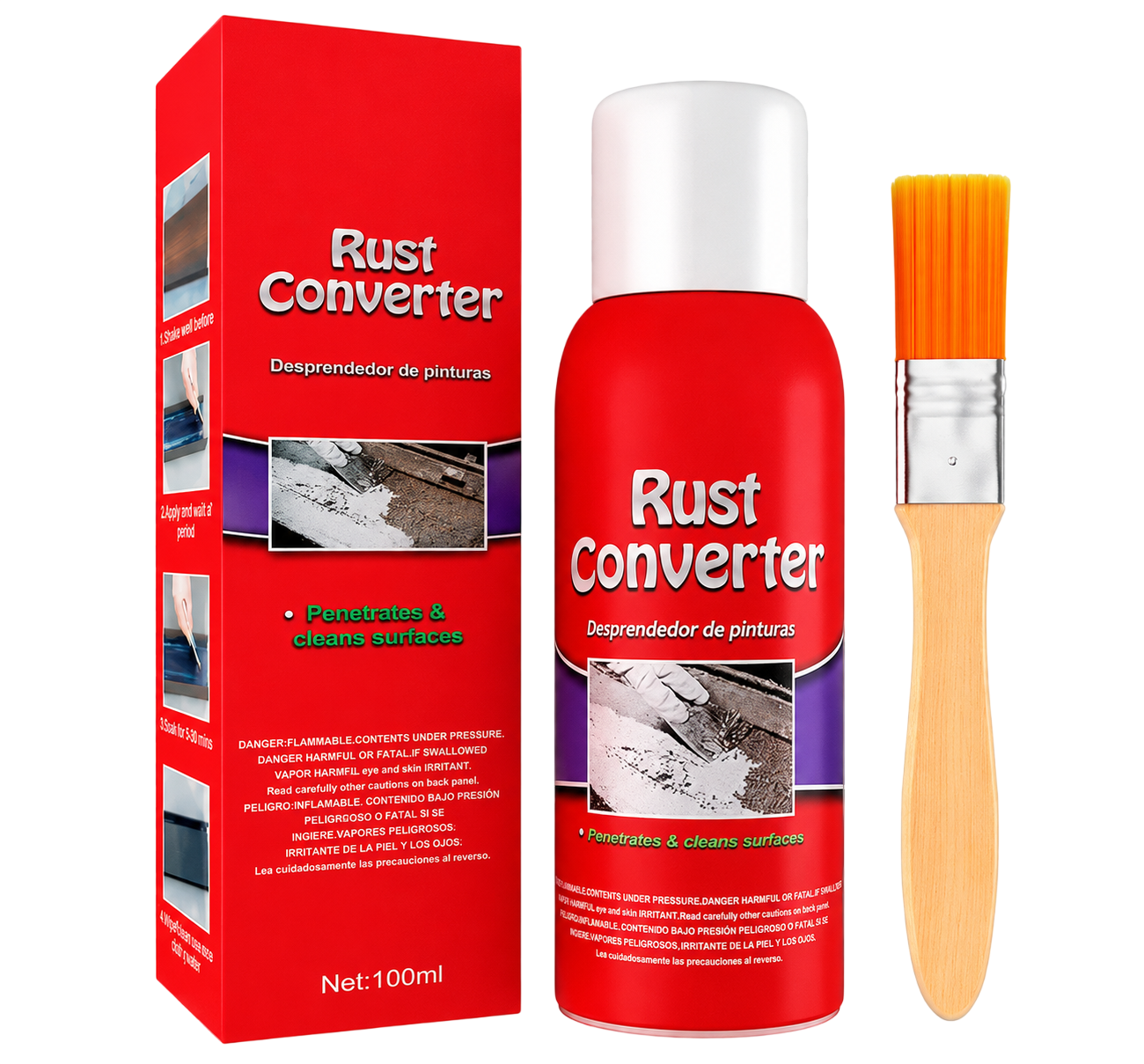
- Rust converter paint: convert and prime in the same coat — AustraliaAustralia: RustGuard™ works as a rust converter and primer in one coat — convert corrosion, then topcoat after 24 hours. Bundles from $24.
- How to choose the best rust converter for your project — AustraliaAustralia: How to judge a rust converter on coverage, cure time, topcoat compatibility and honest limits — plus where RustGuard™ wins and where it does not.
- Rust converter for cars — AustraliaAustralia: Treat surface rust on car sills, wheel arches, floor pans and subframes with RustGuard™ — convert, prime and repaint without blasting.
Last step
Ready to stop the rust?
Tracked delivery Australia-wide, typically 7–14 business days. 30-day money-back guarantee.