- Encrypted paymentSecure, encrypted checkout
- Tracked worldwideFree on 3+ bottle bundles
- 30-day guaranteeMoney-back if it is not for you
- Clear labellingCoverage and results stated honestly
Stock up & save
Choose your RustGuard™ bundle
Listed in USD and billed in USD; your bank converts to CAD at checkout.
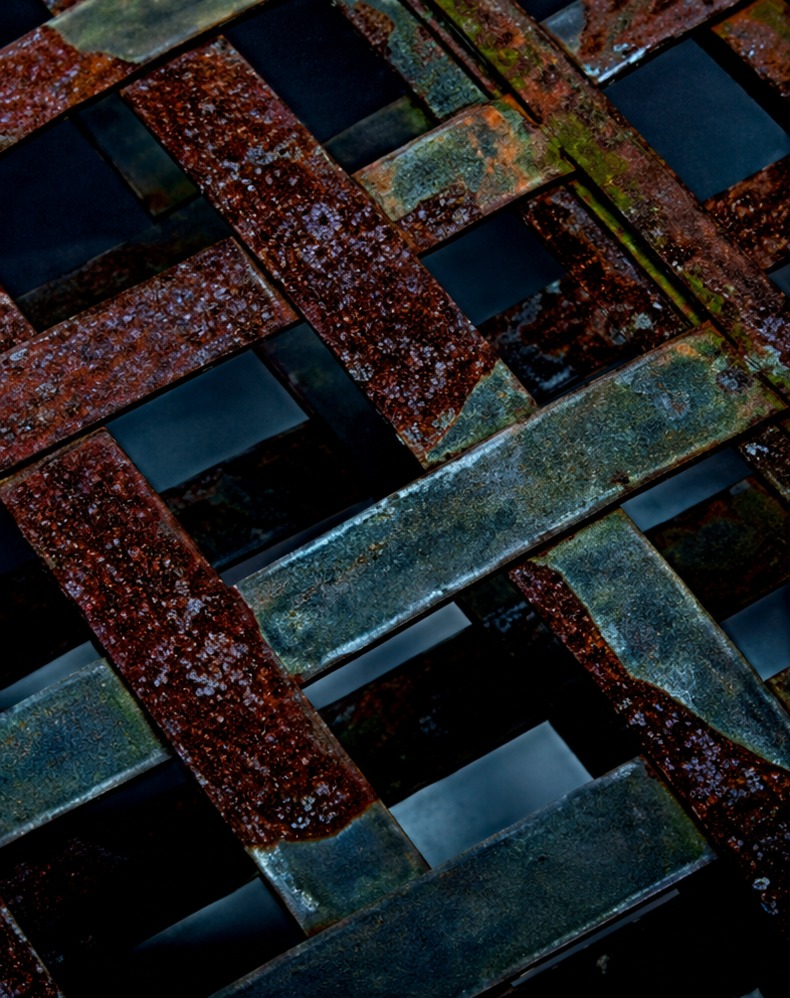
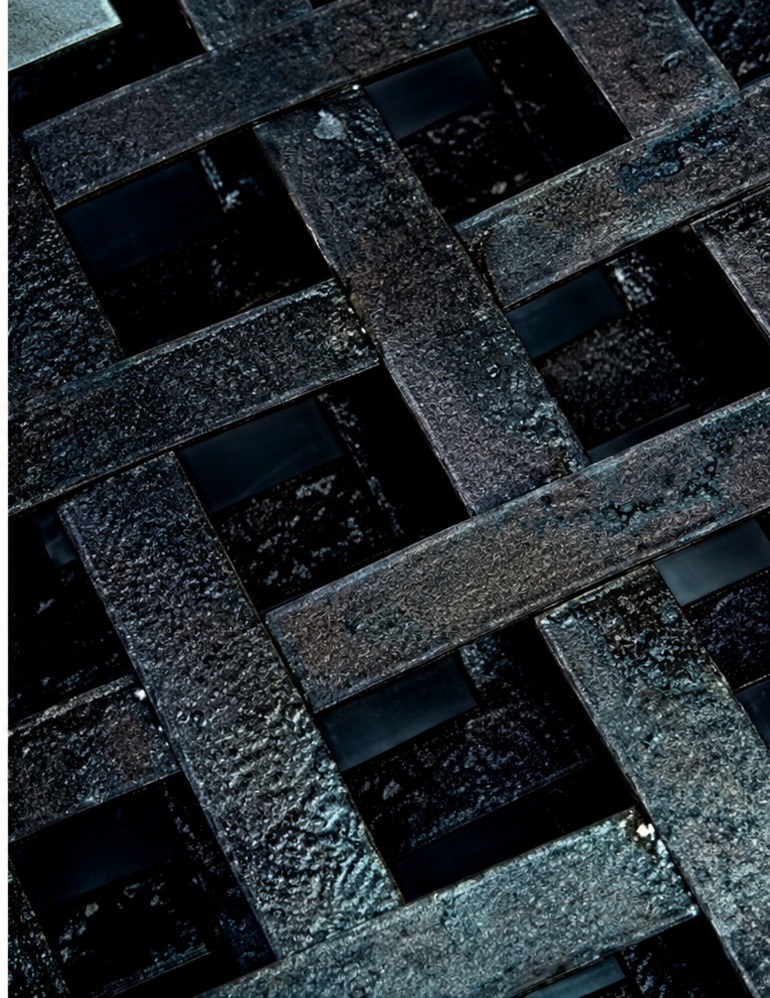
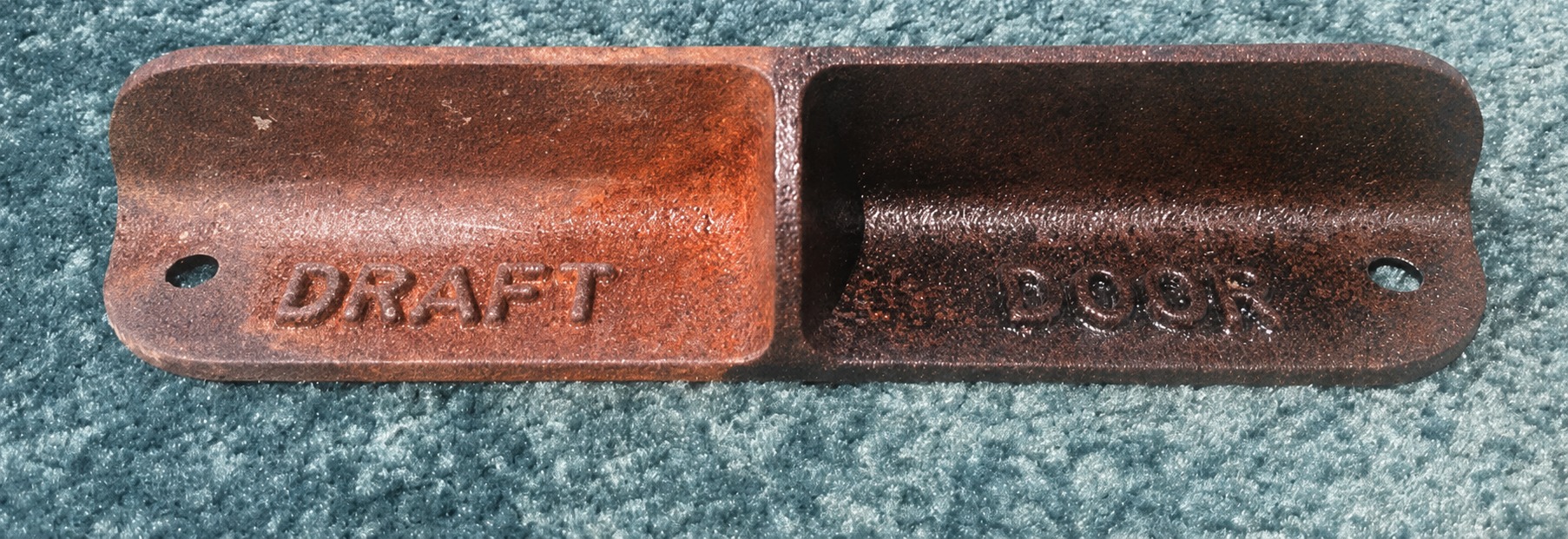
Rusted metal in, paint-ready surface out
Brush RustGuard™ over sound rust, let it cure, then paint. Images are illustrative — results depend on surface condition and preparation.
The short answer
A rust remover dissolves iron oxide and gives you back bare, reactive metal on a clock — flash rust can start within hours. A rust converter changes the oxide into a stable, paintable film and gives you no deadline at all. If you can lift the part into a bucket, remove. If the rust is bolted to something you cannot dismantle, convert.
- Removers suit small parts, tools, fasteners and anything you can submerge
- Converters suit chassis, frames, gates, roofing and structural steel
- Bare metal from a remover must be primed the same day
- On badly weathered metal, the best result is often remover on the worst patches, then converter over everything
What a rust remover does well
Acid-based removers, chelating gels and electrolysis all dissolve iron oxide and leave clean metal behind. That is exactly what you want for small parts you can submerge, for threaded fasteners, for tools you plan to oil, and for any surface that has to be dimensionally clean before machining or welding.
The catch is what happens after. Freshly stripped steel is chemically hungry — humidity alone will bloom a light orange film on it in an afternoon. Removal buys you a clean start and a deadline.
Where removal becomes the harder road
On large or awkward structures — a trailer chassis, a farm gate, guttering, a chassis rail you can only reach from below — removal means grinding, dust control, and priming the whole area before it turns again. On pitted metal, abrasives skate over the high spots and never reach the bottom of the pits, which is precisely where the corrosion continues.
Converting the rust sidesteps both problems. The reaction goes where the rust is, including inside the pitting, and the resulting film is already a primer.
Remover or converter for your job
| Your situation | Better choice | Why |
|---|---|---|
| Small parts, bolts, hand tools | Rust remover / soak | You can submerge them and oil them straight after |
| Trailer or vehicle chassis | RustGuard™ converter | No dust, reaches pitting, primes as it goes |
| Deeply pitted plate steel | RustGuard™ converter | Abrasives cannot reach the pit floors |
| Before welding or machining | Rust remover | The joint or cut needs clean bare metal |
| Painted panel with rust breaking through | RustGuard™ converter | Feather the edge, convert, repaint |
| Perforated, holed metal | Neither — replace or patch | Chemistry cannot restore missing steel |
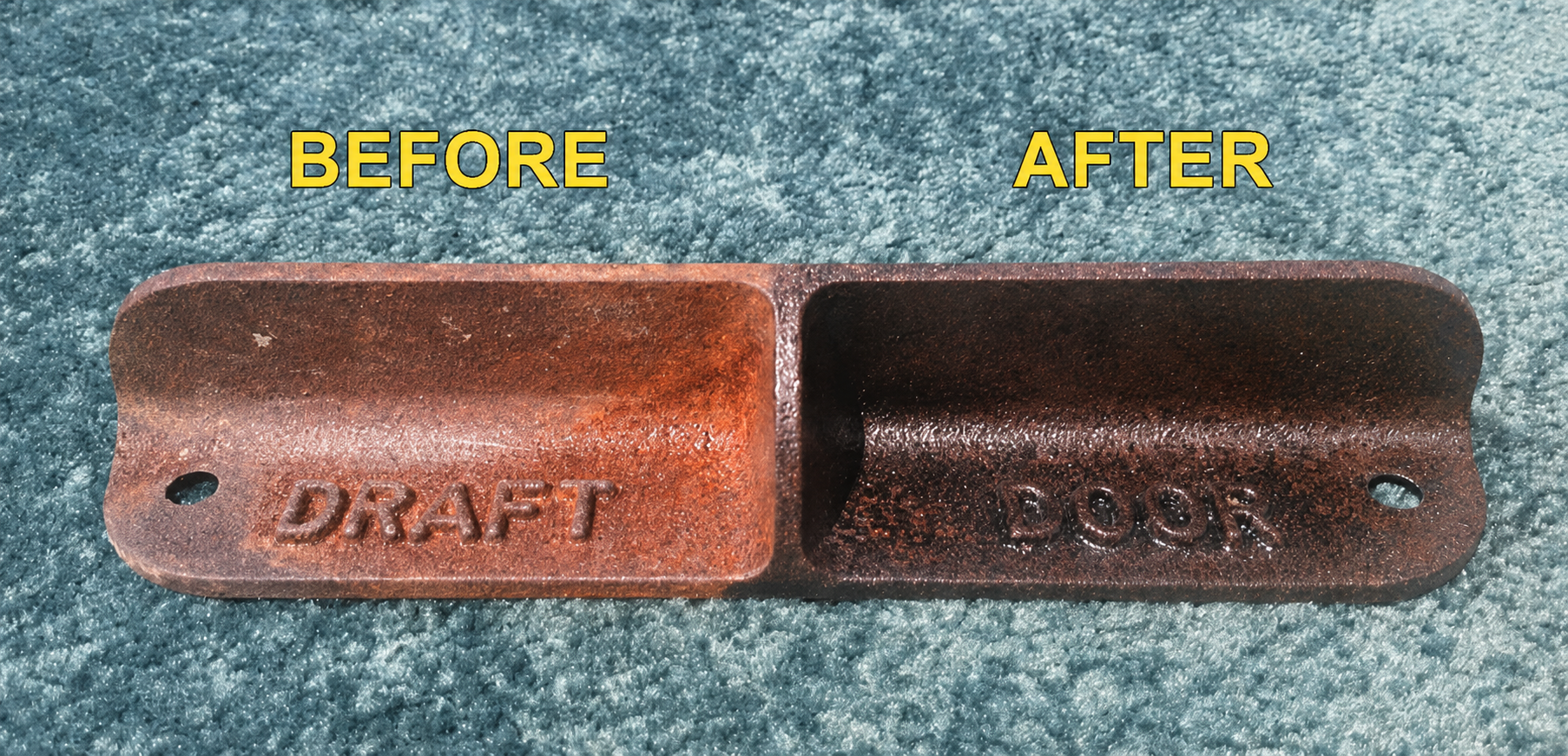
Why customers pick RustGuard™ over a stripper
- One product handles conversion and priming, so there is no gap where flash rust can start
- Brush-on and water-based — no dust extraction, no neutralising rinse
- Works in place on structures you cannot dismantle or dip
- Goes into pitting, weld seams and lap joints that abrasives skip
- Bundle pricing from $24, so a whole-project quantity stays affordable
Work out your quantity
Area
100 sq ft
Bottles needed
3
Recommended bundle
×3 — $42
Based on up to 55 sq ft per bottle on smooth steel, adjusted for surface condition. Estimates only — measure generously.
Why converters win
RustGuard™ vs the old ways
| Method | RustGuard™ | Grinding / sanding | Naval jelly | Paint straight over rust |
|---|---|---|---|---|
| Works on pitted rust you cannot reach | Partly | |||
| No power tools required | ||||
| Leaves a paint-ready surface | After priming | |||
| Stops the treated rust spreading | ||||
| Low dust, low mess | ||||
| Cost for a 100 sq ft panel | From $24 | Discs + hours | $$ | Repaint yearly |
Read the detail: rust converter vs naval jelly · converter vs remover · how to choose one
What buyers say
Rated by people who hate sanding
Saved my truck bed
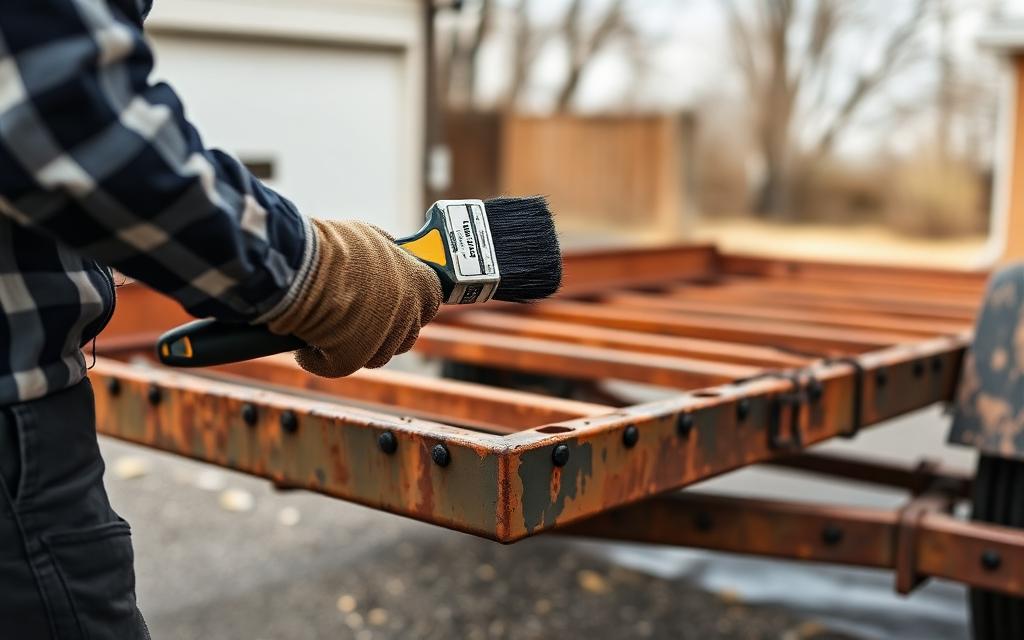
Wire-brushed the loose scale, brushed a coat on and left it overnight. Next morning it was a flat black surface that took primer without fighting me.
Dale R. · Tucson, AZ
No more grinding for hours
I restore gates and railings. This cut my prep time in half on pitted sections where the grinder just polishes the rust around.
Marcus H. · Leeds, UK
Held up through the wet season
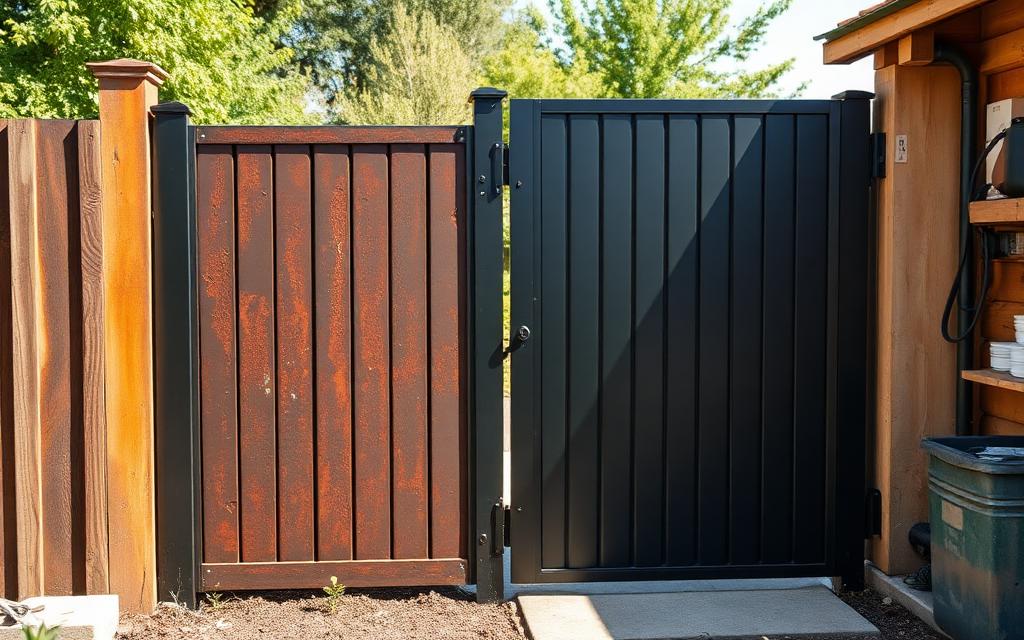
Treated the shed roof sheets and topcoated them. Two seasons of rain later the treated panels still look the way I left them.
Janine K. · Brisbane, AU
Trailer frame looks new
Frame rails were surface-rusted everywhere. Two bottles covered the whole thing with enough left over for the tongue and jack.
Tom V. · Hamilton, ON
Simple to use
Shake, brush, wait. No mixing, no strong acid smell like the jelly products I used before.
Ricardo M. · Houston, TX
Bought the 5-pack, no regrets
Fence posts, patio furniture and a mower deck off one bundle. Ordering the workshop pack was cheaper than buying singles twice.
Ellen S. · Portland, OR
Reviews shown are illustrative sample copy while we collect verified customer feedback.
Buy with confidence
Nothing to lose but the rust
Worldwide shipping
Tracked delivery to the US, UK, Canada, Australia, EU and more. Free on 3-bottle bundles and above.
Encrypted payment
Card details are captured on a secure, encrypted checkout page. We never see or store your card number.
30-day guarantee
If RustGuard™ is not right for your project, contact support within 30 days for a refund of the product price.
No grinder needed
Brush-on chemistry designed for pitted, hard-to-reach rust where abrasives cannot get a bite.
Secure checkout
Order your RustGuard™ bundle
Pick a bundle, tap checkout — that's it. No account, no forms to fight. Your delivery address and payment are collected on the secure checkout page.
Step 1 — Choose your bundle
One bottle covers about 55 sq ft. Treating a whole vehicle, trailer or roof section? Most people need 3 or more.
Free tracked shipping unlocked
Most projects use more than they expect — the ×8 pack drops you to $9.00/bottle (you pay $11.00 now).
Step 2 — Checkout securely
Apple Pay, Google Pay and all major cards are accepted on the secure Shopify checkout — address, payment and confirmation, all in one place.
- 1Tap checkoutYour bundle is reserved in a secure cart.
- 2Pay your wayCard, Apple Pay or Google Pay — under a minute.
- 3Tracked dispatchConfirmation email instantly, packed in 1 business day.
“Ordered the 5-pack, treated the whole trailer frame and still had a bottle spare.”
Tom V. · Hamilton, ON
“Arrived tracked in five days and the brush kit saved me a trip to the store.”
Dale R. · Tucson, AZ
Reviews are illustrative while verified feedback is collected.
The four removal chemistries, and what each one costs you
Acid removers — phosphoric and its relatives — are fast and cheap and leave a light phosphate film that gives you a few extra hours before flash rust. They also attack sound metal if you leave them too long, need a thorough rinse, and will happily etch the concrete they drip onto.
Chelating removers work by grabbing the iron ions rather than dissolving everything, so they are far gentler and effectively cannot over-etch. The trade is time — overnight to several days — and volume, because you need enough liquid to submerge the part.
Electrolysis is the workshop favourite for precision items: a bucket, a sacrificial anode, washing soda and a battery charger, and the oxide leaves the steel without touching the metal beneath. It is slow, it needs power and space, and it only treats what is in the tank. Mechanical removal — grinding, wire wheels, blasting — is the fastest on scale and the worst on pitting, because abrasives ride the high points and polish over the active corrosion in the pit floors.
Which method fits which job
| Job | Best method | Why |
|---|---|---|
| Rusted hand tools, sockets, hinges | Chelating soak or electrolysis | No etching of precision surfaces, no rinse deadline pressure |
| Car chassis, sills, floor pans | Converter | Cannot be submerged, cannot be blasted in place, pitting needs wetting |
| Trailer frame or farm implement | Converter | Huge area, high square footage, rinse water has nowhere to go |
| Cast-iron cookware | Mechanical then oil | No coating wanted; food surface must stay bare and seasoned |
| Fasteners and small brackets | Acid soak | Cheap, fast, easy to rinse and prime immediately |
| Metal roof or long fence run | Converter | Rinsing runoff off a roof is impractical and often not permitted |
| Heavy flaking scale on structural steel | Mechanical first, then converter | Knock off what is loose, then seal the pitting chemistry cannot reach |
Flash rust is the hidden cost of removal
Freshly stripped steel is chemically hungry. In humid air, a visible orange bloom can appear in under two hours, and it will appear under your primer if you are not fast. That is why removal jobs need to be planned backwards from the primer: strip only as much as you can prime the same day.
This is the single biggest reason converter work suits amateurs and weekend projects better. A converted film is already sealed, so if the job stops at three o'clock because it starts raining or the shops close, nothing is lost. Come back next weekend and topcoat then.
It is also why the hybrid approach is so effective on badly weathered metal. Use a remover only where the rust is thick enough to justify it, rinse and dry that area properly, then brush converter across the whole panel. The stripped section gets sealed immediately and the remaining surface rust gets converted, so the entire panel ends up under one continuous film with no flash-rust window at all.
The hybrid method, step by step
- 01
Knock off the loose material
Scraper and wire cup brush. Stop when nothing flakes under a fingernail — you are not chasing shiny steel.
- 02
Treat only the worst patches with remover
Gel or soak on the thickest rust. Follow the product's dwell time; longer is not better.
- 03
Rinse and neutralise thoroughly
Acid residue interferes with conversion later. Rinse, wipe, and let it dry fully — hours, not minutes.
- 04
Degrease the whole panel
Detergent or degreaser everywhere, including the stripped area. Splash-test with water: it should sheet, not bead.
- 05
Brush converter over everything
Stripped patches and remaining surface rust alike. On bare metal the film acts as a primer instead of a converter.
- 06
Cure 24 hours, then topcoat the whole panel
One continuous topcoat film over the lot, so there is no seam between repaired and original areas.
Mistakes that turn a removal job into a re-do
- Stripping more area than you can prime before the end of the day
- Skipping the neutralising rinse after an acid remover
- Using an acid soak on precision or hardened surfaces and losing the fit
- Blasting or grinding pitted steel and assuming the pit floors are clean because the surface looks bright
- Letting rinse water run into chassis cavities, seams or a storm drain
- Priming over metal that is dry to the touch but still damp inside pitting
Honest limits on both routes
- Neither removal nor conversion restores metal that has already thinned or perforated
- Removers need containment, rinsing and disposal — often the deciding factor on a driveway
- Converters need existing rust; on bare metal they act only as a primer
- Neither treats internal cavity rust you cannot wet or submerge
- Neither is appropriate for aluminium, stainless or copper corrosion
- Neither is a substitute for fixing the water ingress that caused the rust
Shipping to Canada
- Tracked delivery coast to coast, typically 5–12 business days.
- Listed in USD and billed in USD; your bank converts to CAD at checkout.
- Free tracked shipping on bundles of 3 bottles and above.
- 30-day money-back guarantee from the date of delivery.
Frequently asked questions
Can I use a remover and then RustGuard™?
Yes, and on badly scaled metal it is a good combination: strip the loose scale, then convert whatever staining and pitting remains before priming.
Is RustGuard™ an acid?
It is a water-based formula that includes a mild acid component to drive the reaction. It is far gentler than a concentrated rust-stripping acid, but you should still wear gloves and eye protection.
Which is cheaper for a big job?
Converting usually wins once you count abrasives, primer, masking and your own hours. A single bottle covers roughly 55 sq ft.
Does it smell?
It has a mild acidic odour that fades as it dries. Work in ventilated space, which you would want anyway.
Is a rust remover better than a rust converter?
Neither is better in general. Removers win on parts you can submerge and prime immediately; converters win on anything structural, large or awkward, and on pitting.
Can I use a converter after a remover?
Yes, and on badly weathered metal it is the best result available. Rinse, neutralise, dry and degrease first, then convert the whole area.
Does vinegar actually remove rust?
Slowly, on light rust, and it needs a thorough rinse and neutralise afterwards. It will also darken some steels and does nothing about pitting depth.
What removes rust without scrubbing?
A chelating soak or electrolysis, if the part fits in a container. Anything bolted to a vehicle or building is converter territory.
How fast does flash rust appear?
In humid air, often within two hours on freshly stripped steel. Plan every removal job around priming the same day.
Which is cheaper for a large area?
Conversion, comfortably. Removers are priced and packaged for small parts, and the labour and rinsing cost scales badly.
Keep reading
- Rust converter for iron and steel that leaves a paint-ready surface — CanadaCanada: Brush RustGuard™ onto rusted iron or steel, convert the corrosion and topcoat in 24 hours. Bundles from $24, free shipping on 3+.
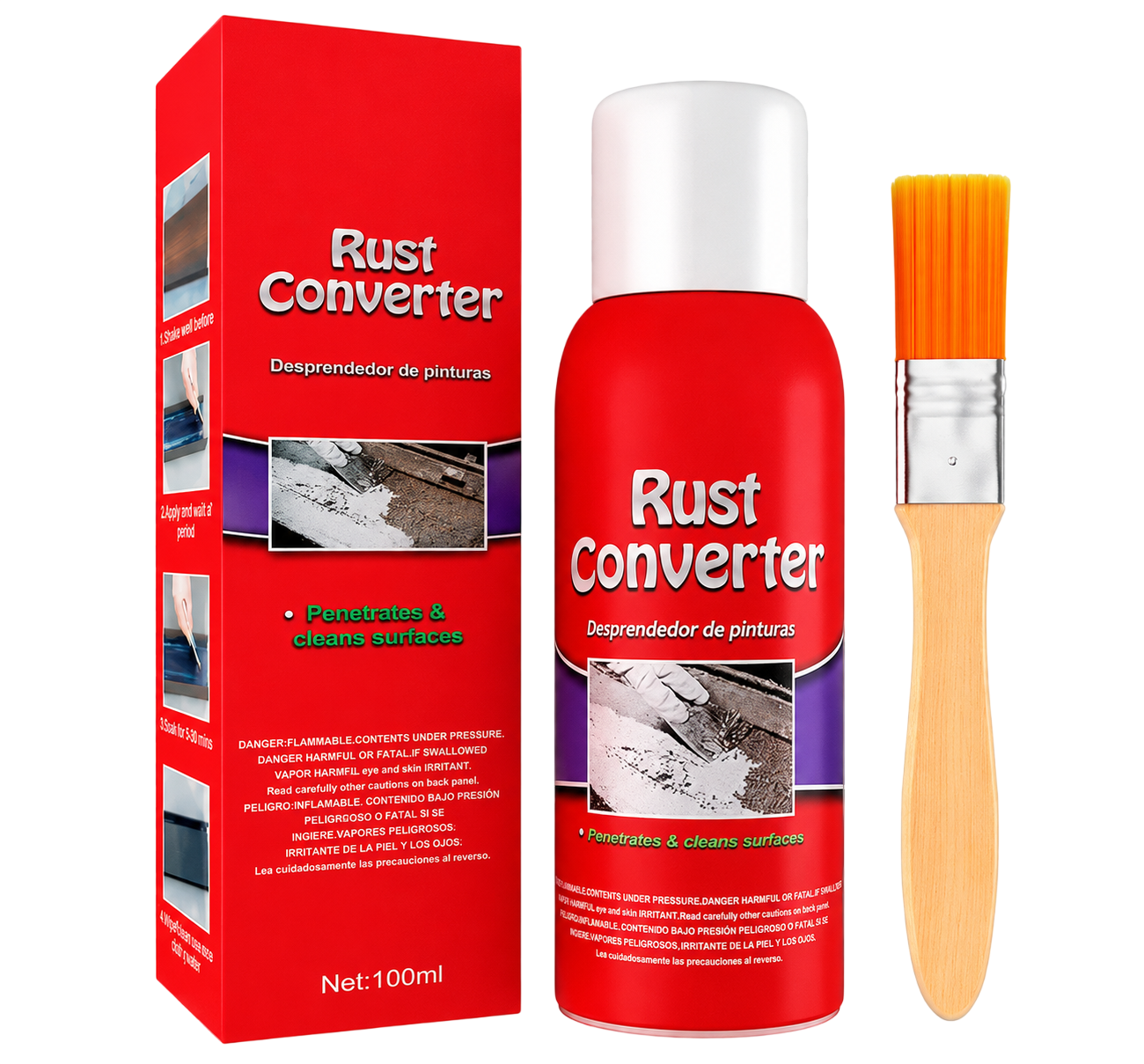
- Rust converter vs rust remover: which one your job needs — CanadaCanada: Side-by-side comparison of rust converters and rust removers: chemistry, effort, cost, flash rust risk, and which to use on your job.
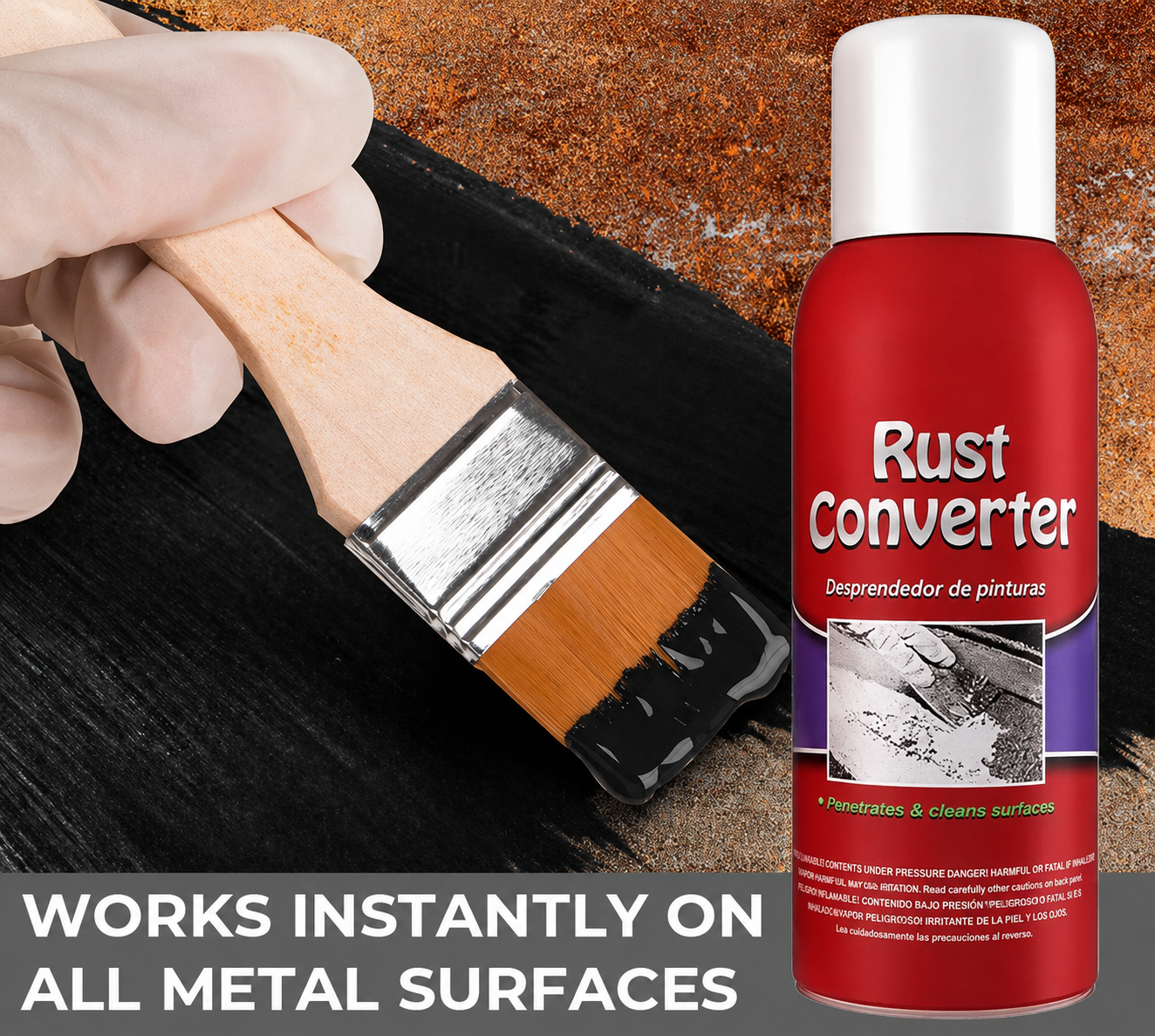
- How to remove rust from metal — CanadaCanada: Abrasives, acids, electrolysis, chelation and conversion — what each rust removal method costs in time and effort, and when each one is the right call
- Rust converter vs naval jelly — CanadaCanada: Naval jelly strips rust with phosphoric acid; a rust converter seals it under a primer. Compare cleanup, flash rust and best use cases.
- Does rust converter actually work? — CanadaCanada: What a rust converter genuinely does, where it outperforms sanding, and the four situations where it will not help at all.
Last step
Ready to stop the rust?
Tracked delivery coast to coast, typically 5–12 business days. 30-day money-back guarantee.